
On 14 August 2026 the UK government announced a £65 million funding boost to support English farmers facing the 2026 drought.
What the £65 million package contains
The press release on GOV.UK states that the money will be used to:
- Provide water to crops where supplies have run dry,
- Keep livestock fed in areas where grass has failed, and
- Maintain environmental payments for farms that are under drought stress.
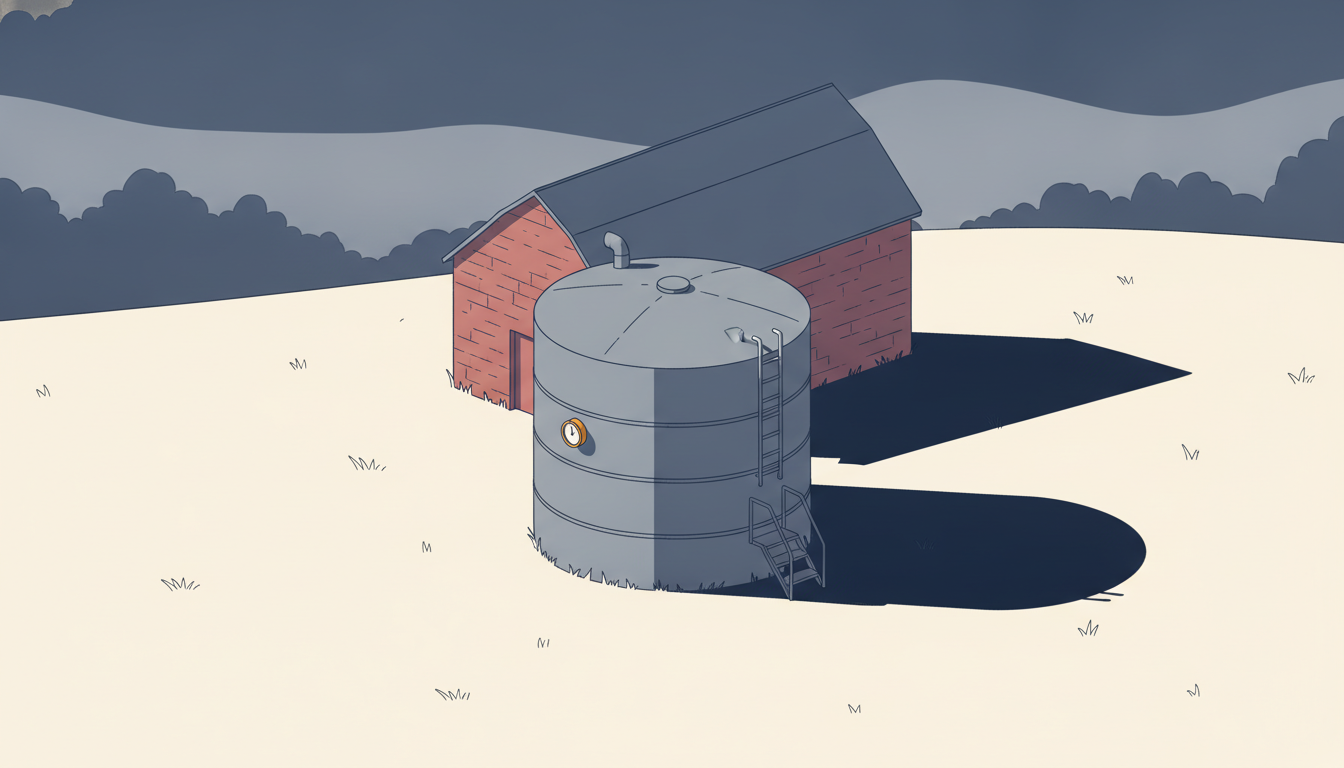
- Help farmers build on‑farm water‑storage facilities to improve resilience to future dry summers.
All of these measures are described as part of a "cross‑government response" announced after what officials called the driest July on record in England and Wales.
Political backdrop and timeline
The funding boost was unveiled after a COBR (Cabinet Office Briefing Room) meeting that focused on extreme heat, wildfires and drought. The meeting, held on the same day as the announcement, signalled that the government sees the drought as a national emergency requiring coordinated action.
According to the same GOV.UK release, the Prime Minister said farmers should not have to shoulder the risk of a changing climate alone. The announcement therefore sits within a broader climate‑risk strategy that the government has been developing over the past year.
Why the funding matters now
England has experienced a prolonged spell of dry weather throughout the summer of 2026. While the press release does not quantify the exact loss of yields, it notes that the drought has already forced many farms to seek emergency water supplies and to supplement livestock feed.
Industry observers have warned that without additional water‑storage capacity, farms could face severe cash‑flow problems when rainfall fails to return to normal levels. The £65 million allocation is intended to bridge that gap, allowing farmers to invest in on‑site reservoirs, water‑troughs and other infrastructure that can be filled during wetter periods and used when the taps run dry.
Analysis of the funding scale
£65 million may sound modest compared with the total annual budget for agriculture, but it represents a targeted injection aimed at the most immediate drought‑related costs. The figure is a new allocation – it was not part of the previous year’s Rural Payments Programme – and it is earmarked specifically for English farms, not for Scotland, Wales or Northern Ireland.
To put the amount in perspective, the Rural Payments Agency reported that the average environmental payment to a single English farm in 2025 was around £2,000. If the £65 million were spread evenly across all eligible farms (approximately 150,000 farms in England), each would receive roughly £433. While this per‑farm figure is small, the funding is not intended as a blanket grant; it is meant to subsidise capital projects such as water‑storage tanks, which have a high upfront cost but can deliver long‑term savings.
Who will receive the money and how it will be administered
The press release does not list a specific agency responsible for disbursing the funds, but it refers to the "cross‑government response" and the existing Rural Payments Agency framework. It is therefore likely that the money will be allocated through existing grant mechanisms, with applications judged on criteria such as projected water‑storage capacity, the severity of drought impact on the farm and the ability of the project to protect livestock and crops.
Farmers are urged to submit proposals as soon as possible; the announcement did not give a final deadline, but the urgency implied by the COBR meeting suggests that the first round of grants could be awarded within weeks of the 14 August announcement.
What remains unknown
The press release does not disclose how the £65 million figure was calculated, nor does it compare the allocation with previous drought‑relief spending. It also does not confirm whether the funding will be sufficient to cover the full cost of on‑farm water‑storage projects, many of which can run into the hundreds of thousands of pounds per installation.
Another gap in the public record is the claim that this is the "third drought in five years". The GOV.UK source does not mention the frequency of droughts, and the research packet itself flags that statement as unverified. Consequently, we cannot confirm that the 2026 event is the third such episode without additional meteorological data.
Potential impact on the agricultural sector
If the funding is deployed quickly, it could mitigate the immediate cash‑flow pressures on farms that have had to purchase emergency water or supplemental feed. By enabling on‑farm storage, the scheme may also reduce reliance on expensive water‑truck deliveries, which can cost up to £0.30 per litre during peak demand.
Longer‑term, the investment in water‑storage infrastructure could make English farms more resilient to future dry spells, aligning with the government's broader climate‑adaptation goals. However, the scale of the investment means that only a fraction of the most vulnerable farms will be able to benefit in the short term.
Next steps and what to watch for
Stakeholders will be watching for the detailed guidance that the Rural Payments Agency is expected to publish in the coming weeks. That guidance should outline eligibility criteria, application procedures and the timeline for fund disbursement.
In parallel, the Department for Environment, Food & Rural Affairs (DEFRA) is likely to release a post‑drought review, assessing the effectiveness of the £65 million boost and recommending any further measures needed to safeguard the agricultural sector.
For now, the announcement marks the most significant direct financial response to the 2026 drought since the summer began, and it provides a concrete, if limited, lifeline to English farmers struggling with water scarcity.
| Item | Value | Unit | Period | Source |
|---|---|---|---|---|
| Funding boost | 65 | million GBP | 2026 (announced August 14) | GOV.UK – PM: Farmers should not carry the risk of a changing climate alone |