

You are about to be charged £0.00






Prime Minister Andy Burnham is set to intervene to stop water companies from imposing 'surge pricing' on households during periods of drought, following Britain’s hottest summer on record.
The intervention comes amid proposals that could allow suppliers to raise water prices during the summer months or when customers' usage exceeds set limits.
The plans have prompted concerns that families could be financially penalised when water supplies are under the greatest pressure.
Ofwat, the water regulator, had been planning to permit suppliers to incorporate variable pricing linked to water scarcity into household bills from April, according to reports in The Telegraph.
A Downing Street spokesman said: "The Prime Minister has been clear that customers cannot be treated as a blank cheque, and we will always challenge water companies where they seek to pass unnecessary costs onto households."
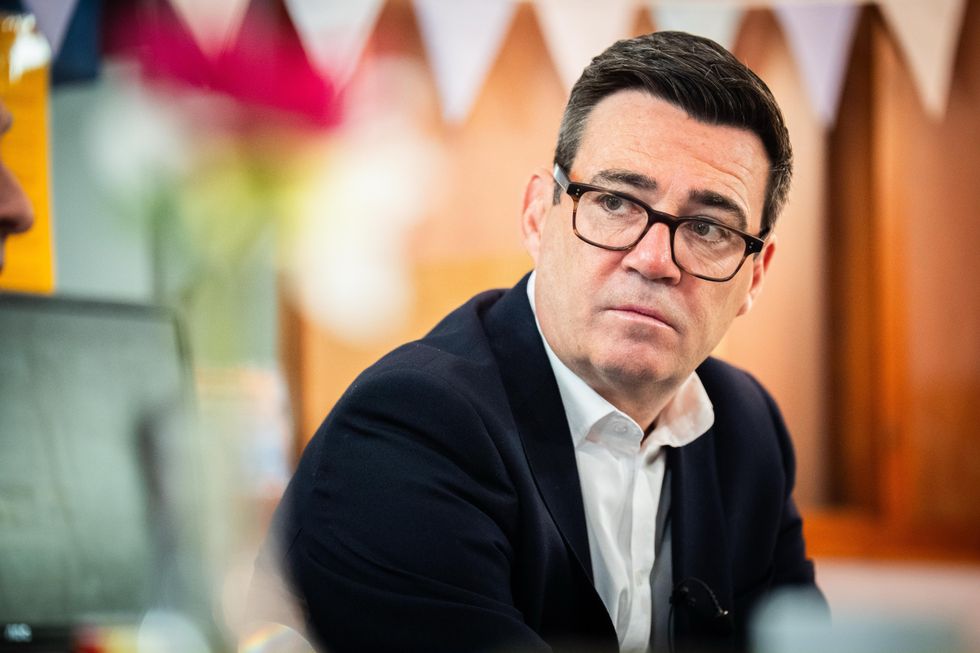
Andy Burnham set to block water companies from introducing surge pricing
| PAThe intervention comes as roughly three-quarters of the country is under drought conditions, with hosepipe restrictions affecting 27 million people and wildfires burning across several regions.
Any revised charging arrangements would need to demonstrate they made bills "fairer and more affordable while encouraging efficiency," Downing Street added.
Small-scale trials of alternative tariff structures are already under way in parts of England. The biggest of these covers approximately 14,000 Anglian Water customers in Lincoln and Norwich.
Households participating in that trial have faced summer charges rising to £4.39 per cubic metre between May and August, compared with a standard rate of £2.69.
During the remaining months, the price drops to £1.78 per cubic metre. Vulnerable and lower-income customers have been kept out of the scheme.
Ofwat launched a consultation in June proposing to give suppliers greater latitude in structuring their charges.
Seasonal tariffs would allow firms to set higher rates in summer and lower ones in winter, while rising block tariffs would see prices escalate once consumption exceeded set thresholds.
Although no company has yet formally committed to rolling out variable pricing nationwide, suppliers told the regulator that existing rules were holding them back from doing so.
Water UK, the industry's trade body, has pushed back firmly against the characterisation of these trials as drought-related surge pricing.
The organisation stated that no supplier has proposed raising costs specifically during droughts and that no such plans exist within the trial programmes running through to 2030.
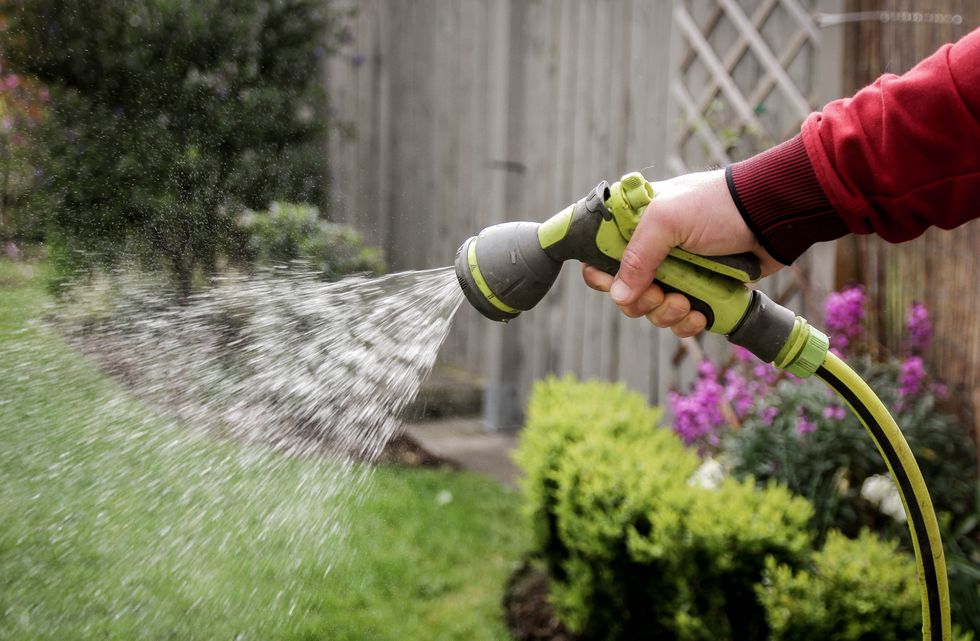 Millions of Britons are under a temporary hosepipe ban until conditions alleviate | GETTY
LATEST DEVELOPMENTS
The trade body emphasised that all trials must remain revenue-neutral, where some customers end up paying more, others must see their charges fall, keeping total company income unchanged.
Water UK highlighted Affinity Water's WaterSave scheme as evidence the approach can benefit consumers.
Under that trial, participants received 82 litres of water free daily, with elevated charges only applying beyond that allowance. Three-quarters of those taking part reduced their bills, cutting average daily usage by 34 litres.
Participation in all current trials is voluntary, with additional safeguards for vulnerable customers, including those with medical needs requiring higher water use.
Conservative Party chairman Kevin Hollinrake accused the government of double standards over the issue.
He told The Telegraph: "Labour ministers have repeatedly told Parliament that they support water companies imposing even higher water bills on family homes with gardens."
Mr Hollinrake argued that metered customers already pay more when they consume more water, describing seasonal and progressive tariffs as "punitive" and "yet another Burnham attack on Middle England, on top of existing plans to hike bills."
Planning minister Matthew Pennycook sought to shut down the row during an appearance on LBC. He said: "There's no plans for surge pricing in relation to water bills. The Prime Minister has been really clear on this. He's angry, as I am, and I think many of your listeners will be."
Pennycook pointed to rising bills, record pollution incidents and persistent leakage as evidence the sector needed fundamental reform.
England and Wales face a looming water supply gap projected to exceed five billion litres per day by 2050, according to Water UK.
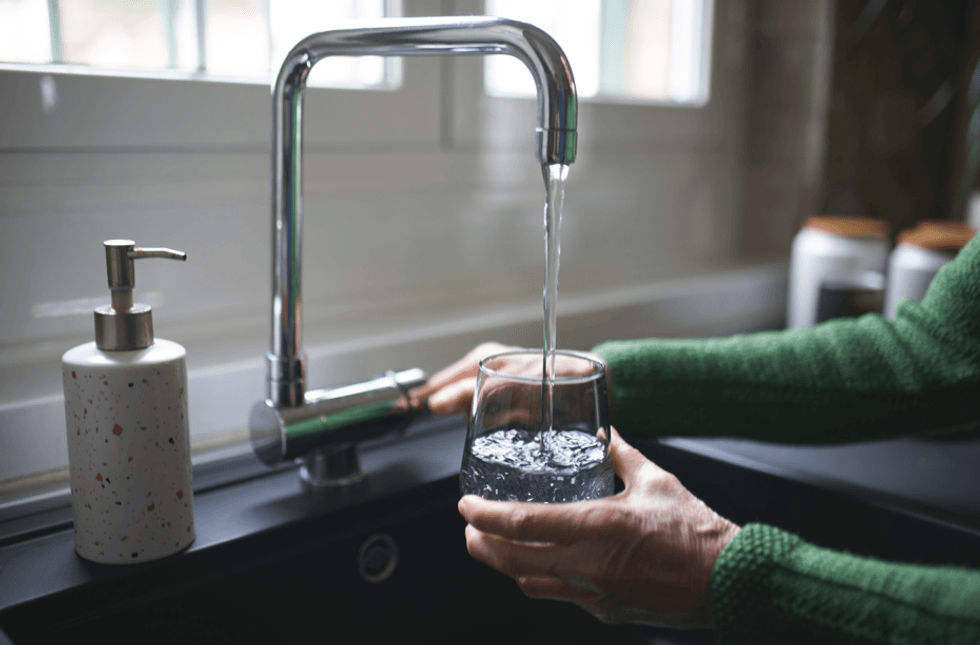
England and Wales face a looming water supply gap projected to exceed five billion litres per day by 2050, according to Water UK
| GETTY IMAGESThe trade body argued that curbing demand would be critical to bridging that deficit, even in a scenario where every leak was fixed and the full reservoir construction programme was delivered on schedule.
Ministers have set a target of reducing average individual water consumption from approximately 136.5 litres per day to 122 litres by 2038.
Water UK said that widespread changes to how customers are charged would also hinge on the broader deployment of smart meters across the network.
The organisation maintained that tackling the projected shortfall would require action on three fronts simultaneously: cutting household demand, investing in new water infrastructure, and driving down leakage rates.