


EastEnders has decided to employ a writer who actively campaigns for migration and racial justice causes, raising questions about potential conflicts of interest at the BBC.
Ade Lamuye, who works for BBC Studios, has been developing storylines for the flagship soap opera since 2022.
During her tenure, the programme has broadcast plots featuring immigrant characters facing exploitation and racist violence.
According to The Telegraph, this represents the first documented instance of narrative change campaigners holding pro-migrant positions while working within Britain's national broadcaster.
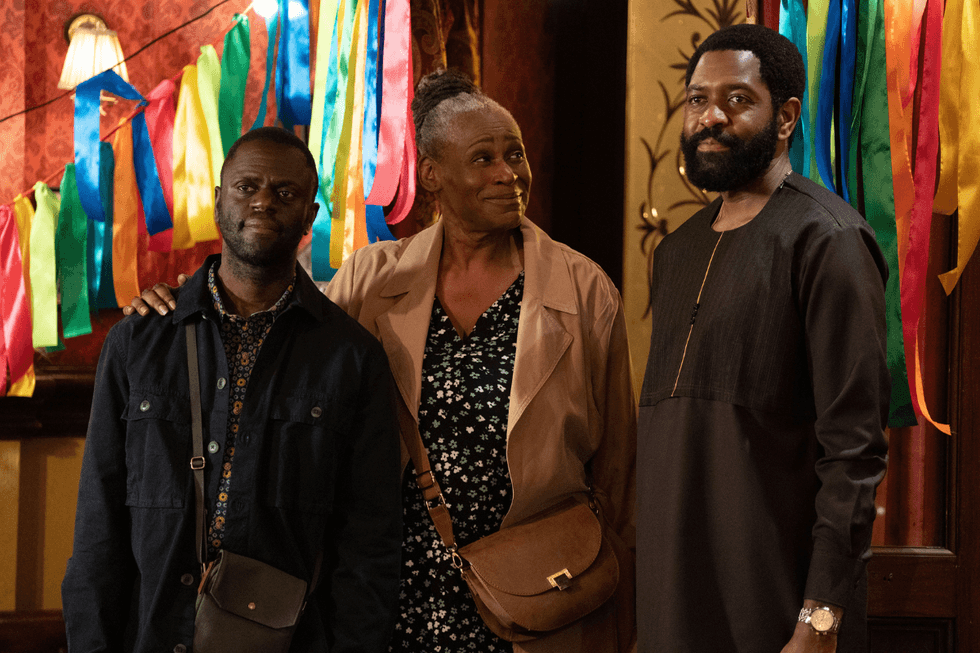
Recent EastEnders storylines have featured migrant characters facing exploitation and racist violence
|BBC
The BBC maintains policies on conflicts of interest within its editorial guidelines.
Beyond her BBC role, Ms Lamuye has served on an advisory board overseeing the Power of Pop Fund since early 2024.
This initiative, launched by Comic Relief, has channelled close to £5million towards organisations that seek to reshape public discourse on migration through media influence.
The writer has openly acknowledged her involvement with the fund in online posts.

Ade Lamuye has worked on EastEnders since 2022 while also serving on initiatives promoting 'migration and racial justice'
|She has stated that "entertainment and media holds influence and power to make real change".
Ms Lamuye has additionally worked as a facilitator for Media Movers, a migration messaging initiative operated by the charity Heard.
This organisation has itself received funding from the Power of Pop scheme.
The Telegraph reported that recent EastEnders storylines have addressed immigration themes directly.
LATEST DEVELOPMENTS
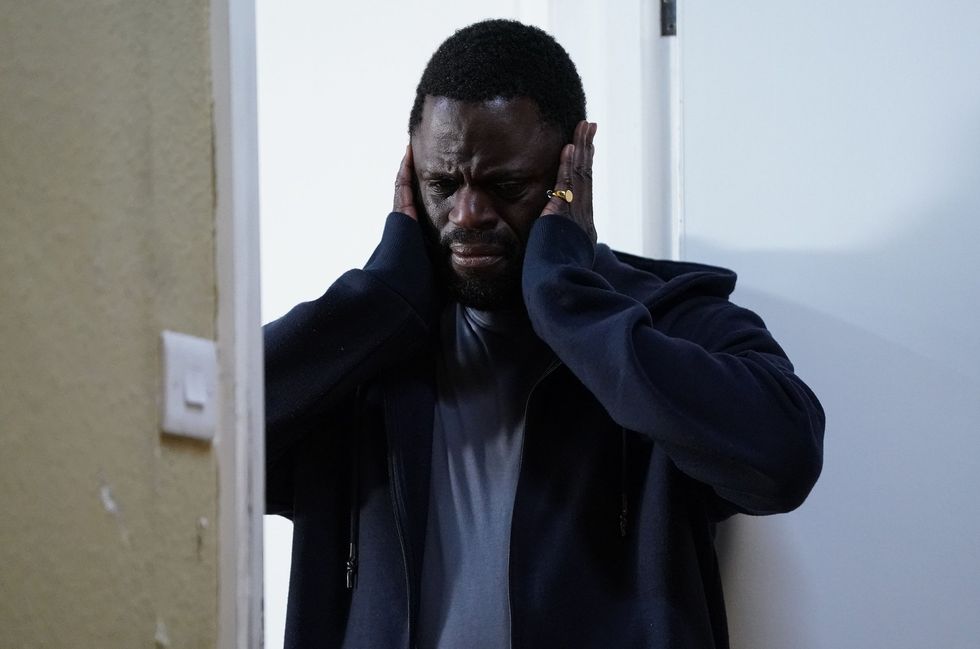
The BBC soap has featured characters such as Kojo Asare, an autistic Ghanaian migrant whose storyline explored prejudice and exploitation
|BBC
One prominent plot follows Kojo Asare, an autistic Ghanaian migrant portrayed by actor Dayo Koleosho, who suffers a violent assault in Walford before falling victim to drug dealers who exploit his vulnerability.
Another narrative arc involves the character George Knight, played by Colin Salmon, who learns his father was a Ghanaian immigrant killed in a racially motivated murder.
Before joining EastEnders, Lamuye created storylines for Channel 4's Hollyoaks whilst simultaneously collaborating with narrative change campaigners.
Her professional history is documented across videos, blogs and her LinkedIn profile.
The Telegraph claims the case is the first documented instance of a pro-migrant narrative change campaigner working within Britain's national broadcaster
|BBC
A BBC spokesman defended the broadcaster's practices, stating: "The BBC has full editorial control over all its content."
The spokesman added that engaging with charities for research purposes is standard industry practice, while emphasising the corporation maintains strict guidelines ensuring impartiality and editorial independence.
The Telegraph's investigation forms part of wider reporting on narrative change campaigns affecting British television.
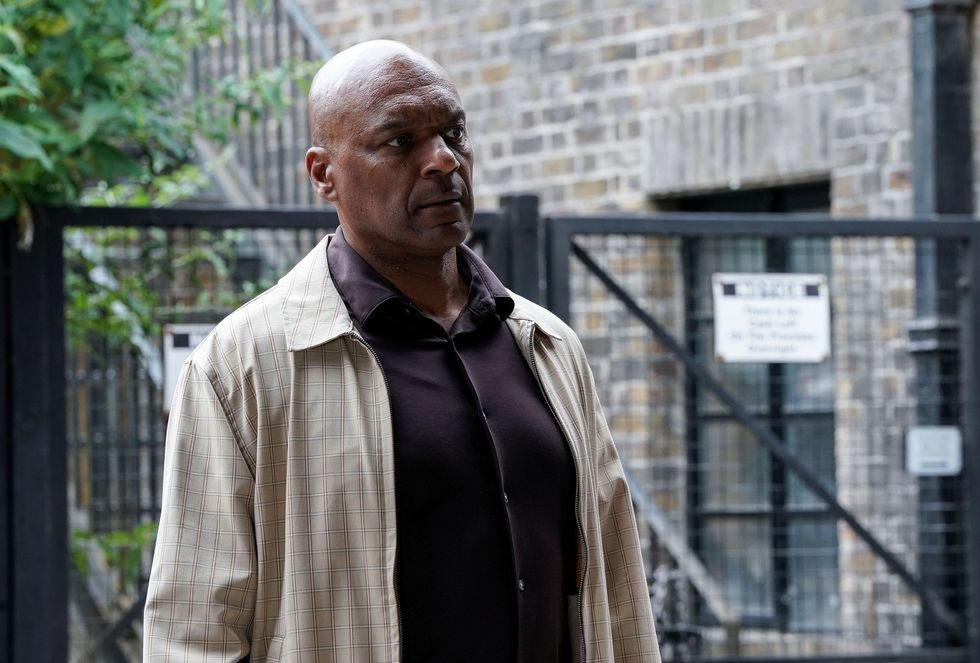
The BBC said it maintains full editorial control over its content and has strict guidelines to ensure impartiality
|BBC
Campaigners have also influenced the creation of a sympathetic asylum seeker character in ITV's Coronation Street.
The charity Imix, which receives National Lottery and Comic Relief support, arranged for two small-boat migrants to appear on Question Time last December, with its chief executive describing the programme as an opportunity to test messaging directly.
A BBC spokesperson told GB News: "The BBC has full editorial control over all its content. It is common practice across the media industry to engage with charities, among others, for research purposes and to help understand different perspectives when working on programmes or news stories.
"However, the BBC has strict guidelines to ensure impartiality and editorial independence."