



Sharon D Clarke will take on the role of Othello in a pioneering Royal Shakespeare Company production that recasts the tragic military commander as a black lesbian.
The Stratford-upon-Avon theatre company announced the interpretation, which places the story in a dystopian future where climate change threatens civilisation and a black lesbian woman occupies a position of authority.
Ms Clarke becomes the first performer to portray the Moor of Venice through this particular lens, with the RSC promising an exploration of "shattered passion, revenge and psychological warfare" in the upcoming staging.
Monique Touko will direct the production, which runs from February to April next year.
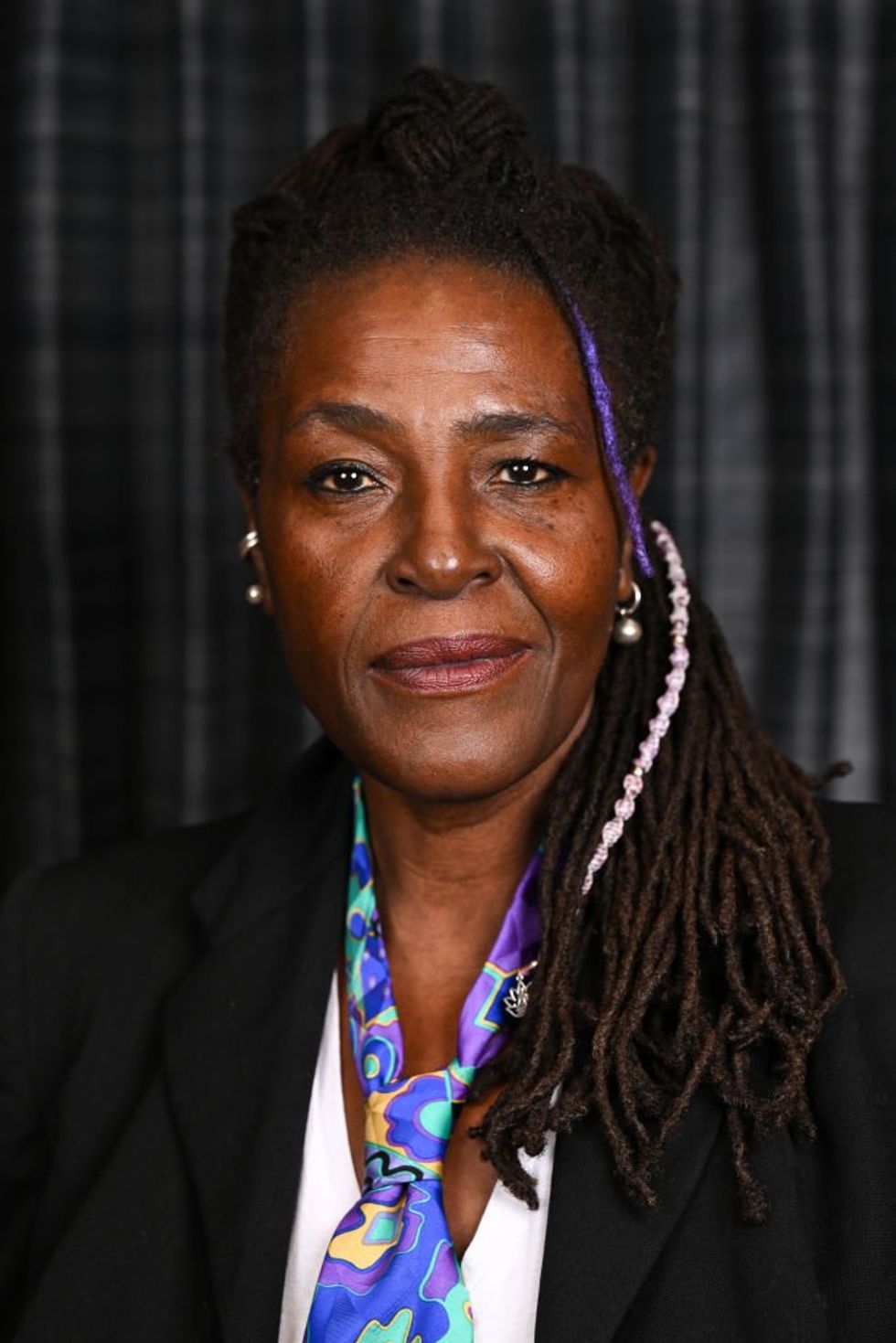
Sharon D Clarke will play Othello in the Royal Shakespeare Company's radical new production
|GETTY
Her interpretation examines Shakespeare's four-century-old tragedy through the concept of misogynoir, a term describing prejudice that combines anti-black racism with sexism, targeting black women specifically.
The RSC describes the staging as one where "an unsanctioned marriage perilously crosses boundaries of race, sex and status, allowing jealousy, suspicion and malign intent to close in".
In the original play, the Moorish general secretly weds Desdemona, a Venetian noblewoman, before his scheming subordinate Iago manipulates him into suspecting her of infidelity, with devastating consequences.
The production adds to Othello's rich history of landmark casting decisions.
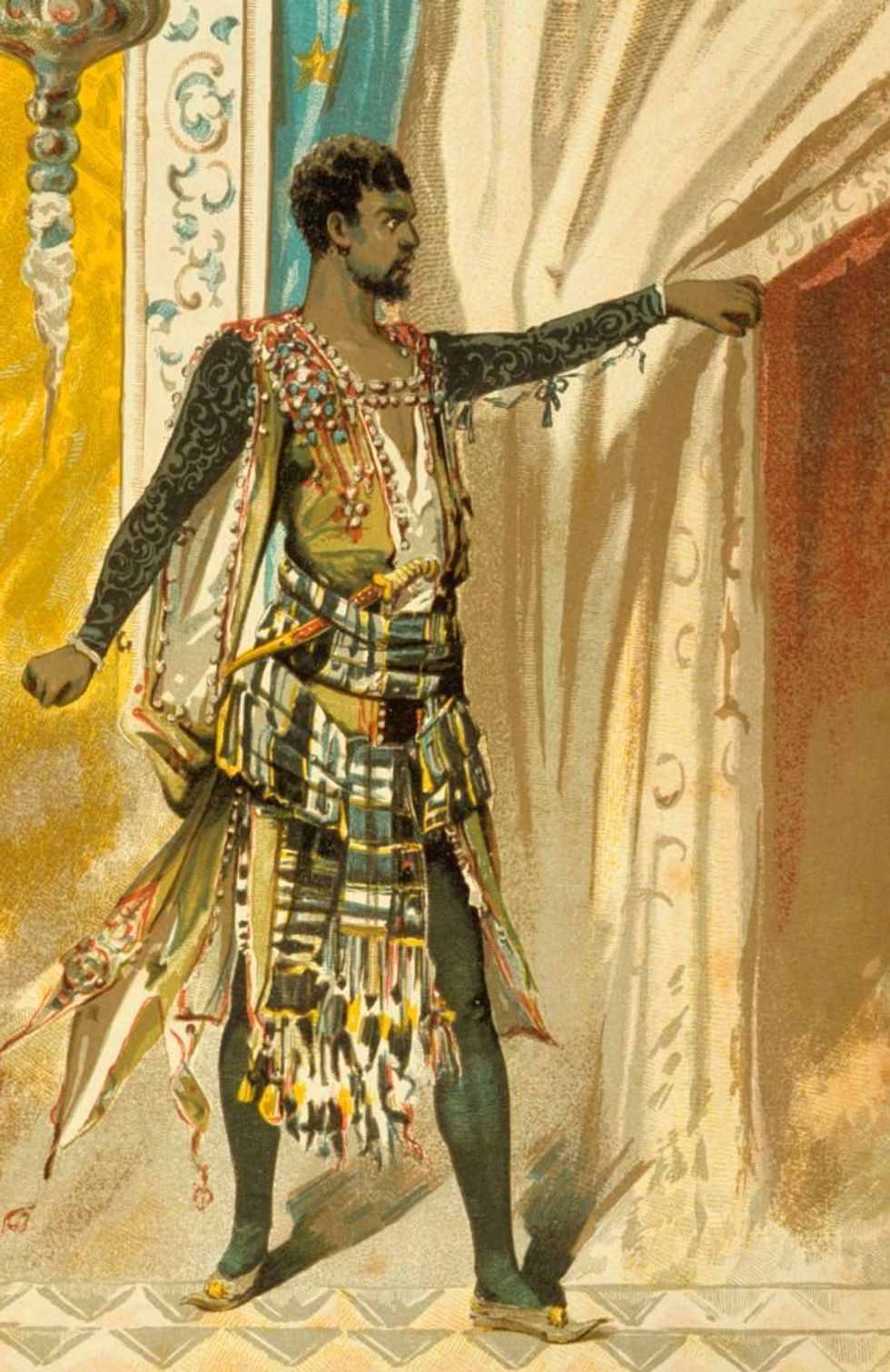
Black actors have played Othello since Ira Aldridge made history in London in 1825
|GETTY
Richard Burbage originated the title role as part of the King's Men, Shakespeare's own company, while Margaret Hughes made theatrical history in 1660 as the first woman recorded performing on the English stage when she appeared as Desdemona.
The first Black actor to play the role on the London stage was Ira Aldridge in 1825, a landmark performance that helped pave the way for generations of performers, despite calls for boycotts.
Since then, the title role has been played by acclaimed actors including Paul Robeson, whose 1943 Broadway production became one of the longest-running Shakespeare plays in the theatre's history, James Earl Jones, David Harewood, who became the first Black actor to play Othello at London's National Theatre in 1997, Laurence Fishburne, Chiwetel Ejiofor, Wendell Pierce and Hugh Quarshie.
For centuries, particularly between the 17th century and the mid-20th century, Othello was frequently portrayed by white actors wearing dark make-up in a practice known as blackface.
LATEST DEVELOPMENTS:
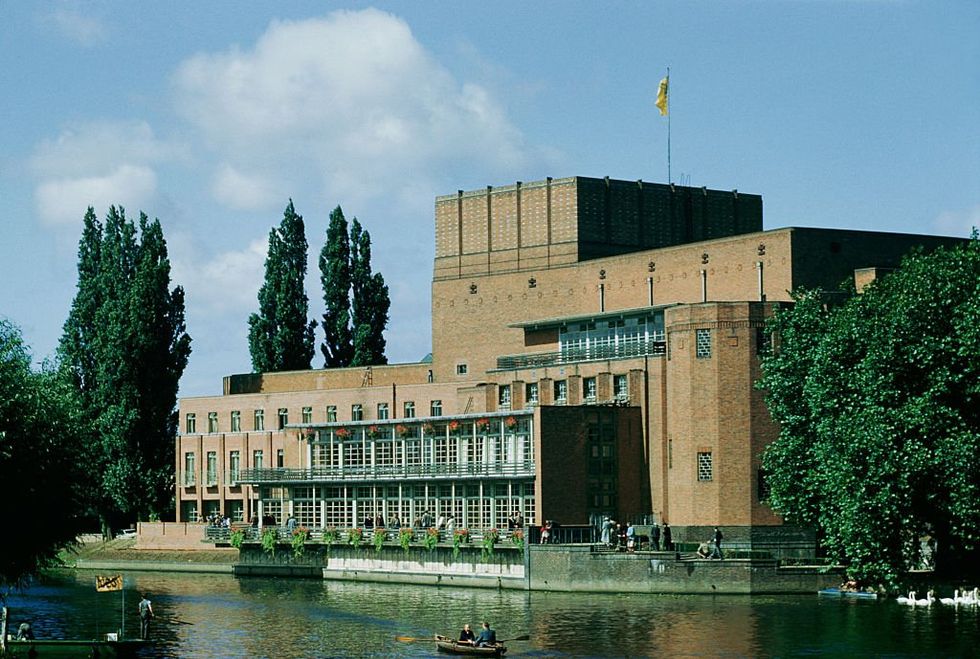
The Royal Shakespeare Company's reimagining of Othello has already sparked debate ahead of its premiere
|GETTY
Today, however, it is standard practice for the role to be authentically cast with a Black actor, making the Royal Shakespeare Company's latest production notable not because Othello is Black, but because the character has been reimagined as a Black lesbian in a dystopian future shaped by climate change.
Ms Clarke has established herself as a West End stalwart, with credits including We Will Rock You and Ghost the Musical, alongside television roles as Lola Griffin in Holby City and Grace O'Brien in Doctor Who.
The actress has previously spoken candidly about the racism she experienced throughout her life and career.
Born in London to Jamaican parents who arrived as part of the Windrush generation, she has recalled witnessing signs reading "No Blacks, No Irish" as a child and being subjected to racist abuse from a young age.
The three-time Olivier Award winner has also criticised the lack of opportunities for Black performers in British television, revealing she was repeatedly typecast as a nurse early in her career before refusing to audition for such roles.
She later broke barriers by playing consultant Dr Lola Griffin in Holby City and became British television's first Black female lead detective in Ellis.
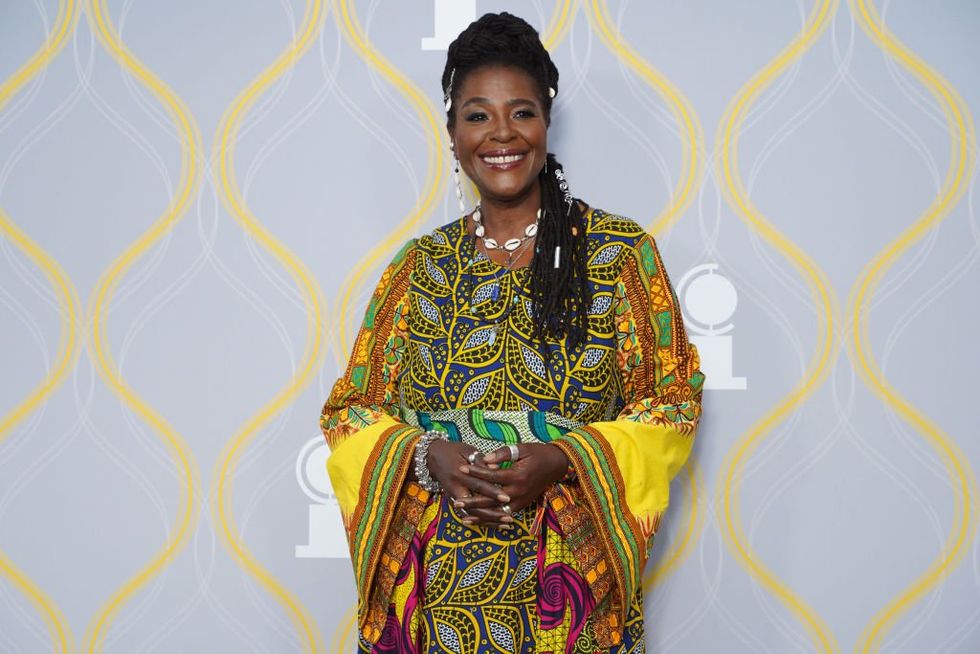
The new adaptation places Shakespeare's tragedy in a future shaped by climate change
|GETTY
Ms Clarke has also been outspoken on institutional racism, arguing that her own experiences and those of her family demonstrate that discrimination remains a reality in Britain.
Speaking to The Guardian, she criticised past claims that there was no institutional racism within policing, saying: "We have the marks and the scars and the funerals to show that it exists."