



France has confirmed its first case of Ebola after a doctor tested positive after returning from Africa.
The doctor, who has now contracted the disease, returned from a humanitarian trip from the Democratic Republic of Congo (DRC).
They are now being isolated and the authorities are taking measures to contact trace anyone who came into contact with the doctor, the French health ministry has said.
The ministry added the risk to the general European population was low.
A US citizen was treated for Ebola in Germany earlier this month and was later discharged after no virus was detected in them.
This wave of Ebola was confirmed by the DRC and Uganda on May 15.
However, experts believe the disease was circulating for months before it was officially declared last month.
Early cases were identified in urban areas and further infections have been reported in densely populated displacement camps.
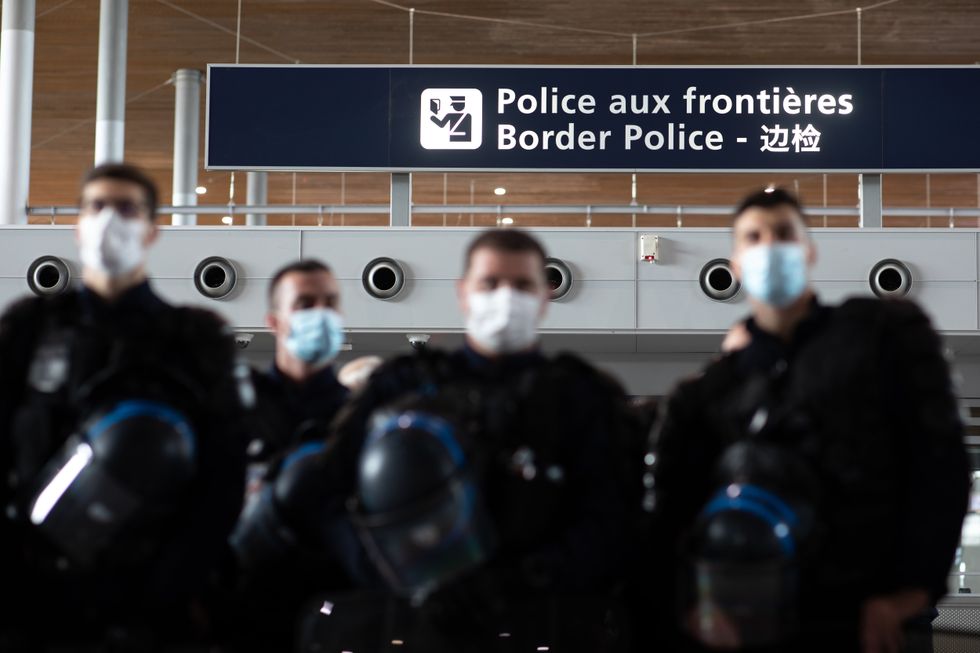
The doctor returned to France from a humanitarian trip to the Democratic Republic of Congo
|GETTY
The outbreak has recorded more confirmed cases within its first month than any previous wave of the disease, the World Health Organisation (WHO) has said.
Dr Abdirahman Mahamud, director of Health Emergency Alert and Response Operations at the WHO said the outbreak is more aggressive this time due to cases in populated areas, such as Bunia and the mining town of Mongbwalu, both in the north east of DRC.
He said, after returning from Bunia last week: "What is important is we need to scale up and this outbreak is moving faster than us."
More than 1,000 people have been infected, with 277 dying from the disease so far.
LATEST DEVELOPMENTS
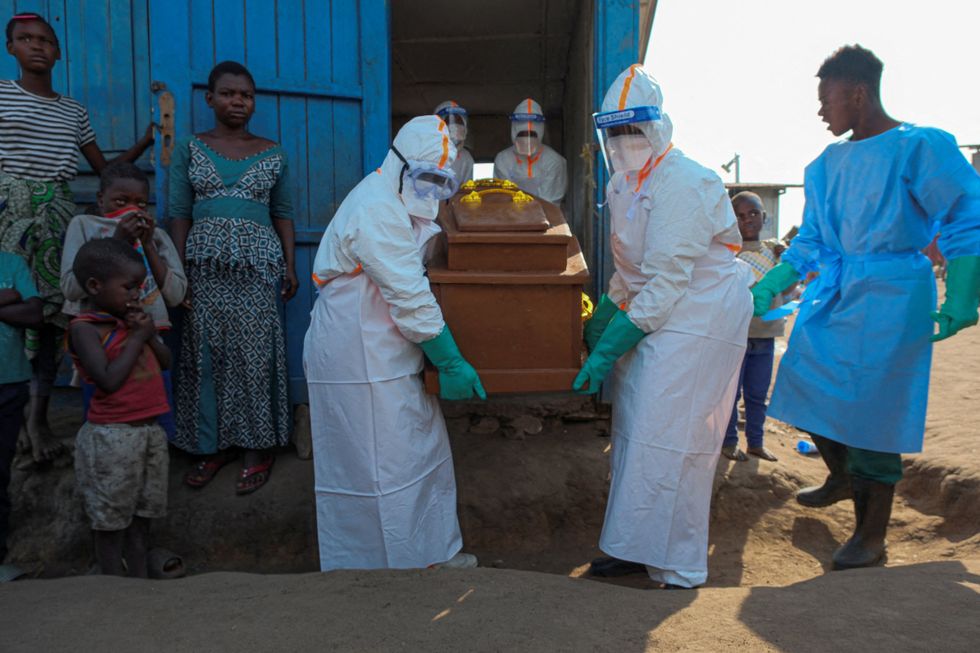
Health workers in the Congo carry a coffin of a suspected ebola victim from a makeshift morgue
|REUTERS
The wave involves the Bundibugyo strain of the virus, which has no vaccine or specific treatment.
The outbreak in Africa is unfolding in difficult conditions, the WHO has said, with underlying humanitarian crises complicating the response.
Ebola is a rare, but severe disease which often ends in fatality.
It was first identified near the Ebola River in 1976 in what is now the DRC.
The disease is spread through direct contact with the blood, bodily fluids or organs of infected people or animals - it is not transmitted through the air, water or food.
Symptoms appear between two and 21 days after exposure and include sudden fever, intense weakness, muscle pain, headache and a sore throat.
If the case develops, it can cause vomiting, diarrhoea, a rash and in severe cases internal and external bleeding.
The two largest cases of Ebola happened in west Africa, in Guinea, Sierra Leone and Liberia between 2014 and 2016, followed by a wave in Congo in 2018.
More than 11,000 died between 2014 to 2016 from the Zaire strain of Ebola, which is considered the most lethal.
The average fatality rate is around 50 per cent, though this varies greatly between 25 to 90 per cent, due to the particular strain involved, as well as the speed and quality of the medical response.