





Nutritionists and doctors have long championed oats for their cholesterol-lowering powers — thanks to the superstar nutrient beta-glucan.
Earlier this year, researchers at the University of Bonn confirmed just how powerful the ingredient can be, recording measurable drops in blood lipids after just 48 hours on a diet of nothing but oatmeal.
The research, published in Nature Communications, found patients who followed the brief but intensive dietary intervention shed weight, saw their LDL levels fall by a tenth, and experienced improvements in both gut health and blood pressure.
What is more, the gains had not disappeared six weeks after the two-day regime ended. This points to a simple approach for tackling metabolic syndrome – namely, high blood sugar, high cholesterol and high blood pressure – that affects close to a third of the world's population.
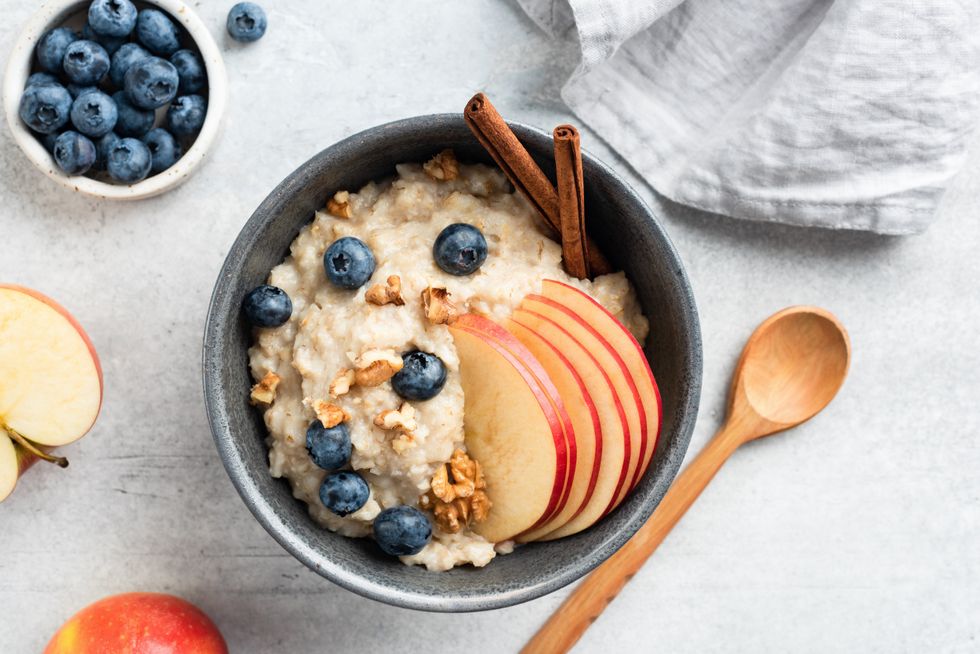
Oats are rich in fibre, vitamins, and minerals
|GETTY
The German research conducted their study on 17 adults with metabolic syndrome, who were placed on a strict two-day regimen of 300g of oatmeal a day, cooked in water rather than milk.
Participants were permitted to add fruit or vegetables as toppings but nothing else.
A separate cohort of 17 individuals followed a markedly different protocol, incorporating 80g of oats into their regular meals each day over six weeks.
The contrast between the two groups proved noteworthy, as the longer, more moderate strategy turned out to be considerably less effective, indicating that the health gains were driven by the short, concentrated oat-only phase.
All 34 participants suffered from metabolic syndrome, placing them at heightened risk of type 2 diabetes and cardiovascular disease.
LATEST DEVELOPMENTS
Those who endured the austere 48-hour porridge diet lost approximately 2kg each, while their levels of LDL — the so-called "bad" cholesterol — dropped by an average of 10 per cent.
Blood pressure readings also improved, as did markers of gut health.
Interestingly, when researchers checked back six weeks on, the benefits remained clearly measurable.
By comparison, the group that had simply stirred oats into their everyday meals over a longer timeframe saw far more modest outcomes.
This suggests a brief but rigorous dietary reset appears to deliver results that a gentler, drawn-out approach cannot match.
Oats, the researchers noted, are rich in fibre, vitamins, minerals and anti-inflammatory plant compounds known as polyphenols, making them especially well suited to addressing metabolic dysfunction.
During digestion, gut microbes break down food and release compounds into the bloodstream, some beneficial and others harmful.
In participants who followed the intensive two-day regimen, gut bacteria appeared to generate greater quantities of ferulic acid, a substance previously associated with cholesterol reduction.
And those whose ferulic acid levels rose most sharply were also the individuals who achieved the greatest reductions in both total and LDL cholesterol.
The scientists concluded this interplay between oats and intestinal bacteria could make a short-term porridge diet a cheap, sustainable and effective weapon against metabolic syndrome.
The condition, which encompasses excess body weight, raised blood sugar, high blood pressure and elevated cholesterol, affects nearly one in three people worldwide and is closely linked to poor gut health.
Sarah Fancourt, lead nutritionist at Gousto, offered further insight into why oats pack such a punch.
"Beta-glucan works by slowing down digestion, stabilising blood sugar and helping lower cholesterol levels by reducing their absorption," she told GB News.
She recommended consuming roughly 3g of beta-glucan daily from sources such as oats and barley, although she cautioned barley contains gluten and may not suit everyone.
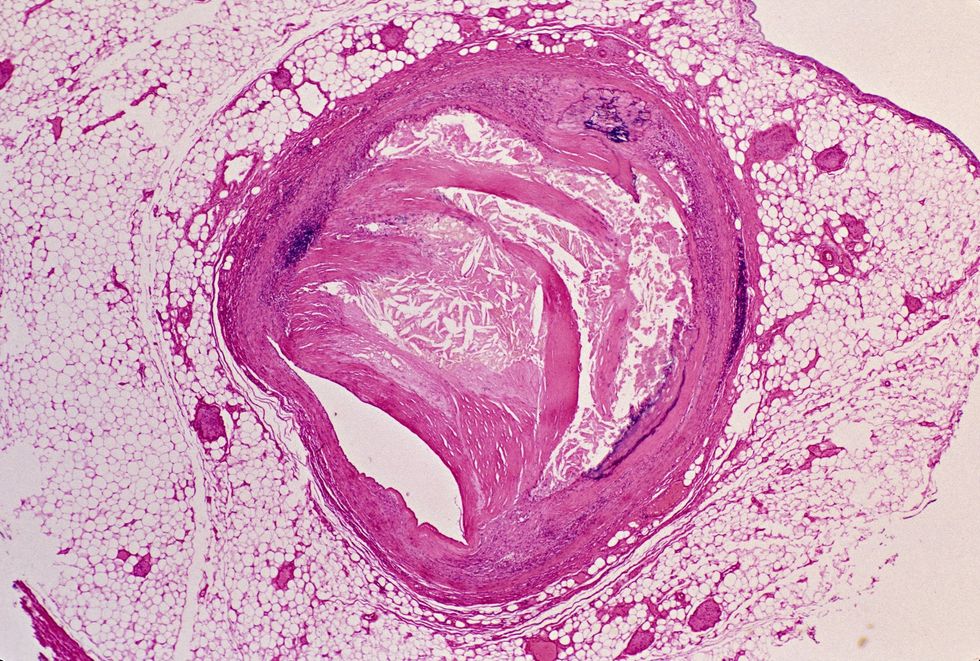
Meaningful cholesterol improvements hinge on consistent dietary choices.
|GETTY
Fancourt stressed meaningful cholesterol improvements often hinge on modest, consistent dietary choices.
"Including more soluble fibre in meals is a great place to start. If you're eating more fibre, you also need to drink more water," she explained.
"Pairing these foods with plenty of fruit, vegetables and healthy fats, such as olive oil or avocado, can also support overall heart health."