Nearly half of maternity deaths are linked to communication failures, a study has shown
A coroner has ordered an overhaul of National Health Service communication after missing emails were linked to the death of a young mother.
The warning comes as the first nationwide study of maternal deaths investigated by coroners found communication failures have repeatedly been linked to maternity deaths over the past decade, raising fears vital lessons are still not being learned
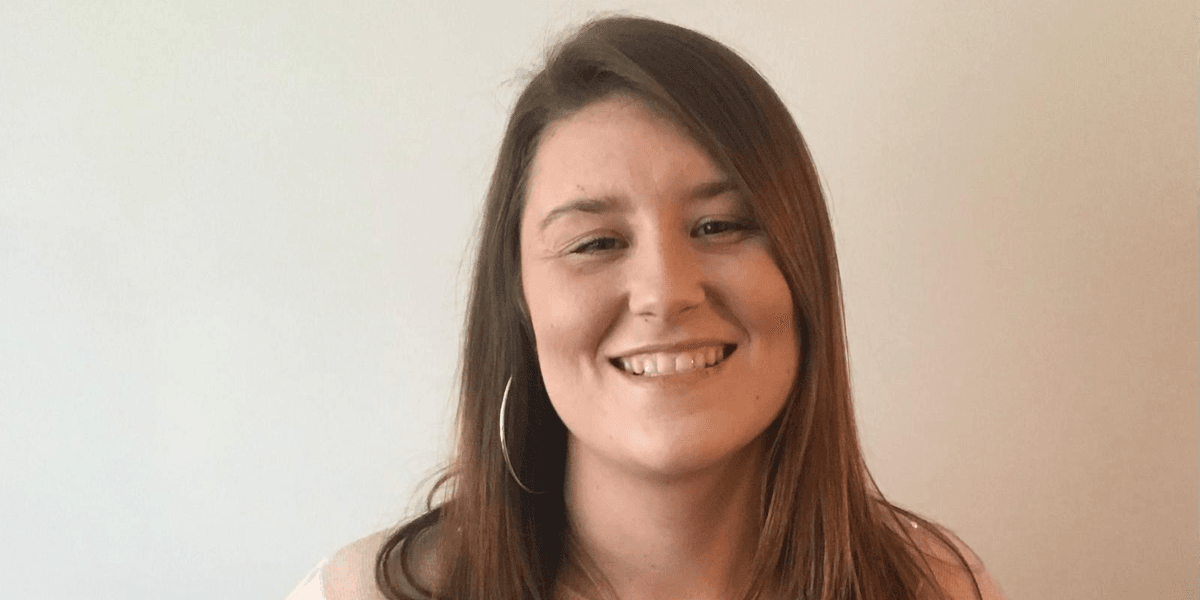
Gemma Robins, 30, from Brighton, died 48 days after giving birth to daughter Meadow after developing a rare pregnancy complication of liver failure, which triggered multi-organ failure and sepsis. Following a five-day inquest earlier this month, Senior Coroner Penelope Schofield issued two Prevention of Future Death reports, warning that unless changes are made similar failures could happen again.
Her report focused on communication between Brighton's Royal Sussex County Hospital and a specialist unit at Royal Surrey County Hospital, where Gemma was due to be transferred for expert treatment. The inquest heard vital advice on the procedure Gemma needed before she could safely be transferred was sent by email from the Royal Surrey Hospital to Brighton clinicians.
However, the consultant in Brighton who was responsible for her care later told the inquest he had never seen the email. The evidence also revealed confusion over what information had been shared between the hospitals and when.
According to Gemma's family, the recommended procedure was only carried out hours later after the Guildford specialist, expecting Gemma to have already arrived, telephoned Brighton asking why she had not been transferred. The coroner concluded there were "clearly issues around communication between the acute hospitals and the tertiary centres" and highlighted the fact clinicians from different hospitals gave conflicting evidence about what had been communicated.
Although she could not conclude communication delays led to Gemma's death, she warned the system's reliance on emails, telephone calls and multiple specialist teams created an ongoing risk to future patients and ordered both trusts to demonstrate how they will improve contact. The findings closely mirror a study published in BMJ, which examined every maternal Prevention of Future Death report issued by coroners in England and Wales between 2013 and 2023.
Dr Georgia Richards, a researcher at Kings College London, and director of the Preventable Deaths Tracker, found communication failures occurred in 42 percent of coroners' concerns. Examples included ambulance crews failing to convey to emergency departments that women were pregnant, maternity teams not being warned critically ill mothers were arriving, poor correspondence between GPs, A&E departments and obstetric units, and failures to coordinate care between maternity and psychiatric services.
The research concluded that communication failures continue to recur alongside delays in escalating treatment and failures to provide appropriate care, despite repeated warnings from coroners. It also found only 38 per cent of Prevention of Future Death reports had a published response from organisations receiving them, raising concerns that important patient safety lessons are too often not acted upon.
Gemma was admitted to hospital on April 25, 2024, severely unwell and vomiting constantly. She was so unwell she could not give birth naturally and her baby, Meadow, now two, was delivered that day by C-section.
She was awake for just ten days and put into two induced comas but never regained consciousness after the second. She had developed deadly acute fatty liver of pregnancy - a rare condition which was also suffered by Shadow Energy Secretary Claire Coutinho at the birth of her baby Rafael in January last year.
Gemma's mother, Liza Robins, a 49-year-old mother of two, from Portslade, Brighton, said her daughter repeatedly tried to tell staff something was seriously wrong. "They all say now Gemma was a very poorly girl," she said. "We know that. She kept trying to tell people."
She believes the communication failures exposed by the inquest should never have happened. "It was an absolutely ludicrous situation," she said. "They're sending emails to people who had nothing to do with what was going on and these people weren't passing the information on... This is where the mistakes were made."
The inquest also uncovered missed opportunities before Gemma was admitted to hospital. Two days before she was rushed to A&E, she attended an antenatal appointment where she had a high blood pressure reading.
The coroner found staff failed to follow guidance and repeat the check, did not carry out a mandatory urine test and failed to provide appropriate safety netting advice before sending her home. Hours later, after vomiting continuously for 24 hours, Gemma telephoned her mother. "But she had just been told everything was okay," Liza recalled. "She phoned me and said, 'Mum, I just feel so ill.'"
Liza believes her daughter had been made to feel she was worrying unnecessarily, saying: "She'd just been told practically everything's fine, Gemma. Don't you worry about anything. This will all be over when you've had the baby. I think she was made to feel like she was making a fuss."
The coroner found blood tests carried out after the missed blood pressure and urine checks may have revealed abnormal liver function and prompted earlier admission. However, she concluded it could not be established that earlier intervention would not necessarily have prevented Gemma's death.
Meadow, now two, was delivered by emergency caesarean while critically ill. Born blue and initially unresponsive, doctors feared she had suffered brain damage and at one stage discussed withdrawing treatment.
Against the odds she survived and Gemma was later able to hold her daughter before deteriorating again. Liza and her husband Paul, 64 are now taking a civil case against Brighton's Royal Sussex County Hospital in an effort to prevent other families from having to endure the same ordeal.
"That's all we can do now," she said. "God forbid another pregnant woman goes in and the same happens."
The case comes months after Baroness Amos's independent review concluded NHS maternity services are "not set up to deliver consistently safe care", warning women are too often not listened to and that repeated recommendations have failed to deliver lasting improvements.
Dr Bill Jewsbury, Medical Director at Royal Surrey NHS Foundation Trust, said: “I want to express my deepest condolences to Gemma’s family for their devastating loss. While we did everything we could for Gemma and the trust’s care was not subject to criticism, I recognise that communication between the hospitals presented challenges. We are committed to improving this through embedding a new and more robust system.”