


Drug-driving offences have overtaken drink-driving for the first time in UK history, according to new figures that have sparked warnings of a growing road safety crisis.
Data obtained from the DVLA through a Freedom of Information request by road safety charity IAM RoadSmart found that 30,707 drug-driving endorsements were added to driving licences in 2025.
It marked the first time the total has passed 30,000 and is higher than the 29,769 drink-driving endorsements recorded over the same period.
The figures showed a major shift in impaired driving on Britain's roads, with drug-driving offences increasing by 28 per cent since 2022, when 23,981 endorsements were recorded.
By contrast, drink-driving offences have fallen by 17 per cent, dropping from 35,976 over the same three-year period.
The trend suggested that while years of campaigns have helped reduce drink-driving, drug-driving is becoming an increasingly serious problem.
IAM RoadSmart said the figures support concerns from police officers that driving under the influence of drugs may now be more common than drink-driving.
Drivers aged 17 to 24 made up 18 per cent of all drug-driving endorsements in 2025, despite accounting for only six per cent of all licence holders.

The number of drug-driving incidents has increased massively in recent years
| GETTYAmong the youngest motorists, those aged 17 to 19 received more than 1,100 drug-driving endorsements last year. This compares with just 464 offences among drivers aged 60 and over.
The number of people killed in crashes linked to drug-driving has also risen sharply, as 149 deaths were recorded in 2023 where drugs were a contributory factor in a collision, marking almost double the 78 fatalities recorded in 2015.
Around half of all motorists who stopped for suspicion of drug-driving test positive, compared with just 16 per cent of drivers tested for alcohol.
LATEST DEVELOPMENTS
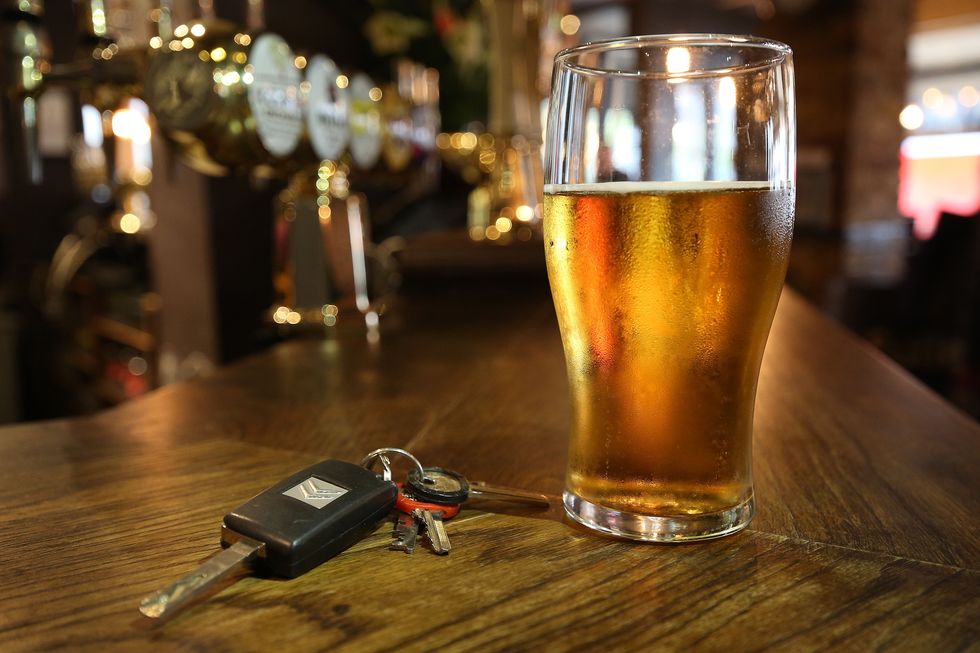 The current alcohol limit is 80mg of alcohol per 100ml of blood in England | PA
Police currently use roadside swab tests that can detect drugs, including cannabis and cocaine.
However, confirmatory blood tests carried out in laboratories can take months to process, meaning some drivers are allowed to continue driving while they wait for the results.
Nicholas Lyes, director of policy and external communications at IAM RoadSmart, said the latest figures show the problem is getting worse.
He said: "It's becoming clear that the UK is mired in a drug-driving epidemic, to the point where it may now be more of a threat on our streets than drink-driving.
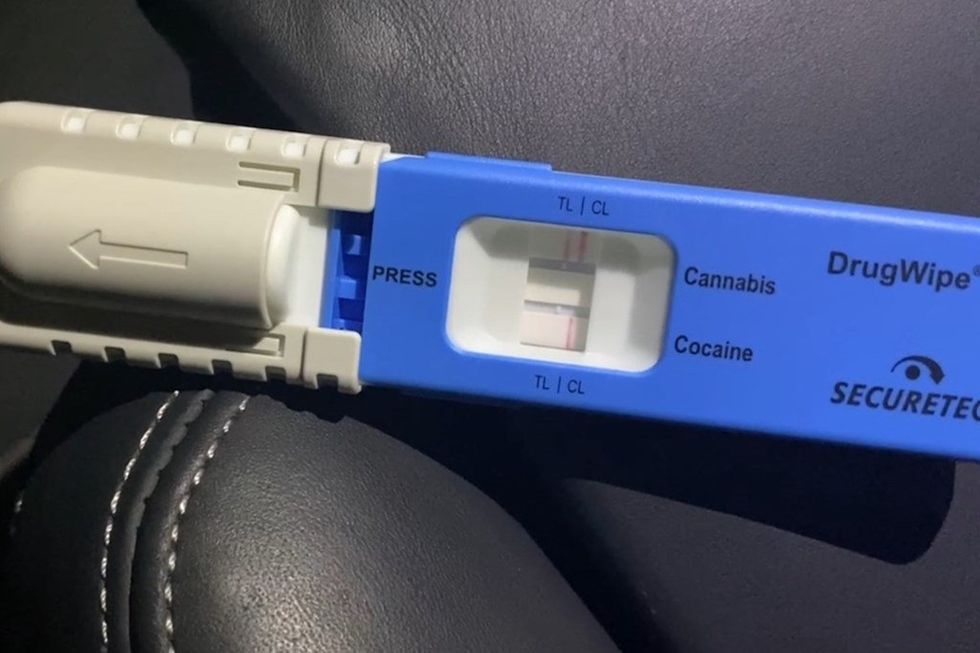
In the UK, drivers found guilty of drug-driving could face 12 months in prison
| ESSEX POLICE"These figures demonstrate the need for radical action to support police forces and reduce harm to all other road users."
Mr Lyes called on the Government to give police the power to suspend driving licences immediately when motorists fail a roadside drug test.
He added: "In addition, it's vital that we establish a national drug drive rehabilitation programme.
"Research has consistently shown similar courses can prevent drink-drive reoffending, and there's every reason to believe a similar approach would reduce drug-driving, change behaviour, and benefit road safety."