


Labour has come under fire for "punishing people who haven't got off-street parking" by charging five times more VAT on public electric vehicle charging than for charging at home.
Guy Bartlett, chief executive of charge point operator Believ, said the current system unfairly penalises millions of motorists who rely on public chargers because they cannot install one outside their home.
Speaking to GB News after Believ secured a record contract to install thousands of EV charge points across Hampshire, Mr Bartlett said ministers were sending "mixed messages" as they push drivers towards electric vehicles while making public charging more expensive.
"They're trying to, on one hand, encourage it, and on the other hand they put this other message out, which is really confusing for people," he said.
Public EV charging is currently subject to 20 per cent VAT, while electricity used to charge a vehicle at home is taxed at just five per cent.
Mr Bartlett said one of the Government's priorities should be to end what he described as an unfair imbalance and "address the VAT issue."
"Rather than having 20 per cent VAT on public charging and five per cent on domestic, balance the two. Don't punish people who haven't got off-street parking," he stated.
His comments follow Believ announcing the largest EV charging agreement in its history, with Hampshire set to receive thousands of new charge points over the coming years. Mr Bartlett said the rollout would help tackle one of the biggest concerns preventing people from buying electric cars.

Changes to the VAT rate would help put more electric vehicles onto UK roads
| PA/GETTY"People are a little bit reluctant to buy electric vehicles because they don't know they'll have a charger," he explained.
He shared: "It's significant because it signals that they are serious about leading the thinking on EVs; it's not simply a matter of saying, 'maybe we should do it, maybe we shouldn't,' it's saying, 'let's get on with it.'"
The Government has repeatedly said expanding the public charging network would be essential ahead of the 2030 ban on the sale of new petrol and diesel cars as part of the Zero Emission Vehicle mandate.
Mr Bartlett explained drivers are often put off by outdated perceptions of electric vehicles, arguing the technology has moved on considerably. "The industry's ahead of where people think it is," he said.
LATEST DEVELOPMENTS
- Bristol: Drivers face hefty charges to travel to work under new parking plans tackling congestion
- Revolutionary technology sees electric car travel from John O'Groats to Land's End using only solar power
- Electric cars make up 30% of new vehicle sales as 'there's never been a better time to make EV switch'
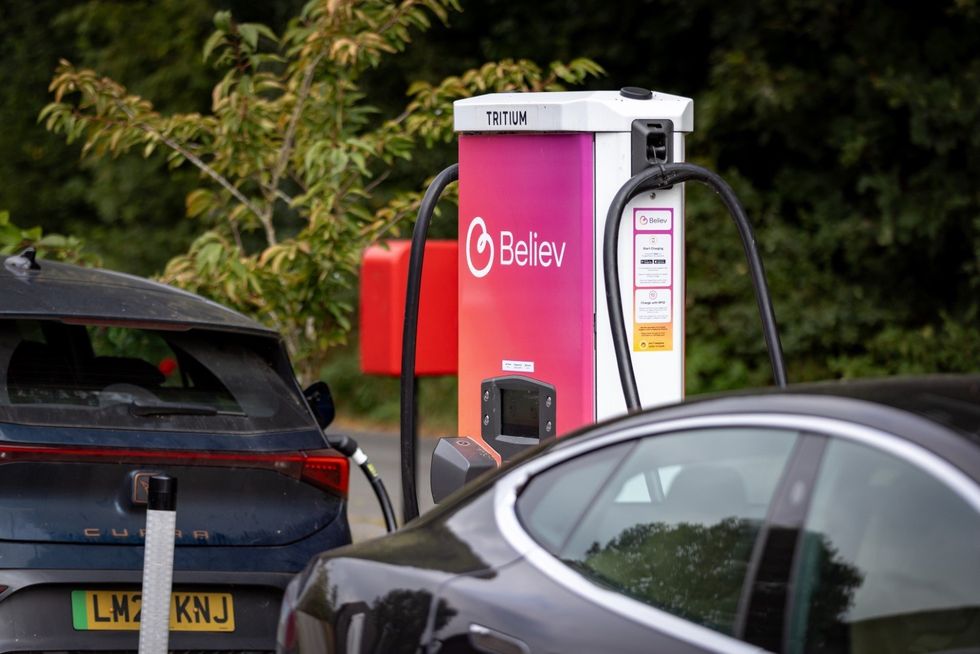 Believ warned the Government needs to remove existing infrastructure barriers to installing EV chargers | BELIEV
Recalling a recent family trip, he added: "I drove up to Scotland... It wasn't a problem." He said many newer electric cars can travel around 370 miles on a single charge, while rapid chargers can take a battery from 10 per cent to 80 per cent in around 15 minutes.
"By the time you've got a coffee, gone to the toilet, made a phone call, you're ready to go," he said. Mr Bartlett also insisted EVs make financial sense for many motorists because they are cheaper to maintain than petrol or diesel vehicles."
He explaiened how he has had his EV for six years now and apart from changing the tyres and washing it, "that's about it."
"There is nothing to look after compared to an internal combustion engine. The cars are better. They're faster, cleaner, easier to maintain, cheaper to run and they retain their value better," he said.
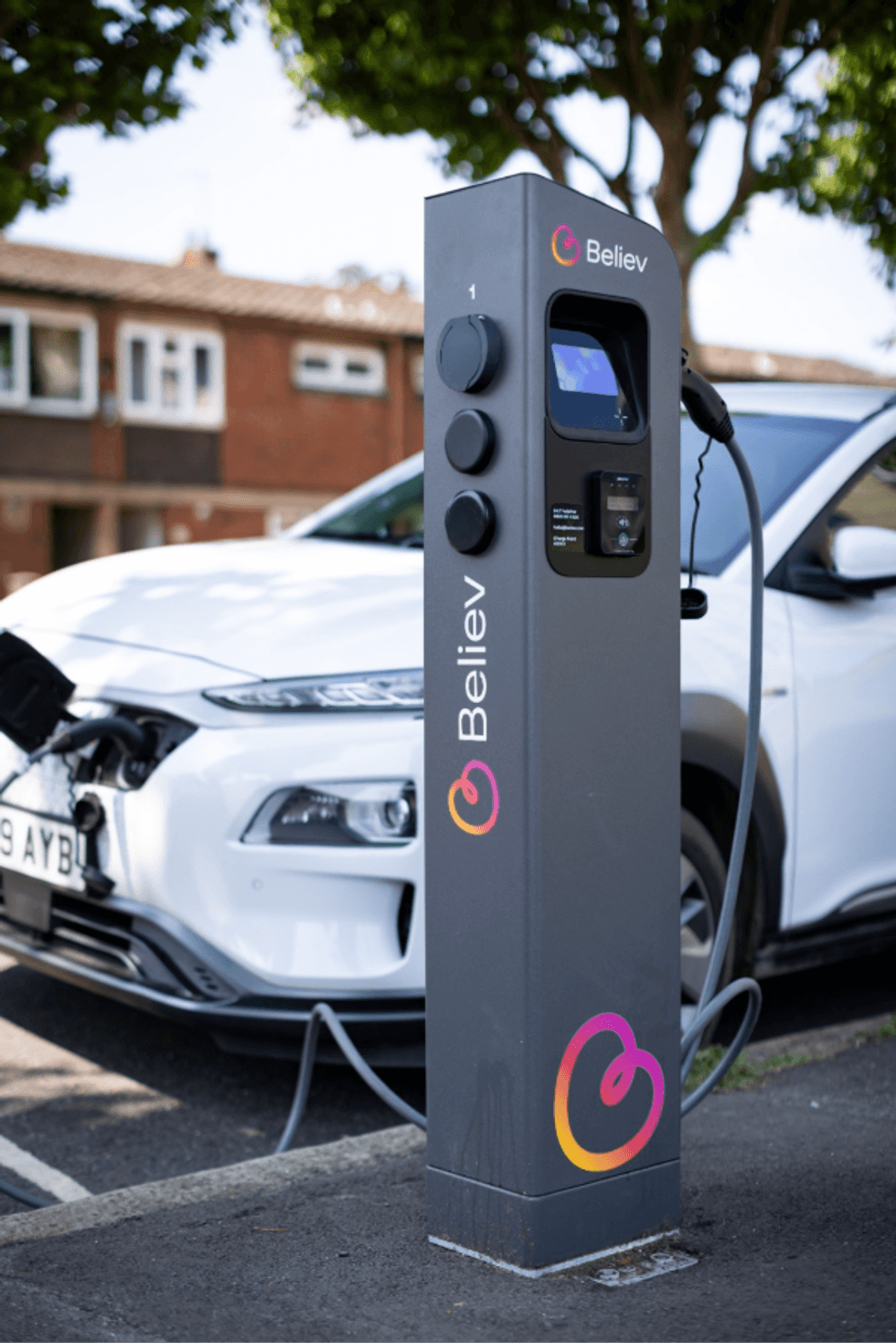 Believ urged the Government not to water down the ZEV mandate | BELIEV
While he acknowledged that rapid public charging can still be expensive, Mr Bartlett said Believ is working to reduce costs and argued Government taxation and upcoming pay-per-mile plans would add unnecessarily to drivers' bills.
When asked what three changes he would make if he could speak directly to ministers, Mr Bartlett called for clearer messaging on electric vehicles, equal VAT rates for home and public charging, and reforms to rules surrounding pavement charging.
Despite ongoing political debate over electric vehicles, Mr Bartlett said he hopes motorists will increasingly choose them because of their practical advantages rather than Government targets alone.
"Gradually people will realise they are better," he said.