


Drivers have been warned of a new weight limit on Vauxhall Bridge, which comes into effect today, restricting heavier vehicles from using the Thames crossing.
The measure will impact approximately 200 vehicles each day, predominantly heavy goods vehicles, which must now follow alternative routes when travelling across the river.
Despite the restriction, the bridge remains open to the vast majority of traffic, with Transport for London emphasising that the crossing continues to be safe for use.
The temporary 18-tonne limit was announced in May following concerns about the structure's condition, with transport officials describing the move as a precautionary step to safeguard the bridge while longer-term solutions are developed.
Recent inspections carried out by TfL revealed that certain components of the bridge have deteriorated since previous assessments, resulting in a reduced weight-bearing capacity.
Although the structure does not currently present any danger to those crossing it, officials determined that action was necessary to prevent additional damage from occurring.
TfL maintains a programme of routine checks across all structures on its road network, with refurbishment work undertaken where needed.
Earlier evaluations had confirmed the bridge was in a safe condition, but the latest findings prompted the transport authority to act swiftly.
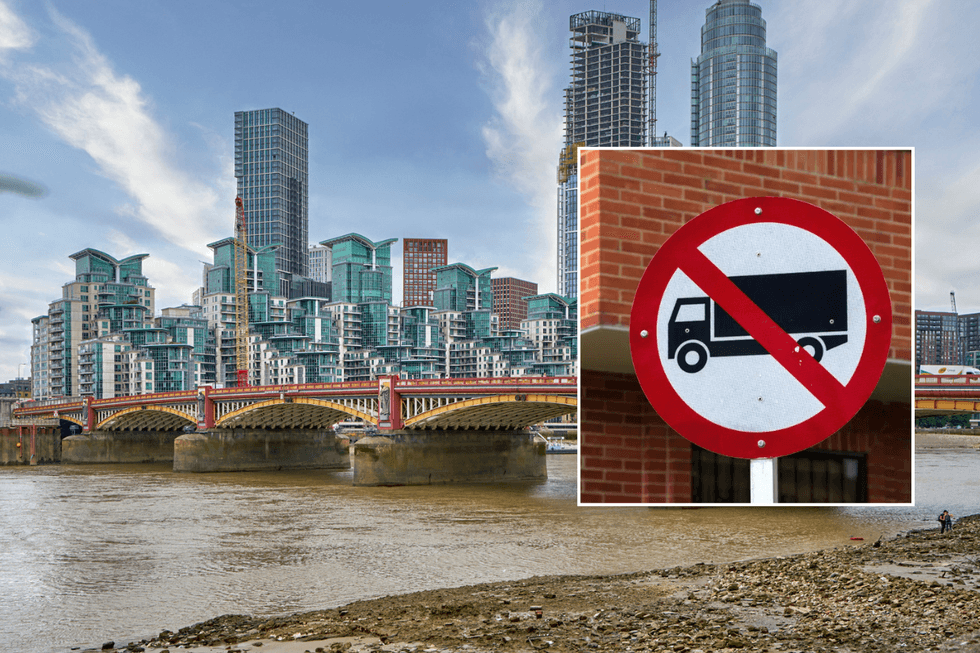
The restrictions will see HGVs have to take alternative routes
|GETTY
The weight restriction will stay in place while engineers work to address the structural issues and formulate a comprehensive plan for the bridge's future.
However, buses and emergency vehicles will not be subject to the new restriction, meaning all existing bus routes will continue operating without any alterations.
TfL has established signed diversion routes for vehicles weighing more than 18 tonnes, with alternative paths available for both northbound and southbound traffic.
The exemptions ensure that essential services can continue to cross the bridge unimpeded, while heavier commercial vehicles are directed to use other Thames crossings.
LATEST DEVELOPMENTS
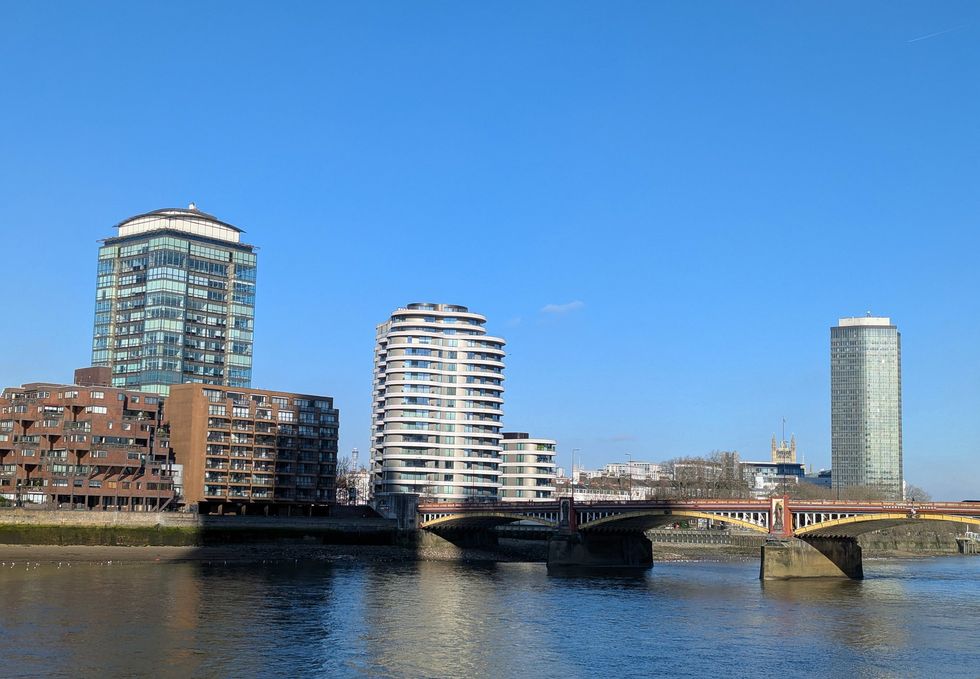 The 120-year-old bridge has been deteriorating over the years, prompting the vehicle ban | GETTY
Drivers of affected vehicles will encounter signage directing them along the designated alternative routes, which have been put in place for traffic travelling in either direction across the river.
The transport authority confirmed that it will monitor the situation closely and provide updates as work on the bridge progresses.
Carl Eddleston, TfL's Director of Streets and Network Operations, said: "Safety is our top priority, and we know how important Vauxhall Bridge is for people travelling across London. This is why we're taking this precautionary step to introduce a weight restriction to the bridge.
"While the bridge remains safe, limiting heavier vehicles helps us protect and keep it open while we develop the long-term improvements it needs."
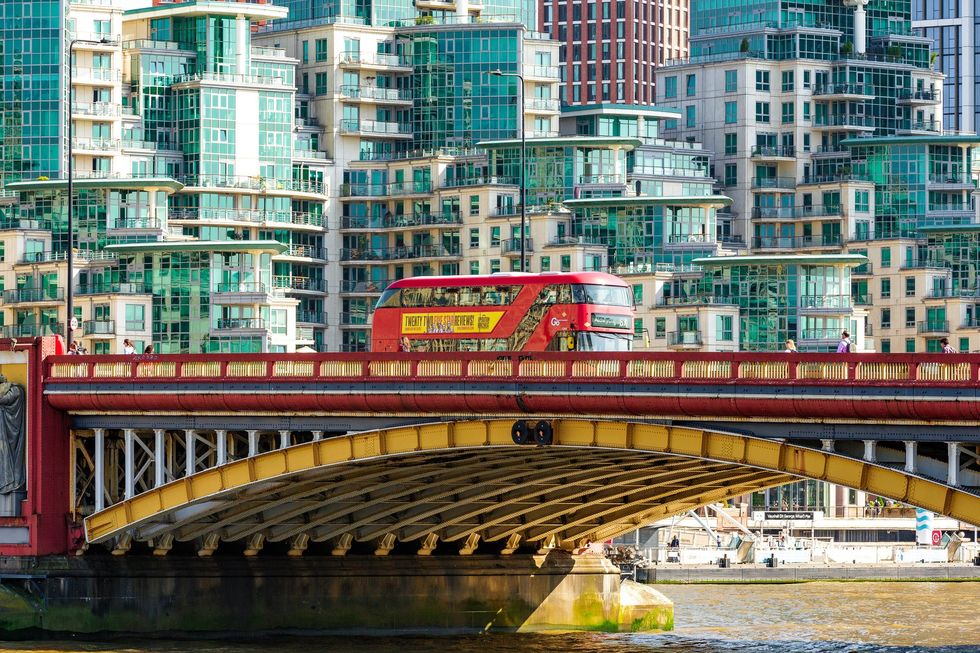 Buses and emergency vehicles will still be allowed to use the crossing | GETTY
Mr Eddleston also acknowledged the inconvenience the measures may cause and apologised for any disruption caused by the restriction.
The bridge serves as a vital crossing point, carrying approximately 39,500 vehicles daily across the Thames between Vauxhall and Pimlico.
Of this total, only around 0.5 per cent of traffic exceeds the new 18-tonne threshold, meaning the overwhelming majority of motorists will notice no change to their journeys.
Restrictions on the bridge are not entirely new, with vehicles classified as abnormal loads having been prohibited from using the crossing since 2023.