


New cars fitted with mandatory speed assistance technology are failing motorists in everyday driving, according to new research from Thatcham Research.
The automotive safety organisation found that Intelligent Speed Assist (ISA) systems, which became compulsory on all new cars sold in the UK and EU from July 2024, are passing official approval tests despite making mistakes on real roads.
The system uses cameras and GPS to detect speed limits and display them to drivers.
In some vehicles, the system also works with Adaptive Cruise Control to automatically adjust the car's speed.
The technology was introduced to improve road safety and help reduce collisions, but Thatcham Research warned drivers could lose confidence in the system if it continues to make errors.
The organisation explained that the problem is the way regulators measure the performance of speed limiters in vehicles.
Current EU approval tests assess how accurately the system works over the total distance travelled.
However, Thatcham says this can hide errors that happen when speed limits actually change.
Instead, researchers tested the systems every time a speed limit changed during a journey. The results showed a significant difference.
The worst-performing vehicle achieved 91.3 per cent accuracy under the current distance-based test. But when measured at every speed limit change, its accuracy dropped to just 74.3 per cent.
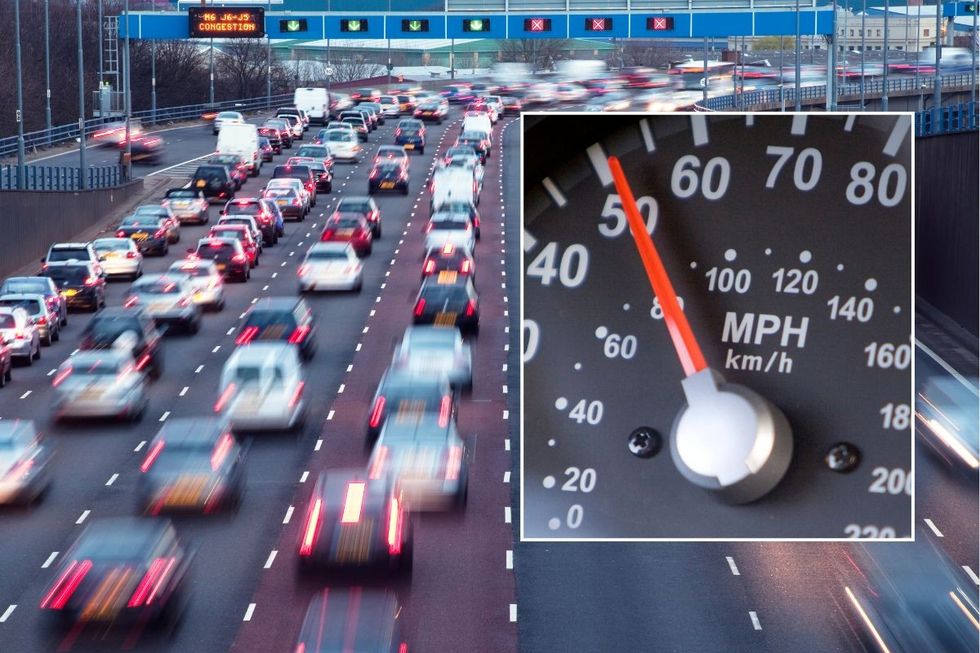
More in-car technology was hoped to reduce road fatalities in the UK
| GETTYThis meant the system displayed the wrong speed limit around one in every four times the limit changed.
Even the best-performing vehicle saw its score fall from 98.39 per cent under the official test to 90.3 per cent using the event-based method, meaning around one in ten speed limit readings were incorrect.
Researchers also found ISA systems displaying speed limits that do not legally exist on UK roads.
Drivers were shown limits of 5mph, 10mph, 15mph and even 100mph, despite none of these being recognised speed limits on public UK roads.
Thatcham Research warned these errors could undermine confidence in the technology.
The issue becomes more serious when ISA is linked to Adaptive Cruise Control, as incorrect speed limit readings could cause vehicles to brake or accelerate unexpectedly.
Yousif Al-Ani, Principal ADAS Engineer at Thatcham Research, said: "Systems should be aligned with the defined speed limit parameters for each market.
"Where readings fall outside those recognised limits, they should be filtered to avoid unintended responses."
LATEST DEVELOPMENTS
 European vehicles must include Intelligent Speed Assistance systems | GETTY
Jonathan Hewett, Chief Executive of Thatcham Research, said advanced driver assistance systems have huge potential to improve road safety, but only if drivers trust them.
He said: "ADAS technologies represent one of the most significant opportunities we have to improve road safety, but that opportunity is only realised if the systems work correctly and earn the confidence of the people using them."
Speaking about ISA specifically, Mr Hewett added that while the intent behind the legislation "is sound, helping drivers stay within speed limits saves lives," the reality can be different.
"A system that misreads limits, intervenes unexpectedly or presents drivers with speed data that bears no relation to the road they are on does not assist them, it frustrates and distracts them, and they turn it off," he said.
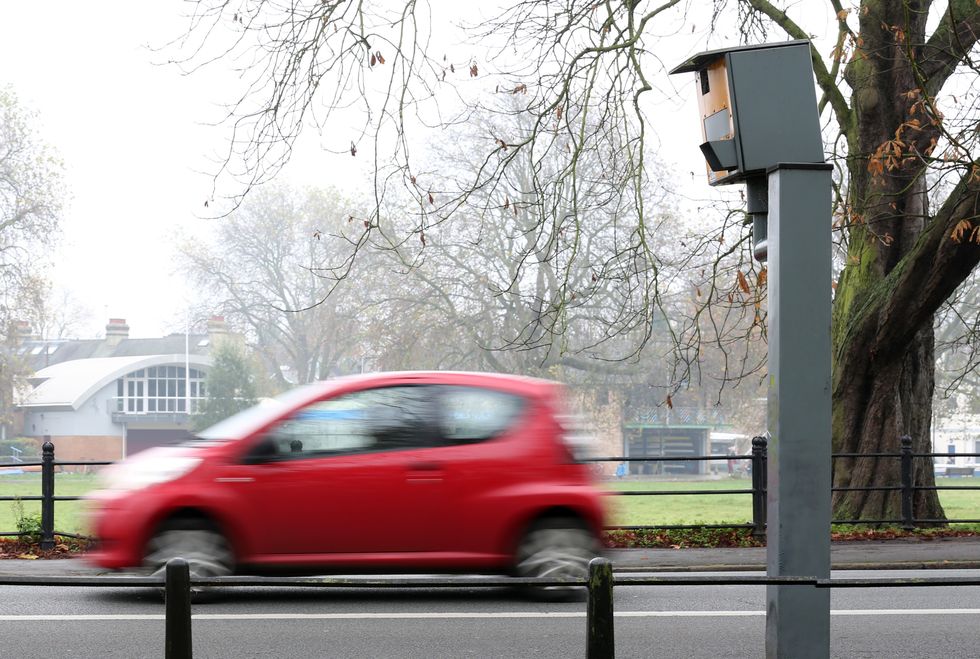 Drivers can be issued a £100 fine and slapped with three penalty points for speeding | PA
Thatcham Research warned repeated mistakes will encourage more drivers to disable the technology altogether, reducing the road safety benefits the legislation was designed to achieve.
The organisation has now called on regulators and car manufacturers to change the current testing process by introducing event-based assessments that better reflect real-world driving.
The group argued improvements to camera recognition, GPS mapping and sensor technology would help deliver more reliable systems.
Mr Hewett shared: "The automotive industry has the capability to deliver ISA that is accurate, consistent and genuinely useful. What is needed now is a regulatory standard that demands exactly that."