



If you are a first-time buyer eyeing up an affordable area, now is the time to move. Prices in these locations are starting to spike, and what feels within reach today may not be tomorrow.
The most common gripe about the housing market is that prices in desirable areas are simply too high for most people, putting homeownership out of reach entirely.
That is true to some extent for London and the leafier parts of the Home Counties, but there are still many spots around the country where getting on the ladder remains a realistic prospect for first-timers.
That may be changing rapidly, however. A new survey by Rightmove has revealed a "value-seeking" trend among buyers, and prices for properties suitable for first-time buyers in some areas are now recording double-digit growth, far outpacing the average for all properties.
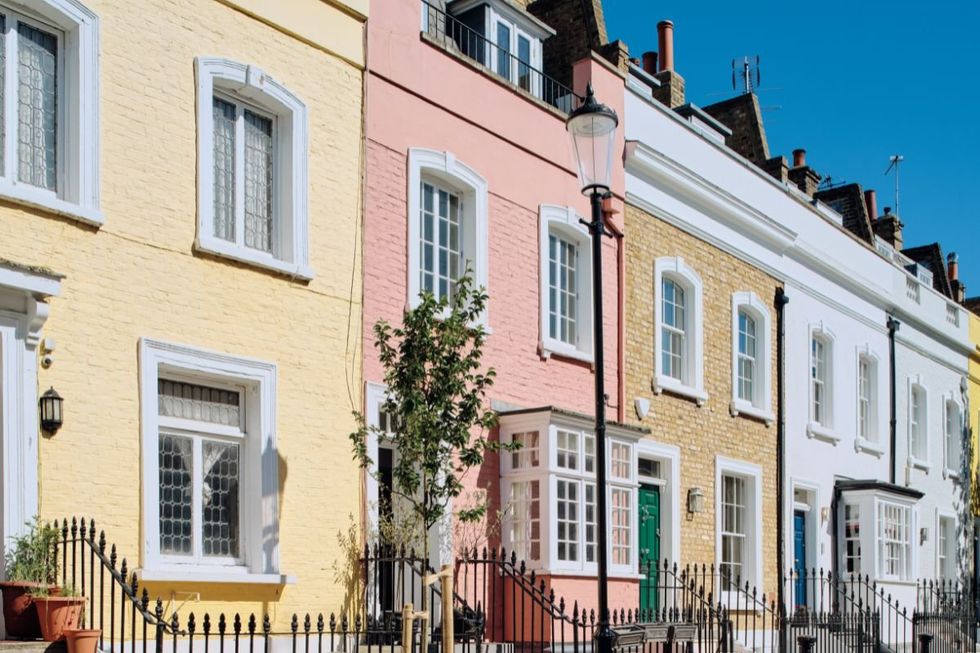
Small differences in price can have a meaningful impact on household affordability for first-time buyers
|GETTY
The numbers tell the story
Take Bridlington, a seaside town in the East Riding of Yorkshire. Prices there have soared by 18 per cent, with the average asking price for a starter home now standing at £167,321 as of May.
The good news is that a starter home there still sits in the "within reach" bracket for many in the area, but only just.
St Helens in Merseyside tells a similar story: an 18 per cent increase has pushed the average cost of a first-time home to £133,106.
For comparison, across Great Britain and excluding London, the average asking price for a typical first-time buyer property with up to two bedrooms is now £228,048.
That is 0.7 per cent lower than this time last year. The wider market is flat at best, yet these affordable pockets are heating up fast.
LATEST DEVELOPMENTS
Why is this happening?
Several factors are at play, but the core issue is simply supply and demand. Cheaper areas will always pull in more buyers.
What is different now is that higher borrowing costs have pushed buyers to compromise on location. Rather than stretching themselves in pricier cities, they are targeting lower-priced towns instead.
For first-time buyers, even a small difference in purchase price has a meaningful impact on household affordability, so demand quickly shifts to cheaper pockets.
Deposits remain another major hurdle. Potential buyers naturally gravitate to areas where a lower deposit is required, and that concentrates competition in places with limited stock of starter homes.
Prices rise sharply in these "micro-markets" even while the broader market stagnates.
Meanwhile, high-priced areas like Southampton and Brighton have seen falls, pointing towards a cooling in southern premium locations.

Potential buyers naturally gravitate to areas where a lower deposit is required
|GETTY
Where to look next
If you are poised to enter the market, here are my tips on areas likely to see similar rises soon due to value-seeking:
- Northern England commuter towns with rail links to larger employment centres
- Scottish affordable markets where entry-level stock remains comparatively cheap
- Post-industrial towns are undergoing gradual regeneration, where prices start low
- Edge-of-city suburbs where buyers can still access jobs, but at lower entry prices
The window of affordability in these areas may not stay open forever. If you are in a position to act, do not wait.
Jonathan Rolande is the founder of House Buy Fast. For more information, visit https://rolande.property/
Our Standards: The GB News Editorial Charter