Lord O'Neill has concerns over wealth taxes and placing his investments in a blind trust
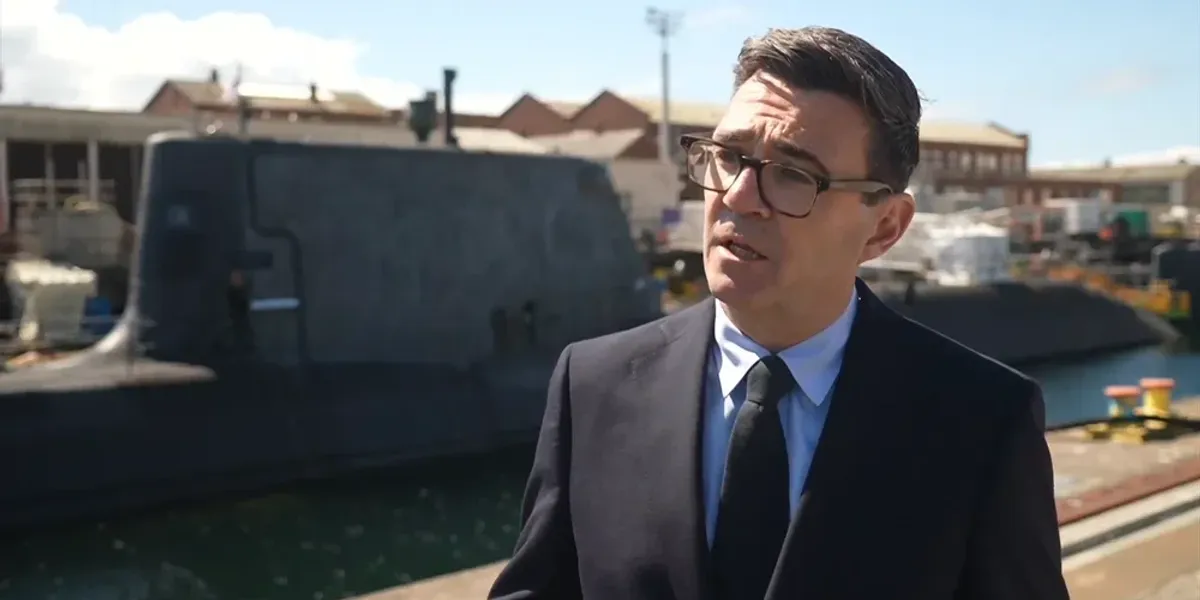
Prime Minister Andy Burnham has yet to secure Government roles for two senior economic figures who had been expected to advise on his economic agenda, with discussions over potential appointments still ongoing.
Lord O’Neill of Gatley and former Bank of England chief economist Andy Haldane have not formally accepted positions, with The Times reporting that negotiations remain active.
Lord O’Neill, the former Goldman Sachs economist, has reportedly been offered ministerial and advisory roles but remains unconvinced about joining the Government.
According to The Times, his concerns include potential wealth taxes being considered by some within Mr Burnham’s team and the requirement to place his investments into a blind trust.
Mr Haldane has provided informal advice but has not been formally appointed to a Downing Street role.
The two appointments had been viewed as potential measures to reassure financial markets ahead of Mr Burnham’s premiership.
Lord O’Neill has extensive commercial interests, including serving as non‑executive chairman of Northern Gritstone, which aims to commercialise university research.
His House of Lords register lists more than 70 shareholdings across banks, venture capital firms and private equity businesses.
A Government role would require him to place his portfolio into a blind trust.
Speaking to LBC before Mr Burnham entered Downing Street, he said: “I am very opposed to the general rule of wealth taxes… I don’t think they are likely to raise a lot of revenue.”
A Whitehall source said policy differences remain a significant issue. Lord O’Neill has defended the tax treatment of venture capital investment, arguing that incentives are necessary because of the risks involved.
He told LBC that genuine entrepreneurship “deserve[s] to be taxed at a lower rate,” and has previously warned that increasing taxes on people investing in British businesses could affect investment and economic growth.
He is understood to have indicated he would not accept a Government role if ministers pursued policies he opposed.
His stance comes as wealth taxes have received support from some figures associated with Mr Burnham’s Government.
Chancellor John Healey is preparing for his first Budget on October 28 as the Government looks to fund spending commitments and meet fiscal rules.
Mr Burnham has announced several measures since becoming Prime Minister, including a temporary removal of VAT from household energy bills at a reported cost of £850million, a £2 bus fare cap costing £500million and a £100million support package for pubs and live music venues.
The Government also needs to find £4.7billion for its defence investment plan.
Mr Burnham’s team has been considering changes to capital gains tax, including bringing rates closer to income tax.
However, the Government remains bound by Labour’s manifesto commitment not to increase VAT, national insurance or income tax.
Senior figures have warned that significantly increasing capital gains tax could prompt investors to defer asset sales, reducing expected revenue.
Mr Healey has described economic stability as his “fundamental” priority and has instructed departments to identify savings.
He told The Times last month that tax rises could not be ruled out, while remaining within fiscal rules.
Mr Haldane’s potential role remains unresolved, with the former Bank of England economist continuing to advise informally.
Lord O’Neill has also yet to accept a formal position, leaving discussions ongoing ahead of the October 28 Budget.