The Prime Minister said he would announce how he would pay to bring services back into public control on Tuesday
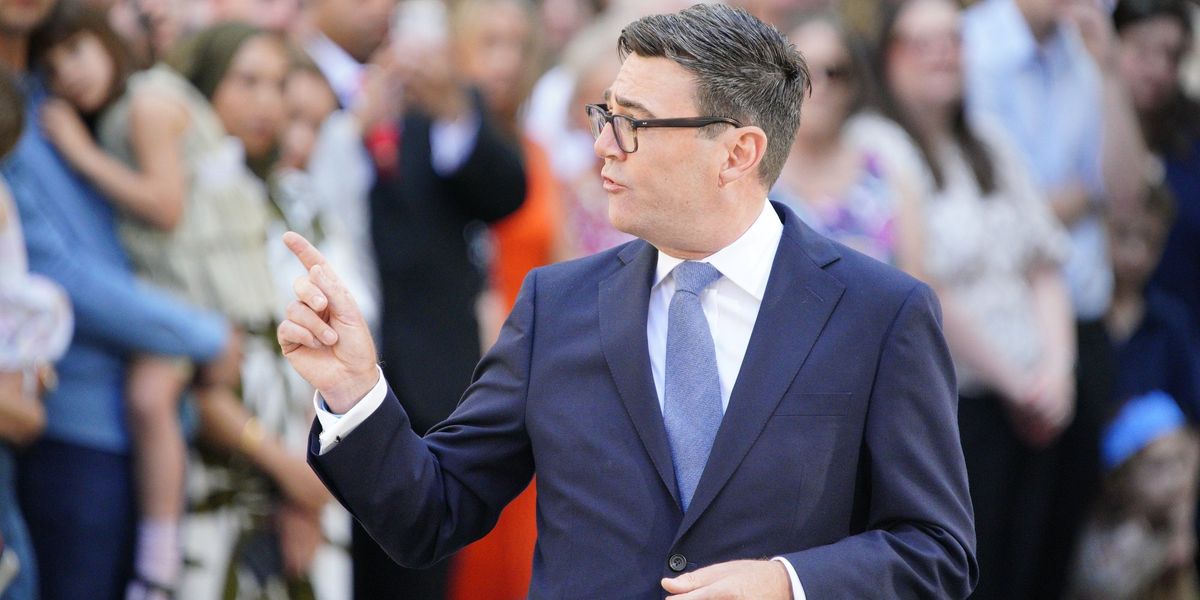
Andy Burnhan hinted fresh tax rises could be announced as soon as tomorrow as he gave his first speech as Prime Minister.Speaking from outside No10, Mr Burnham has pledged to unveil a "10 year plan" later this year as well as immediate measures to bring down the cost of living, promising to provide more details tomorrow.
He said: "We will bring life's essentials back under stronger public control to make them affordable for you again," but acknowledged that the cost to do so would need to be met with a clear plan.
"But I can do something to give people some breathing space now, and give them some help with the cost of living.
"I will set out some of those measures tomorrow, including how we will pay for them."
The former Mayor of Manchester's comments suggest a plan to increase public spending, fuelling fears of further tax raids in the near future.
Mr Burnham also reaffirmed his Government's intent to build more social housing, honour Britain's commitments internationally on defence, and provide renewed focus on ending rough sleeping.
Speaking outside No10, Mr Burnham said his administration would act as "a circuit breaker for Britain, bringing forward the biggest changes in the last 40 years".
He added his Government would deliver "a new political model and a new economic model".
The Prime Minister criticised the direction taken during the 1980s, arguing Britain had taken "some wrong turns" during that period.
He said political power had become too concentrated in Westminster, while economic assets had been sold off and many industrial communities had experienced long-term decline, and would pursue a more collaborative approach focused on solving problems rather than political division.
Mr Burnham also pledged to devolve more powers across the country, saying authority would be distributed "into every postcode in the land".
The Prime Minister said his economic plans would include bringing "life's essentials back under stronger public control" and using public procurement to support British manufacturing.
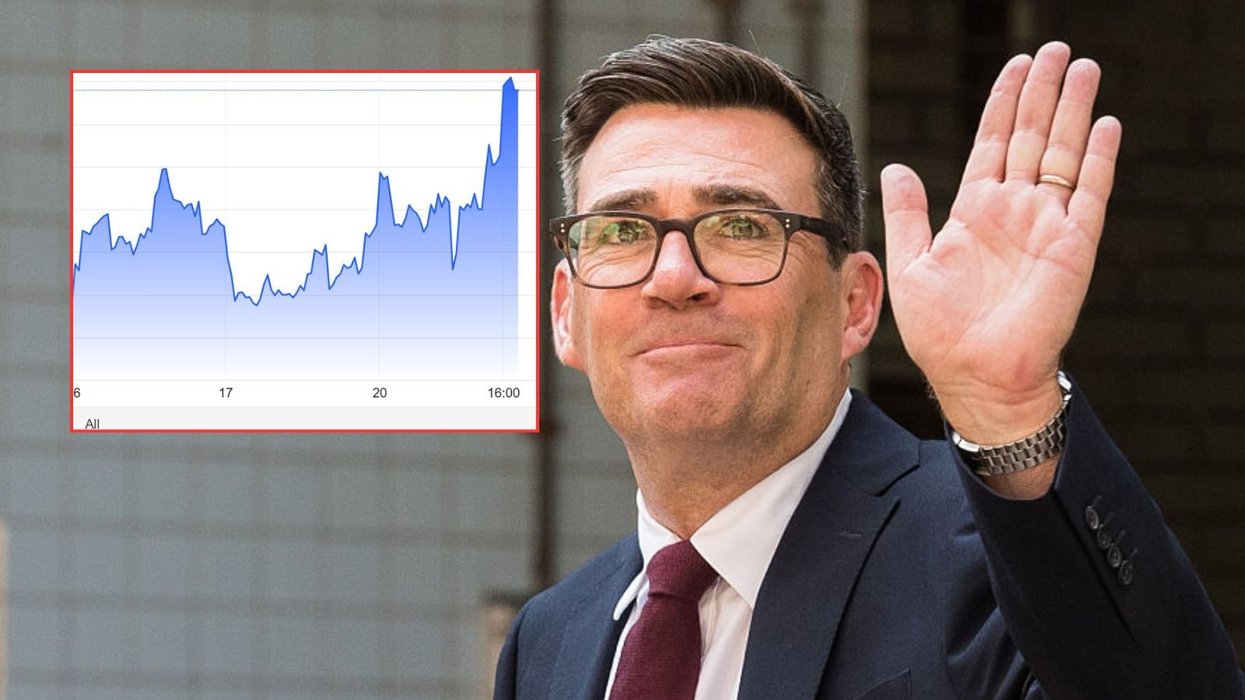
Financial markets showed little immediate reaction to the change of Prime Minister.
James Smith, a developed markets economist at ING, said: "Today, his arrival in Downing Street has been met with little more than a shrug."
Mr Smith said bond market risk premiums had remained contained, with investors appearing to expect the new Prime Minister to avoid major fiscal changes in the short term, although longer-term concerns over the public finances remained.
Elsewhere, British Airways called on the new Government to reduce taxes affecting the aviation sector.
Sean Doyle, chief executive of British Airways, said at the Farnborough Airshow in Hampshire: "We have very, very high taxation burdens, whether it's APD, whether it's airport charges."
Mr Doyle said lower taxes would help the aviation industry continue contributing to economic growth and argued the UK's tax burden was higher than in many comparable markets.
He also urged ministers to recognise the importance of the aviation sector and consider international competitiveness when developing future policy.