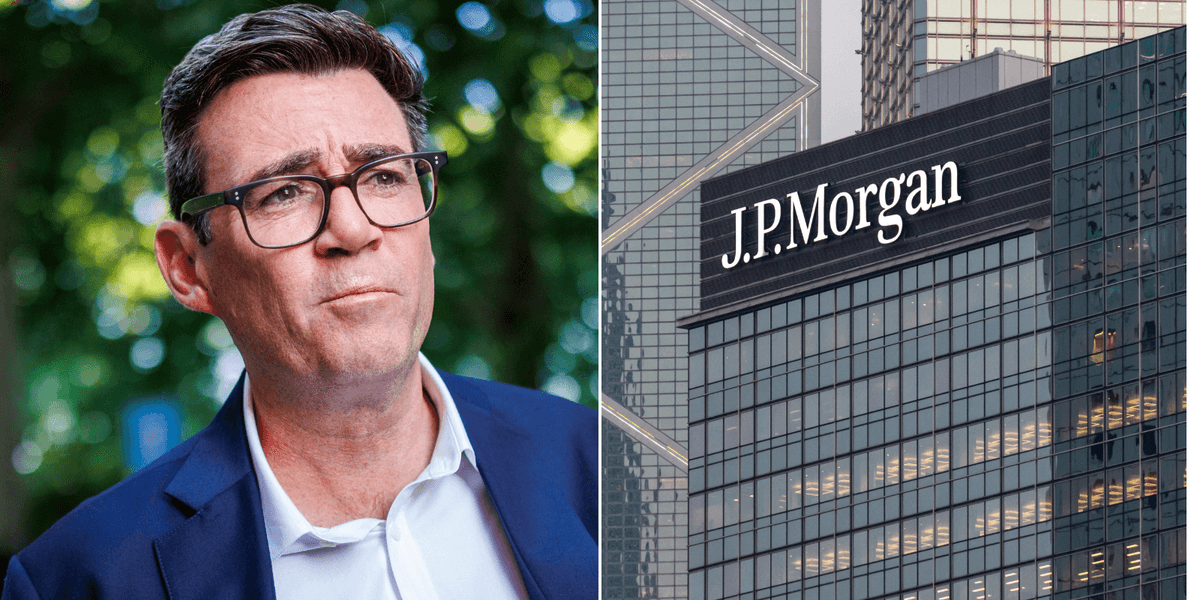
'If you have an uncompetitive tax system, capital leaves your country,' CEO Jamie Dimon cautioned
JPMorgan's CEO refused to rule out scrapping the bank's proposed £3billion skyscraper in Canary Wharf last night in a major tax warning to Andy Burnham.
Jamie Dimon said he hoped London would remain JPMorgan's European headquarters for a "long period of time" and said he was "praying that [Burnham's Government] gets policy right".
"I would be very cautious if I was a Government thinking that penalising any company out of the ordinary is a good thing for that country," Mr Dimon said.
"And what they should have in my view is a competitive tax system that's consistent and conducive to capital formation that'll drive a country, drive the growth of a country.
"That is what they should do. If you have an uncompetitive tax system, capital leaves your country."
He also warned that "Government after Government" in Britain "get [policy] wrong".
Mr Dimon's comments come as the new Prime Minister weighs up whether he will uphold a large tax break for the bank’s massive London development.
In an appearance on the Master Investor podcast with Wilfred Frost, the veteran banker refused to make a "binary decision" about the project's future or indicate whether JP Morgan would proceed if the banking levy were raised.
A Memorandum of Understanding was reached in March between Tower Hamlets council, the Greater London Authority and the Government, indicating the tower would be granted an exemption from business rates.
However, CityAM reported that this non-binding agreement was only formally signed last month, meaning Mr Burnham's Government now faces the choice of converting it into a legally enforceable arrangement.
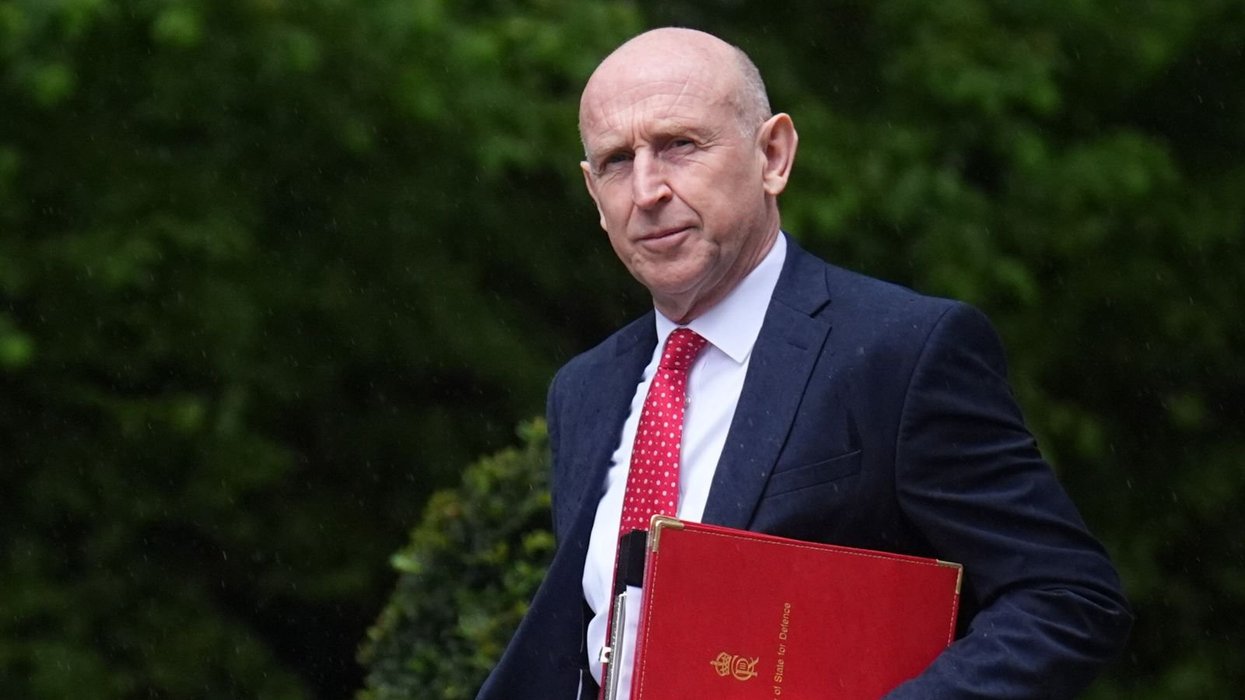
This decision represents an early challenge for John Healey, who succeeds Rachel Reeves as Chancellor following her removal from Cabinet on Monday.
It will also serve as a crucial indicator to business about whether Mr Burnham's new Labour really wants to attract international investment.
ANDY BURNHAM - READ THE LATEST:
The new Chancellor will simultaneously confront mounting pressure from banks regarding the UK Bank Levy.
At the last November Budget, Ms Reeves and the Treasury protected banks from increases, but the sector now anticipates a hike under Mr Burnham.
The banking industry currently faces a 28 per cent corporation tax rate, made up of the standard 25 per cent rate plus a three per cent surcharge, with the levy having been introduced in the aftermath of the financial crisis.
Mr Dimon said: "I always thought it was wrong. JP Morgan did not damage the UK.
"I just thought it was a lack of principle to punish a company that had nothing to do with the crisis."
He praised the outgoing Chancellor, saying he "thought Rachel [Reeves] did a great job", but stressed that her successor would need "good policies that actually cause growth".
Mr Healey served as Financial Secretary to the Treasury under Tony Blair’s Government between May 2005 and June 2007, having been the department’s Economic Secretary between May 2002 and May 2005.
The former Defence Secretary was not in the shortlist for the role, with Energy Secretary Ed Miliband and Home Secretary Shabana Mahmood being the main frontrunners.
Turning his attention to Britain's new Prime Minister, Mr Dimon said he wanted Mr Burnham "to succeed" in Government and wants the "UK to thrive".