Thank you for subscribing!
The union body wants the government to raise the Bank Surcharge, a tax on bank profits exceeding £100million
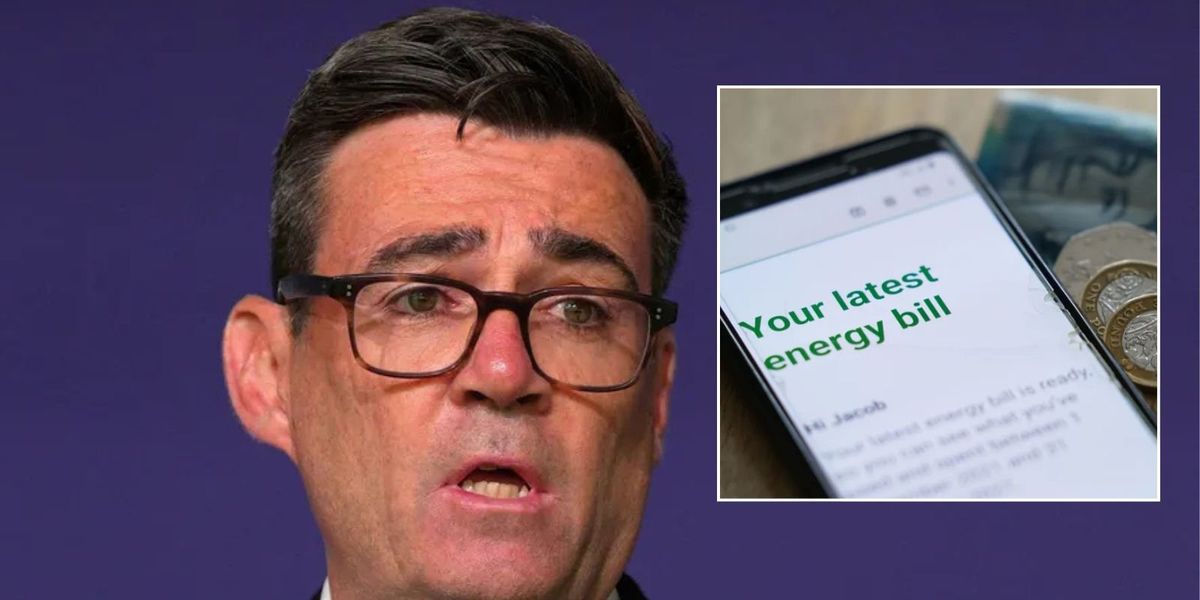
Andy Burnham is facing growing pressure to introduce a "social tariff" on energy bills that would deliver discounts to millions of low and middle income households across the country.
The TUC is calling on the Government to raise taxes on banks and wealth, with some of the additional revenue used to fund discounted energy bills for millions of households.
Paul Nowak, general secretary of the Trades Union Congress, is pressing Prime Minister Andy Burnham and Chancellor John Healey to impose higher taxes on the wealthy to fund the cuts.
Mr Nowak told the Financial Times that despite rising borrowing costs, the pair needed to show "some ambition" at next month's Budget. The TUC's central demand is a fresh surcharge on bank profits, alongside increased levies on capital gains and dividends.
"We feel our tax system is much better at taxing work than it is wealth," Mr Nowak said ahead of this weekend's TUC Congress.
At the heart of the TUC's proposal is a "social tariff" that would discount energy bills according to household income. The scheme would offer the greatest relief to those most in need.
Under the emergency plan, the poorest 17 per cent of households, those earning below the relative poverty line, would receive a 30 per cent reduction on their total energy bills. That amounts to a saving of up to £517 a year.
A further 33 per cent of households with incomes above the poverty line but below the median would benefit from a 20 per cent discount, saving up to £345 annually.
An additional 15 per cent of households, those earning between the median and mean income, would get a 10 per cent cut, worth up to £172 a year. In total, two thirds of households would benefit.
The TUC estimates its emergency social tariff would cost £6billion, while a permanent version would run to just under £4billion annually.
To cover this, the union body wants the government to raise the Bank Surcharge, a tax on bank profits exceeding £100million.
The surcharge currently stands at 3 per cent, having been reduced from 8 per cent by the Conservative government in 2023.
Simply restoring it to 8 per cent would generate an estimated £8billion over four years. Pushing it to 16 per cent would bring in £20billion over the same period.
At 35 per cent, matching the level the Conservatives previously imposed on energy companies, the levy could raise £50billion across four years.
Energy bills have surged by £221 a year since July, driven by the conflict in Iran, with a further £79 rise expected in October.
However, the push for higher bank taxes faces fierce resistance from Wall Street. Jamie Dimon, chief executive of JP Morgan, is understood to have cautioned Mr Healey during a meeting on Wednesday that increased levies could threaten both investment and jobs in the UK.
Mr Dimon has a well-established history of lobbying against Britain's additional bank taxes.
In August, he warned the chancellor by telephone that higher levies could damage employment, pointing to a decline in finance roles in New York which he attributed to that city's tax regime.
The JP Morgan boss has also suggested he could abandon plans for a £3billion tower in London's Canary Wharf, intended to house more than half the bank's 23,000 UK staff, if the new prime minister proved hostile to banks.
Despite the departure of Chris Rokos, the UK's third-biggest taxpayer, to Greece this week, Mr Nowak dismissed suggestions that higher taxes were prompting a mass exodus of wealthy individuals.
"There's no evidence at all that this is leading to a flight of the millionaires," he said. "There is a real danger that what we end up doing is setting tax policy by anecdotes."
He insisted Britain remained a country where people could thrive and build successful businesses. "We want that, but we also want people to pay their fair share," he added.
Mr Nowak is also urging Mr Healey to align the tax rates on capital gains, dividends and rental income with those on earned income. "The previous chancellor started down that road and we want John Healey to finish the job," he said.