The Bank of England voted to keep interest rates unchanged as policymakers warned inflation is expected to rise again later this year
The Bank of England has held interest rates at 3.75 per cent, with policymakers warning that inflation is expected to rise again later this year.
The Monetary Policy Committee (MPC) voted to keep the base rate unchanged at its latest meeting as uncertainty persists over the economic fallout from the conflict in the Middle East.
The decision was not unanimous: six members backed a hold, while three voted for a quarter‑point increase to four per cent, underscoring continued concern about inflationary pressures.
Consumer price inflation fell to 2.6 per cent in June, down from 2.8 per cent in May — a larger drop than most economists had forecast.
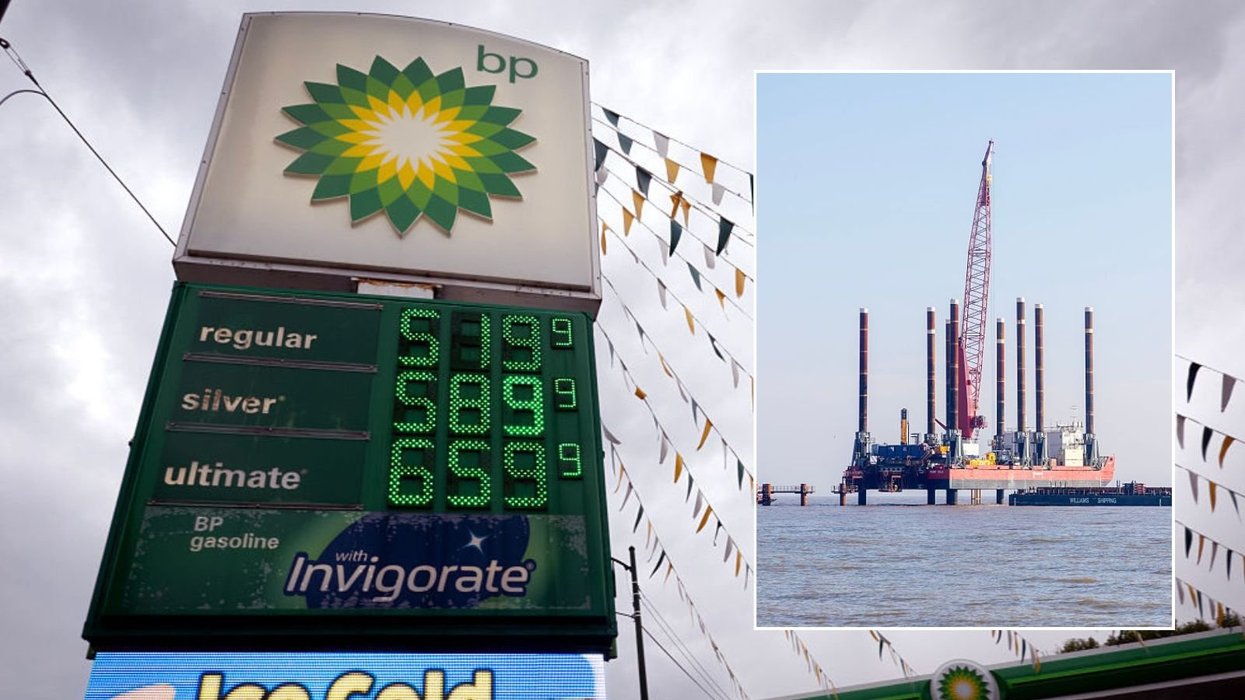
The decline was driven largely by a temporary fall in motor fuel prices during a brief pause in the US‑Iran conflict.
However, the MPC warned the improvement is unlikely to last.
Inflation is expected to rise through the remainder of 2026 as higher global energy prices continue to feed through to households and businesses.
The conflict involving Iran, which has disrupted global trade since February 28, has played a major role in pushing up energy costs following the closure of the Strait of Hormuz, a key shipping route carrying around a fifth of the world’s oil and gas supplies.
Some vessels have remained trapped for nearly six months, adding to supply pressures and contributing to higher crude prices.
Britain’s status as a net energy importer leaves it particularly exposed to volatility in wholesale markets.
Ofgem increased the energy price cap at the start of July, raising the typical annual dual‑fuel bill to £1,862.
Businesses are also facing higher costs, with rising transport and operating expenses expected to feed through into consumer prices.
Economists broadly expect inflation to accelerate again before the end of the year.
The Bank’s June forecast suggested inflation would remain just below three per cent for much of 2026 before rising to “a little over” 3.25 per cent in the final quarter.
Deutsche Bank expects a peak between 3.3 per cent and 3.5 per cent, while economists surveyed by the Treasury forecast inflation will average 3.7 per cent by Q4.
Sanjay Raja, chief UK economist at Deutsche Bank, said: “The good news is that inflation continues to miss expectations, coming in softer than most forecasters expected.
"The bad news is that the resurgence in commodity prices (energy, fertiliser) will keep inflation forecasts elevated for some time.”
Even so, current projections remain well below April’s worst‑case scenario of 6.2 per cent.
“This, we think, will continue to keep any prospect of rate cuts off the table for now, while allowing the MPC to retain its slight hawkish bias,” Mr Raja said.
Deutsche Bank believes the earliest opportunity for a cut could come in spring 2027, while Oxford Economics expects the first reduction may not arrive until later that year.
The MPC said the risks of higher inflation continue to outweigh the risks of weaker price growth.
However, policymakers noted limited evidence that rising energy costs are feeding through into wages or becoming embedded in broader pricing decisions.
Subdued economic activity and a looser labour market should help contain those pressures, the Committee said, adding that it will continue to monitor inflation risks closely.