Thank you for subscribing!
The think tank estimates that the total additional burden on the public purse could reach as much as £4.7billion
Taxpayers could be left footing an extra £1.7billion bill as Britain's benefits spending surges, driven by inflation that shows no sign of easing.
The warning comes from the Institute for Fiscal Studies, which said price rises fuelled by the Iran conflict are heaping enormous pressure on Chancellor John Healey ahead of his Budget.
Inflation hit 2.9 per cent in the year to July, significantly overshooting the Bank of England's two per cent target.
Before the war broke out, the Office for Budget Responsibility had forecast it would sit at just 2.1 per cent.
The IFS said that should inflation hold at current levels into the autumn, the Chancellor would need to find the additional £1.7billion from 2027-28 onwards to cover higher benefits payments linked to rising prices.
But the benefits bill is only part of the picture as the think tank estimates that the total additional burden on the public purse could reach as much as £4.7billion.
Public sector pensions, which are also linked to inflation, would cost roughly £700million more at current price levels.
The largest single hit, however, falls on the Government's debt interest payments.
Because these are tied to the retail prices index, they could swell by up to £2.3billion if that measure of inflation stays close to where it stands now.
The country spent £111.2billion servicing its debt last year alone. The IFS calculates that higher inflation could add £1.8billion in extra costs to index-linked debt this year, with a further £500million following next year.
Households face further strain this week, with energy regulator Ofgem expected to announce on Wednesday that typical gas and electricity bills will climb 4 per cent in October to £1,729, an increase of £66 from the current £1,663.
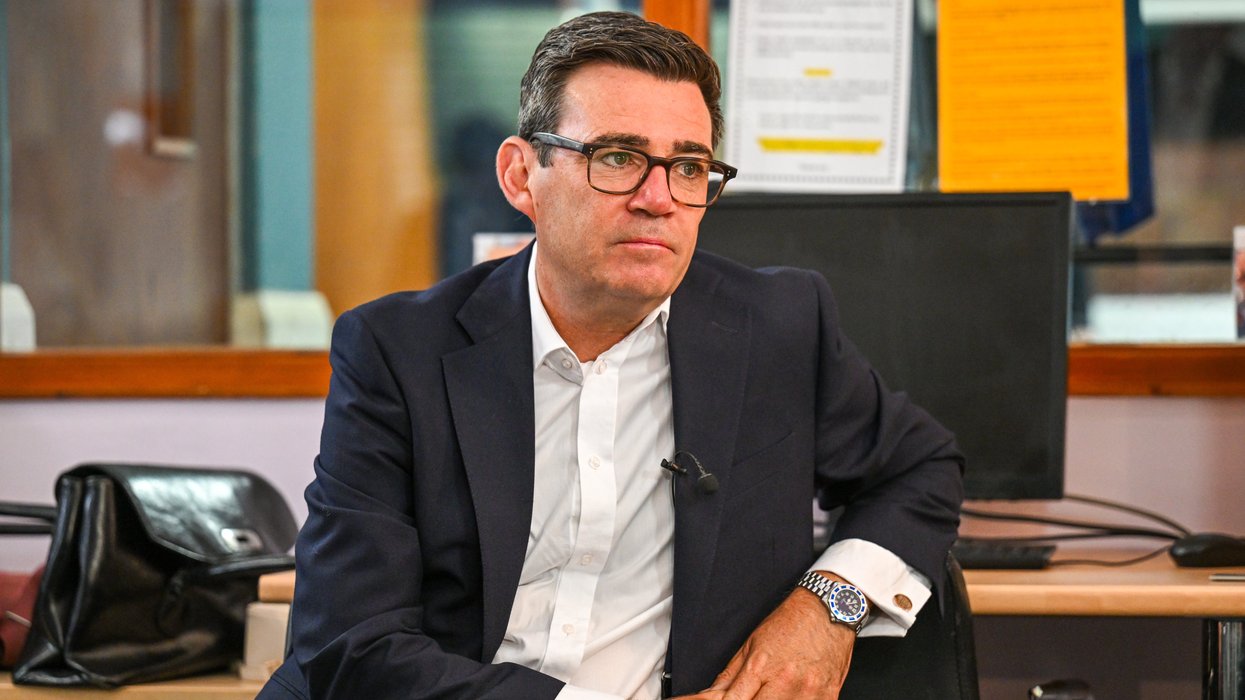
That rise threatens to push inflation higher still, undermining Andy Burnham's pledge to reduce the cost of living.
Most economists now expect inflation to break through three per cent in the coming months. Alexander Harvey, of Oxford Economics, forecasts it will reach 3.5 per cent by the end of the year, which would pile billions more onto government spending.
Should inflation exceed three per cent, Bank of England Governor Andrew Bailey would be required to write formally to the Chancellor explaining why prices have risen so far beyond target.
The financial squeeze extends well beyond the immediate spending pressures. The Chancellor's room for manoeuvre has narrowed dramatically, with the Resolution Foundation estimating that fiscal headroom has fallen to as little as £8billion.
Under former chancellor Rachel Reeves, that buffer stood at £23.6billion in the spring, but rising borrowing costs and persistent inflation have eroded it sharply.
Welfare spending overall is already set to reach £353billion, a significant jump from the £314billion bill when Labour first entered Downing Street in 2024.
However, the IFS noted that Mr Healey could recoup around £1billion in additional tax revenue, since levies such as business rates and alcohol duties are themselves linked to inflation.
The inflation-linked spending surge would also leave the Government with fewer resources to support households and businesses hit by rising energy costs.
Pressure from Whitehall departments to top up their budgets, which are set in cash terms and lose value as prices climb, risks putting Mr Healey at odds with Cabinet colleagues.
A Treasury spokesman said: "Fiscal discipline is the bedrock of economic stability and national security. The Chancellor and Prime Minister are in lockstep that the Government will meet the fiscal rules, with a buffer against uncertainty and that includes getting debt down. We're cutting the deficit faster than any other G7 economy to the lowest level in six years."
The challenge for Mr Burnham and Mr Healey remains stark: delivering on promises to ease the cost of living while navigating increasingly tight public finances.