
Thank you for subscribing!
Thousands more benefit claimants will be assessed in person under changes aimed at tackling a growing backlog
Thousands of benefit claimants are set to face major changes to how their health conditions are assessed as the Government looks to bring down the welfare bill.
The shake-up will see far more assessments carried out face-to-face as ministers tackle a growing backlog and target £1.9billion in savings for taxpayers by the end of 2030/31.
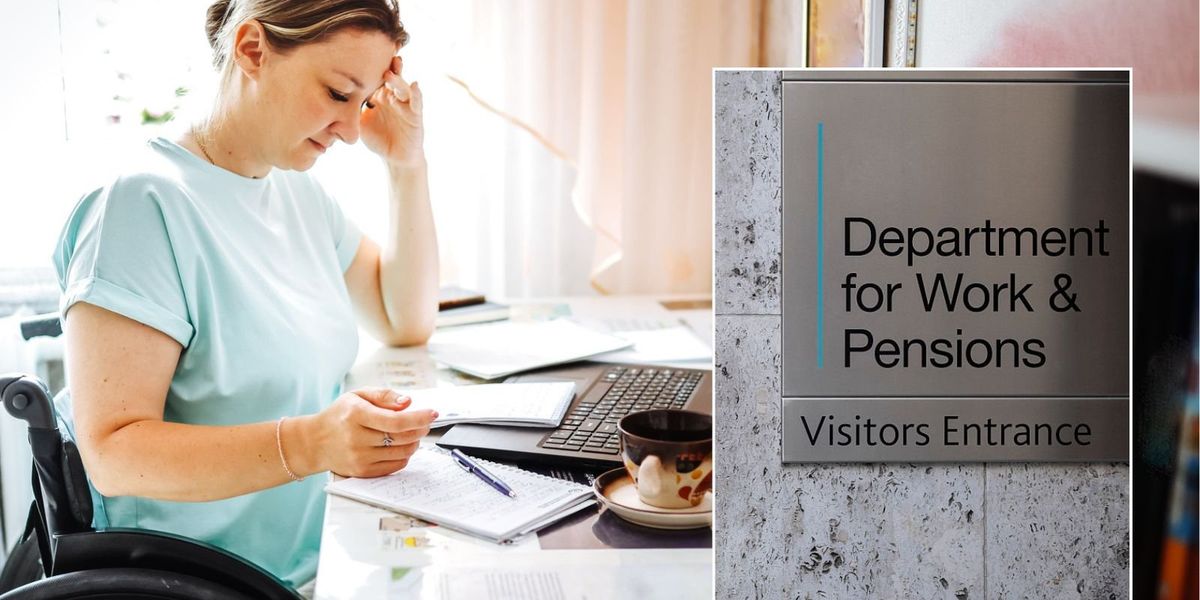
The Department for Work and Pensions (DWP) will increase the number of in-person Work Capability Assessments, which are used to determine how a health condition or disability affects someone's ability to work.
Face-to-face assessments were scaled back during the Covid-19 pandemic, with contracts agreed under the previous government requiring 80 per cent to be completed virtually.
Under the changes, 30 per cent of Personal Independence Payment (PIP) assessments will now be carried out face-to-face. This is up from just six per cent in 2024, when around 57,000 were conducted in person.
The proportion of Work Capability Assessments carried out face-to-face will also rise from 12 per cent in 2024 to 30 per cent.
The wider package includes changes to Universal Credit from April next year, the redeployment of 1,000 work coaches and additional employment support for sick and disabled people.
The Work Capability Assessment has seen a similar shift, climbing from 12 per cent in 2024, equivalent to around 74,000 in-person appointments, to the same 30 per cent threshold.
The increase has been made possible by freeing up capacity among health assessors, who are now able to carry out more reassessments alongside the expanded face-to-face workload.
Reassessments remain a crucial tool for tracking how changes in a claimant's health condition or disability affect their entitlement over time.
The Government has described the inherited system as broken, with the virtual-heavy model leaving a significant backlog of unprocessed claims.
Beyond the assessment changes, the Government has also extended the intervals between PIP award reviews.
Currently, claimants can face reassessments as frequently as every nine months, with most seeing no alteration to their entitlement.
Under the new rules, the majority of PIP recipients aged 25 and over will wait a minimum of three years before their first review on a new claim, extending to five years at subsequent reviews if they remain eligible.
These operational reforms are distinct from the Timms Review, which is separately examining PIP's role, assessment criteria and how the benefit supports disabled people towards better health and greater independence.
Alongside the assessment reforms, 1,000 work coaches have been redeployed across the country. The Connect to Work programme aims to help 300,000 sick or disabled people find employment by the end of the parliament.
Work and Pensions Secretary Pat McFadden said: "We're committed to reforming the welfare system we inherited, which for too long has written off millions as too sick to work."
Mr McFadden added: "These reforms will allow us to save £1.9billion, creating a welfare state that supports those who need it while helping people into work and delivering fairness to the taxpayer."
The reforms sit alongside changes to Universal Credit that narrow the gap between payments for unemployment and those for long-term sickness.
The Government has confirmed that adjustments will remain available for anyone unable to attend appointments in person due to a disability or health condition, with providers offering home visits or alternative arrangements where needed.
Claimants whose condition worsens or improves can report a change of circumstances and request a review of their PIP award.


