
Money
Personal finance, cost of living, markets and economic policy that affect your life, with practical reporting on bills, savings, wages, pensions and tax.
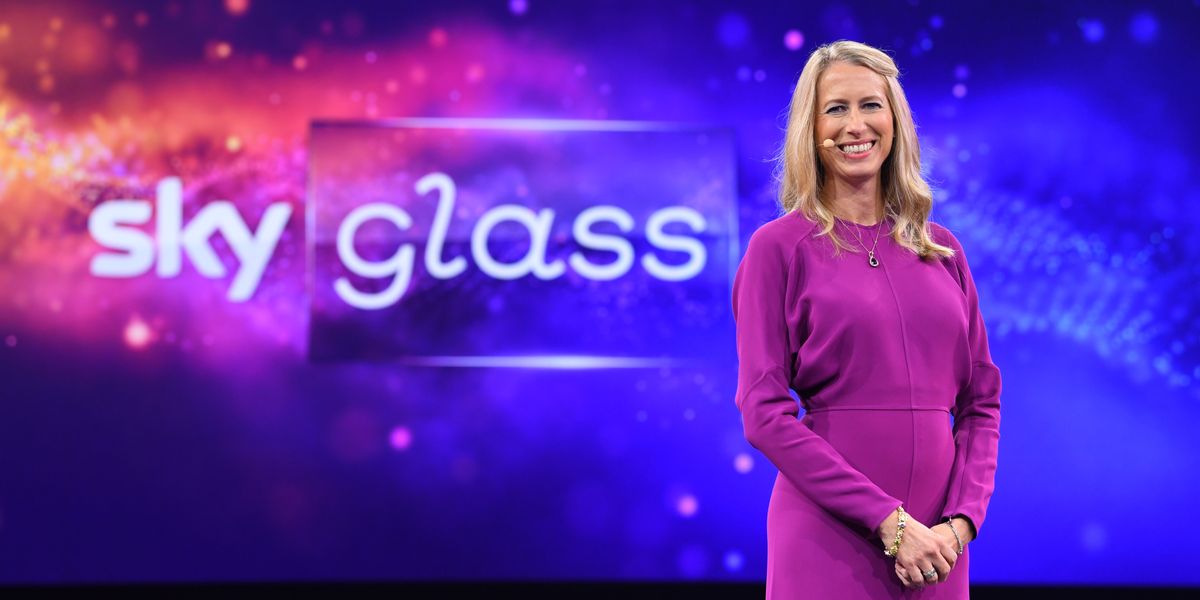
Sky agrees £1.6billion takeover of ITV entertainment to create Britain's largest commercial broadcaster
The proposed deal would combine Sky and ITV's entertainment businesses as they seek to compete with major US streaming platforms.
Latest Money
EconomyBritons could face short-term electricity price shock thanks to Labour's decarbonisation drive
EconomyAndy Burnham floats £14bn capital gains tax raid in HMRC overhaul
EconomyPower grid costs soar to £1m an hour as high winds force Britain to pay wind farms to switch off
EconomyStore closure 'DISASTER' looms as 100s of corner shops could shutter under price cap plan
More Money
Barclays confirms plans to open new high street branches in major update
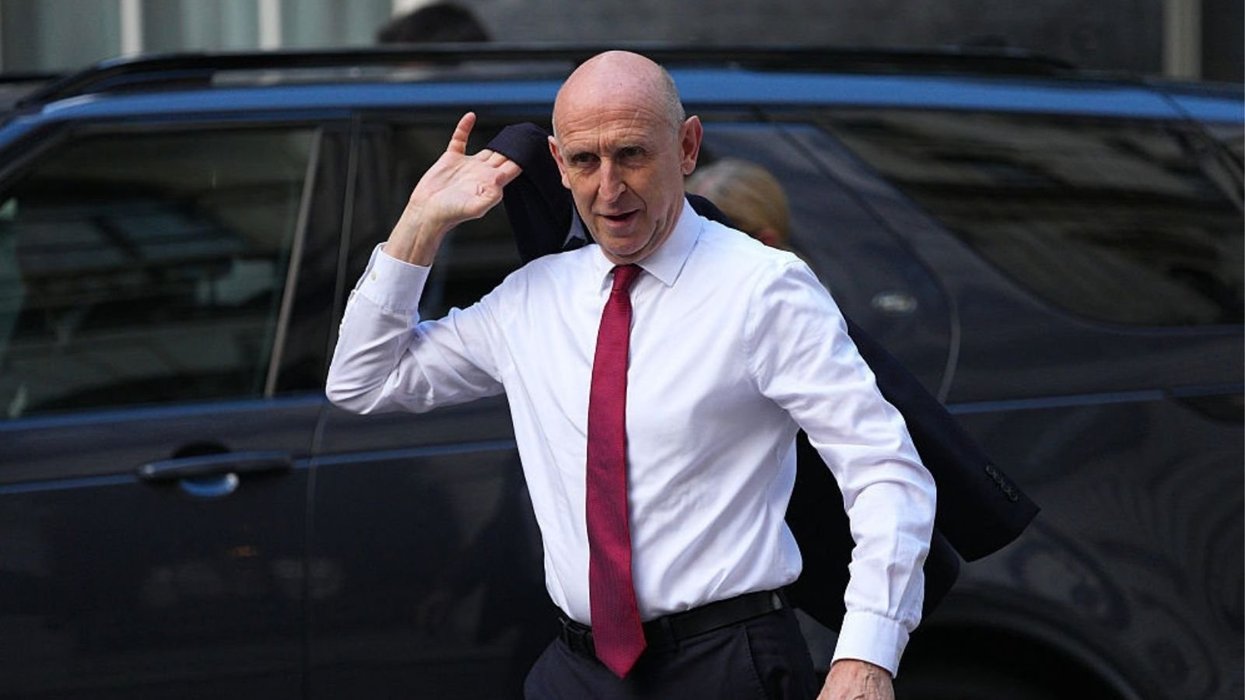
John Healey faces Budget blow as fiscal headroom SLASHED amid weak growth

Unemployment crisis: Labour's apprenticeship 'revolution' hires only 160 youths in 8 months

Millions of Britons warned of 'savings tax trap' that could land them with 'unexpected HMRC bill'
The number of people having to pay tax on their savings will almost double over two years
Archive

New limited edition savings account offers staggering 9 per cent interest rates for customers
Eligible customers can keep a minimum of £1 in their account to get the interest rate

Britons warned of 'overlooked £6,000 ticking time bomb' which could delay your retirement
A savings expert has warned a "crucial" step of retirement planning is "often overlooked" which could cost Britons thousands.
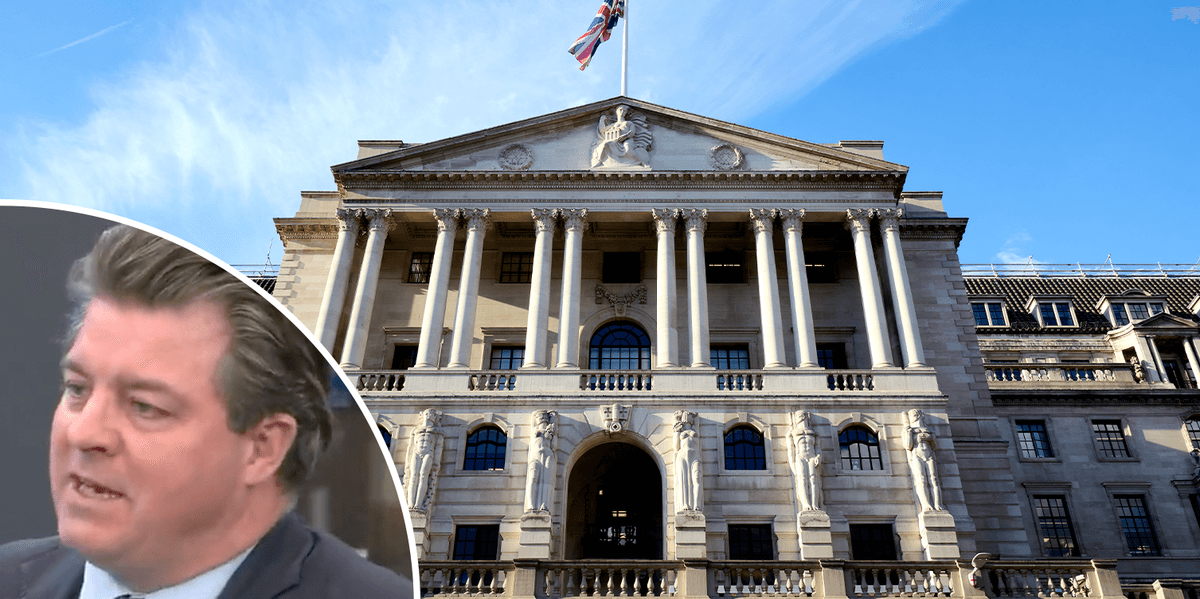
Bank of England ‘under siege’ as ‘absolute flagship’ group pulls out of UK debt market
Interest rates are continuing to rise
First Direct introduces huge interest rate offer - plus a £175 bonus
UK banks have been competing against each other in recent months in an attempt to attract customers.

Tesco announces major change to Clubcard scheme giving customers money off easyJet holidays
Tesco Clubcard holders can already save up to £385 a year through the loyalty scheme's regular discounts and offers

State pension to reach £12,000 next year - but triple lock could push millions into tax trap
Pensioners will be over £1,100 a year better off from April after the triple lock