Thank you for subscribing!
For June, the ONS reported GDP growth of 0.3 per cent as Chancellor John Healey attempts to course correct the economy
Britain's economy grew by 0.4 per cent between April and June, according to figures released this morning by the Office for National Statistics (ONS).
The gross domestic product (GDP) figure for the second quarter of 2026 comes after the economy contracted by 0.1 per cent in April before returning to modest growth of 0.1 per cent in May.
However, the ONS also confirmed that GDP jumped by 0.3 per cent in June despite growing concerns over the price of oil in response to conflict in the Middle East.
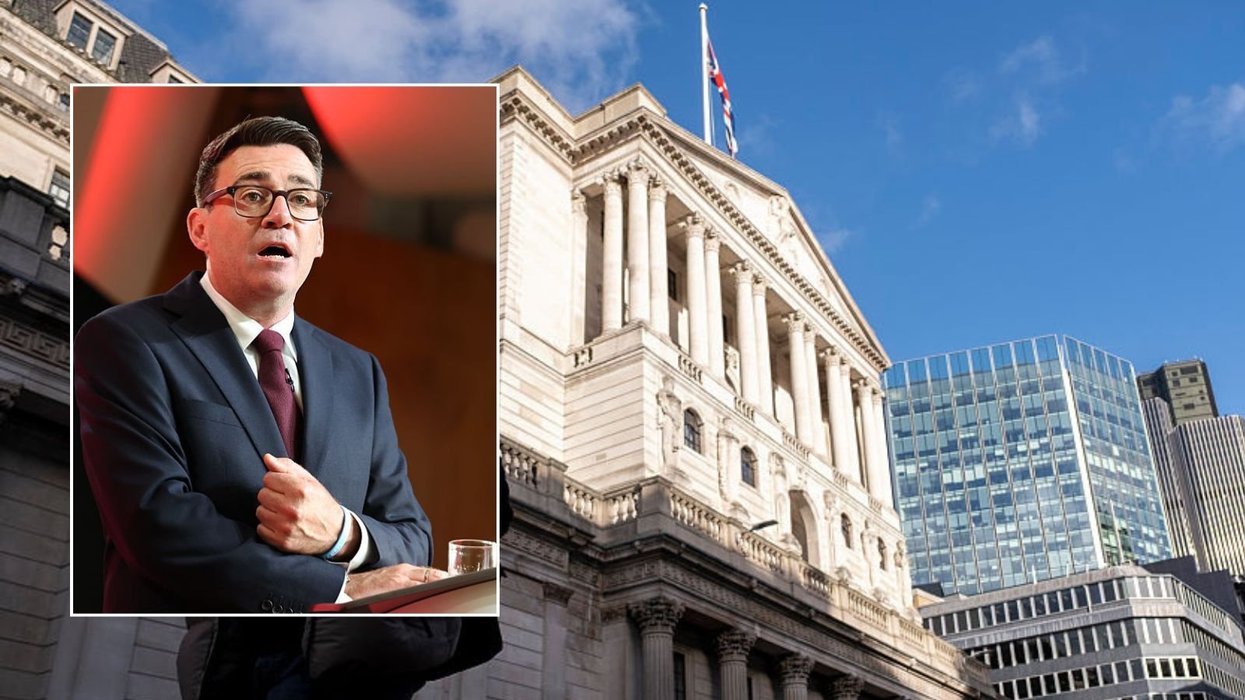
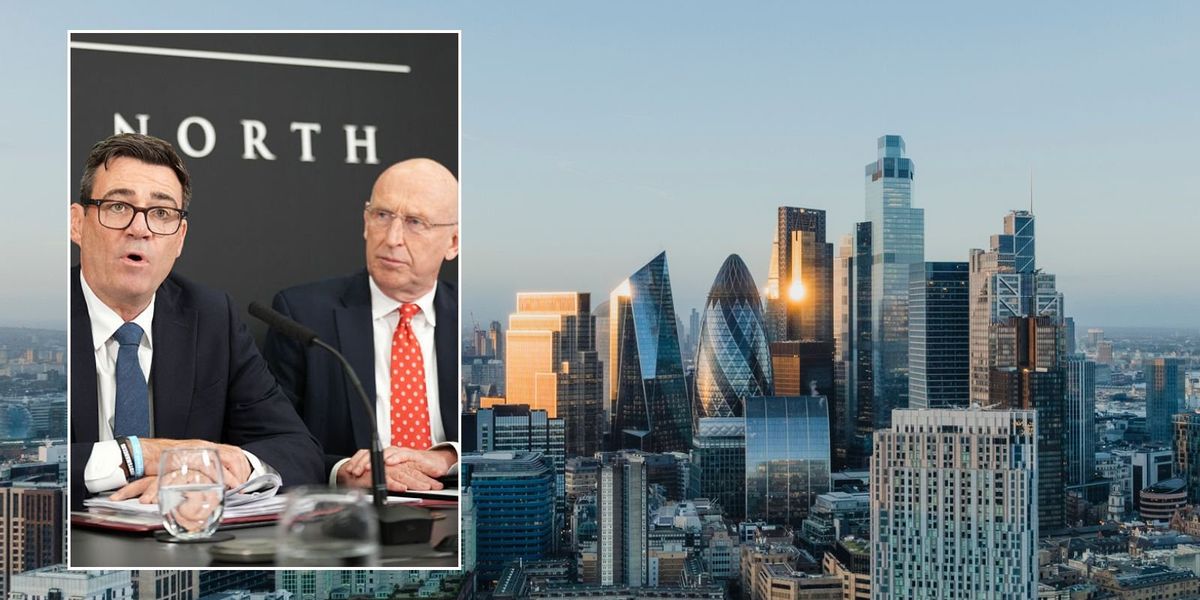
It represents the first full quarter of data to land on the desk of Chancellor John Healey, who took charge of the Treasury only last month following Andy Burnham's arrival in Downing Street.
Liz McKeown, ONS director of economic statistics, said: "Growth slowed in the second quarter of the year, following a strong start to 2026, but remained relatively robust.
"Services were once again the main driver of growth, while production was broadly unchanged and construction also grew."
On the figures, Mr Healey said: "I know people are worried about the impact of the conflict in the Middle East on their cost of living, which has been too high for too long and it has added pressure on British businesses.
"This is an active, hands-on government, putting British interests first – giving breathing space to those feeling the strain, making our country more resilient and bringing hope back.
"We’ve seen the fastest growth in the G7 this year, but we now need to double down and drive growth in every postcode.”
This latest economic update from the ONS comes after Treasury officials warned Mr Burnham that the UK faces meager growth next year if the US-Iran war does not come to an end.
Modelling shared with the Prime Minister revealed that the UK economy will barely grow in 2027 if disruption to the Strait of Hormuz linked to the Iran war continues until the end of 2026.
Said Treasury modelling indicates that the UK's GDP growth rate could slow down to as low as 0.3 per cent for the whole of next year.
It is understood that Government officials have shared they routinely plan for all possible scenarios, with this growth projection linked to a more extreme situation.
Suren Thiru, ICAEW's chief economist, said: "This was economic resilience with an asterisk as much of the second quarter's strength was driven by temporary factors, including Iran war-driven stockpiling by businesses, unusually warm weather and the World Cup, rather than genuine momentum.
"While stronger consumer spending and business investment imply that households and firms largely shrugged off the shockwaves from the Iran war, the growing financial squeeze sparked by the conflict means this upturn will be difficult to sustain.
"This slight second-quarter slowdown is likely to be followed by a more painful deceleration in Q3, as the squeeze on household incomes from higher inflation and energy costs increasingly stifle growth, particularly if pre-Budget speculation further dampens confidence.
"Expected weaker GDP growth in the second half of the year could make the Chancellor's Budget balancing act more challenging by increasing fiscal pressures and limiting his policy options at a time of heightened financial market volatility.
"Though these figures won’t knock rate-setters off their current hawkish positioning, the chances of a September rate hike remain slim, given expectations that softer economic activity in the months ahead will ultimately help contain inflation."