Thank you for subscribing!
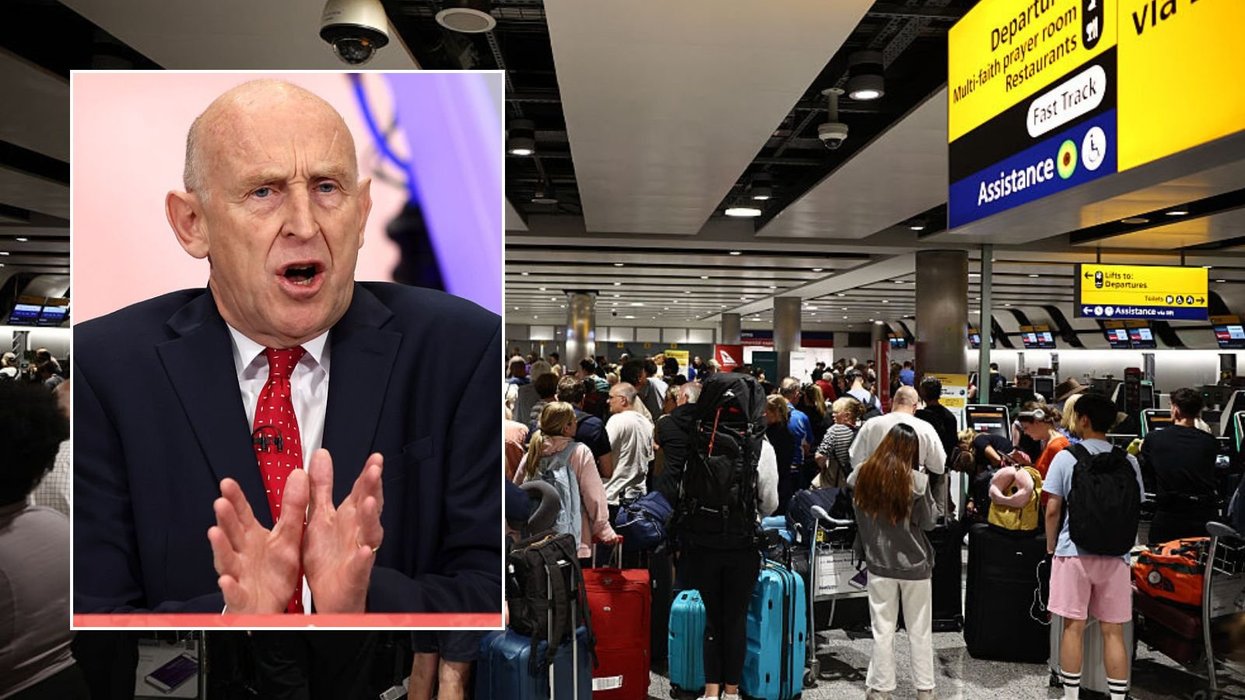
Chancellor John Healey has pledged to tackle the UK's unemployment crisis
Britain's unemployment rate remained stuck at 4.9 per cent in the three months to July, according to the latest figures from the Office for National Statistics (ONS).
While analysts had forecast an uptick to five per cent, the Labour Government is under pressure to tackle the growing number of youth not in employment, education or training (NEETs).
Notably, the number of people claiming jobless benefits climbed by 27,8000 in August, compared with a revised decrease of 11.8,000 in July and the expected 8,300 gain over the period.
As well as this, the ONS confirmed that UK average regular earnings growth also remained at 3.5 per cent over the three-month period.
However, average wage hikes were 0.8 per cent higher after factoring in consumer prices index (CPI) inflation.
Liz McKeown, ONS director of economic statistics, said: "Payrolled employee numbers continue to edge down, with falls over the past year particularly evident in the retail and hospitality sectors.
"Vacancies remain at their lowest level outside the pandemic period for more than a decade, with smaller businesses continuing to report that increased labour costs are affecting hiring decisions."
Suren Thiru, ICAEW' s chif economist, warned that the UK labour market continues to be in a "low-hire, low-fire funk" amid the US-Iran war, growing costs on employmers and uncertainty over the next Budget.
He said: "Weak wage growth suggests that elevated employment costs and softer hiring demand are holding back pay rises, intensifying cost of living pressures, particularly as inflation is set to continue edging higher.
"The ongoing drop in vacancies should set alarm bells ringing for the jobs market, as it suggests that demand for workers is wilting under the weight of soaring staffing costs, onerous regulation and increased automation.
"The UK labour market could be heading for a rockier autumn, as rising energy bills and pre-Budget tax uncertainty increasingly curb hiring intentions, resulting in moderately higher unemployment and lower pay growth.
"With growth holding up and inflation rising, a cooling jobs market is currently the last line of defence against a rate hike, as these figures offer hope that softer hiring and pay growth can limit the inflationary fallout from US-Iran hostilities."
Caterina Batog, research and economics analyst at the British Chambers of Commerce (BCC), added: "Unemployment remained at 4.9 per cent, in the three months to July, a clear indication of the continued stress businesses are feeling as they navigate a world of increasing costs. Another rise in youth unemployment is particularly concerning.
"Business investment intentions are at their lowest level since the pandemic, with confidence continuing to weaken as firms hold off on spending ahead of the Autumn Budget.
“Last week, the Chancellor outlined how vital business is to the government’s plans to grow the economy. But if firms cannot afford to take people on then progress will be slow.
“The BCC's most recent economic forecast suggests unemployment could reach five per cent by Christmas, with youth unemployment hitting 16.6 per cent, as firms continue to face pressure from high labour costs.
"Our cost stack calculator shows that costs for the average SME have increased by more than 70% in the last ten years due to successive governments’ policies.
"If the Chancellor wants to deliver on No10’s promise of growth in every postcode then he must back business and cut costs. That means cutting employer National Insurance contributions for all under-25s, to help tackle the youth employment crisis.
"And it means a targeted tax reduction package to ease energy and business rate pressures for all firms."