


Millions of Britons are finding it increasingly difficult to balance two of life's biggest financial goals: buying a home and saving enough for retirement.
Rising house prices and growing pension requirements are leaving many workers feeling they cannot realistically achieve both.
Lily Megson-Harvey, Policy Director at My Pension Expert, told GB News: "It is an unfortunate sign of the times that more and more savers are feeling they must decide between a house and a comfortable retirement."
Her warning comes as the cost of retirement continues to climb. According to the latest Retirement Living Standards from Pensions UK, a comfortable retirement now costs £45,400 a year for a single person, while a moderate lifestyle requires £32,700 and a minimum standard costs £13,900.
Despite these rising costs, only nine per cent of people are expected to achieve a comfortable retirement, while just 23 per cent are on track for a moderate standard of living. A comfortable retirement could require a pension pot of up to £845,000 alongside a full state pension.
At the same time, experts are increasingly concerned that more people will reach retirement without owning a home.
Figures discussed at the TISA Annual Retirement Conference in London suggested that private renters may need around £200,000 more in retirement savings than homeowners to achieve a comfortable lifestyle. Renting throughout retirement could increase the amount needed from around £800,000 to £1million.
The trend is already beginning to emerge as the latest English Housing Survey shows that 461,000 people aged over 65 are renting privately in England.
Research suggests the proportion of retired households renting privately could rise from around six per cent today to 17 per cent by the early 2040s, largely driven by lower homeownership rates among younger generations.
Ms Megson-Harvey added: "Instead, savers should be encouraged to explore options that empower them to do both. After all, we should be cautious about treating pensions as the solution. For many savers, accessing pension funds early could simply create bigger problems later on."
The growing tension between saving for a home and saving for retirement was a key topic at the TISA Annual Retirement Conference in London, attended by GB News.
Pension experts debated whether retirement savings should play a greater role in helping younger generations onto the property ladder as homeownership becomes increasingly difficult to achieve.
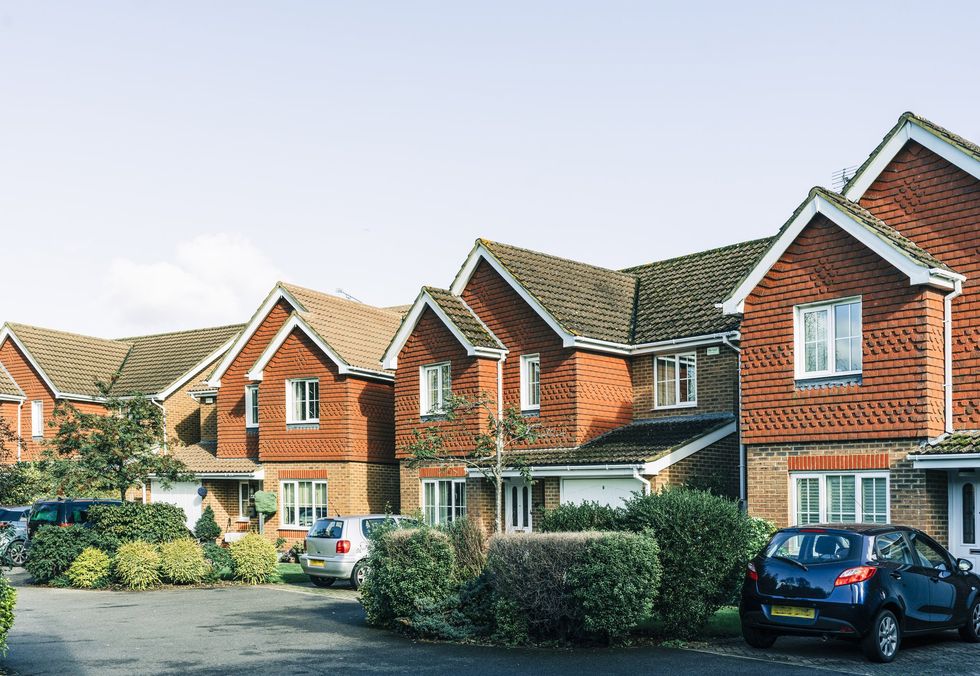
Pension experts debated whether retirement savings should play a greater role in helping younger generations onto the property ladder
|GETTY
Peter Glancy, Head of Policy, Insurance, Pensions & Investments at Lloyds Banking Group, argued that the root of the problem lies in housing supply. He said rising life expectancy, combined with a shortage of homes, is making it harder for younger people to buy property.
However, Richard Parkin, Head of Retirement at T Rowe Price, questioned whether pensions should be used to tackle the housing crisis.
He suggested that homeownership can itself be viewed as a form of retirement planning and floated the idea of giving workers greater flexibility over whether employer contributions are directed towards pension savings or a house deposit.
While renting in retirement is often viewed as a financial disadvantage, it can offer several practical benefits for some older people.
The arrangement provides flexibility to move closer to family, predictable monthly housing costs and freedom from the responsibility of maintaining a property.

Rising life expectancy, combined with a shortage of homes, is making it harder for younger people to buy property
|GETTY
Ben Klein, senior wealth manager at Tideway Wealth, told GB News: "Renting in later life offers some key advantages, including flexibility around location to be closer to children, as well as predictable monthly costs and the absence of ongoing maintenance costs."
He added: "It can also allow retirees to release equity within their house to support their spending and to gift money to children during their lifetime, potentially improving their inheritance tax position."
However, those benefits need to be weighed against the long-term financial realities of renting in later life, particularly for retirees living on fixed incomes.
Mr Klein warned that renting throughout retirement can expose people to rising housing costs and a lack of long-term security compared with owning their own home.
He said: "However, it presents major financial disadvantages, particularly the commitment to paying ongoing rent, the exposure to rent inflation, and the lack of financial and emotional security a main residence provides."
 Nearly half of older homeowners lack sufficient income for even a modest retirement | GETTY
The Government is facing increasing pressure to address later-life housing reform, with industry figures expressing frustration that little progress has been made since the Older People's Housing Taskforce published its recommendations 18 months ago.
Joanne Couch, Director of Finance and Operations at My Future Living, said the taskforce had made clear that the UK urgently needs more suitable housing choices for older people, yet meaningful action has yet to follow.
She added that many retirees are already opting for rental accommodation because it offers flexibility, reduced stress and access to supportive communities.
Not all experiences of retirement renting are negative. Michael Broome, 80, and Anna Harvey, 70, moved to a development in Harwich, Essex after losing their previous rented bungalow following probate.
Mr Broome said: "Now we feel like we're on holiday. We go to the sea every day to sit and watch the waves or walk along the front."