Thank you for subscribing!
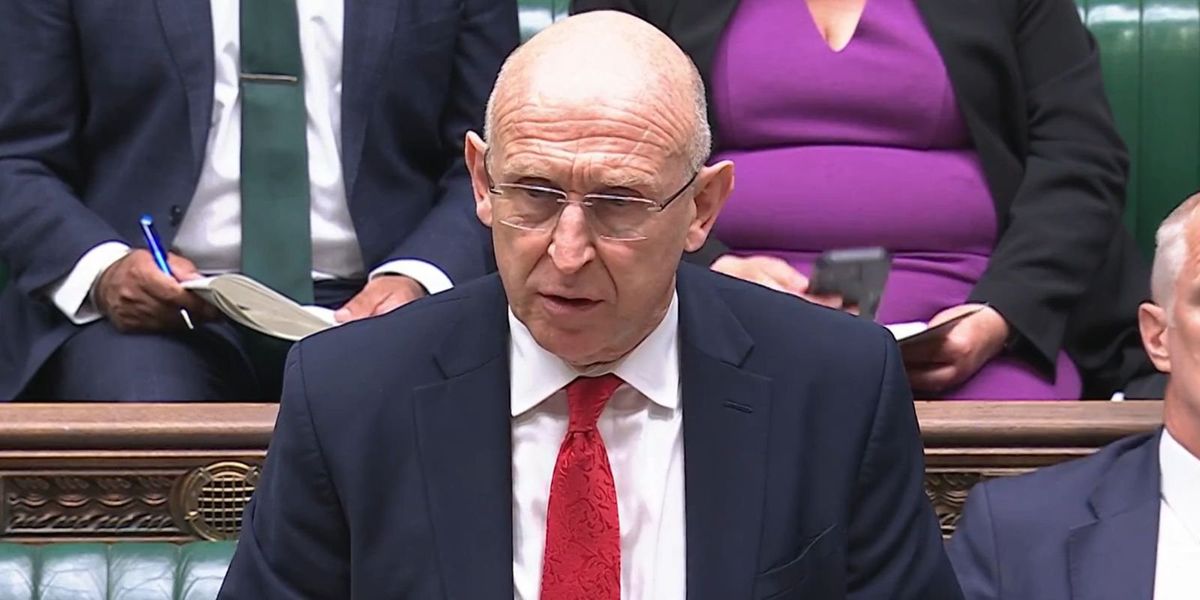
Chancellor Healey has pledged that his fiscal plans would be "built on fiscal discipline"
Chancellor John Healey has received a stark warning from one of the world's most powerful banking figures against hiking taxes on the financial sector ahead of his maiden Budget.
Mr Healey is set to unveil his first Budget on October 28, with further meetings with senior banking figures expected in the coming days.
Jamie Dimon, the chief executive of JP Morgan, cautioned Mr Healey during a telephone conversation that increasing the tax burden on banks risks driving both employment and investment capital out of Britain, according to the Financial Times.
The head of the US investment banking giant reportedly argued against imposing a windfall levy on banking profits or broader wealth tax increases, with a person familiar with the discussion confirming the exchange to the newspaper.
Mr Dimon pointed to a reduction in financial services positions in New York as evidence of what excessive taxation can cause, attributing the decline partly to the city's tax regime.
The JP Morgan chief has long been a vocal critic of the UK's corporation tax surcharge for banks.
Speaking on the Master Investor Podcast earlier this month, he described the levy as fundamentally unfair.
"JP Morgan did not damage the UK I just thought it lacked principle to punish a company that had nothing to do with the crisis, and is still there 16-17 years later," Mr Dimon said.
On the prospect of a rate increase, he warned: "If the Government decides to do it then there's nothing I can do, but it will over time cause decisions to be made that they may not like."
"If you have an uncompetitive tax system, capital leaves your country and goes to other countries," he added, noting the flight of firms from London's stock markets over recent years.
The Trades Union Congress is meanwhile pressing the Government to raise the windfall levy from its current rate of three per cent to a minimum of eight per cent, a move it claims would generate £9billion in additional Treasury revenue over a four-year period.
Mr Dimon's intervention comes as Mr Healey grapples with competing spending demands.
Appointed by Prime Minister Andy Burnham last month, the former defence secretary must find resources to deliver on devolution commitments, bolster military expenditure, and introduce measures to ease household costs, including plans to strip VAT from energy bills and lower business rates for pubs.
Mr Dimon stressed that he wanted "to see the UK thrive," but cautioned that he would not wish to see capital flight "if I was running a country."
The Chancellor faces a narrow path to balance the books. The National Institute of Economic and Social Research has cautioned that pressure on public finances leaves virtually no scope for additional borrowing, meaning Mr Healey must choose between raising taxes or making cuts elsewhere.
Mr Healey has pledged that his fiscal plans would be "built on fiscal discipline" and would adhere to the budgetary rules established by his predecessor Rachel Reeves.
The challenge for the Chancellor is acute: satisfying demands from unions and spending departments whilst heeding the concerns of major international employers such as JP Morgan, which remains one of the City's largest private sector employers.
Further discussions between Mr Healey and other banking executives are understood to be scheduled for the days ahead.