Thank you for subscribing!
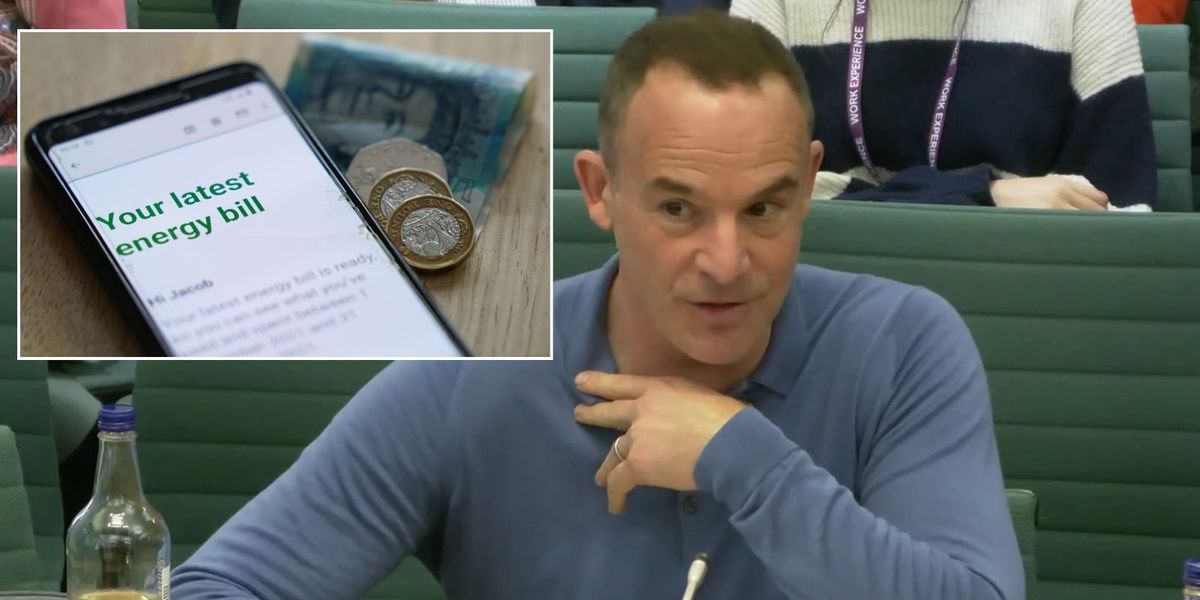
Millions of households could cut their energy costs by around 20 per cent this winter by acting before bills rise again, according to Martin Lewis.
His warning comes after Ofgem confirmed the energy price cap will rise by four per cent from October 1.
The money-saving expert has urged consumers to consider fixing their energy tariff now, describing the potential savings as a "no-brainer".
His warning comes after Ofgem confirmed the energy price cap will rise by four per cent from October 1, adding around £60 a year to the typical household bill.
Writing on X, Mr Lewis explained that the cheapest fixed energy deals are currently around seven per cent below the existing price cap.
Once the higher October cap takes effect, those deals would be around 10 per cent cheaper than the default variable rate, assuming the fixed tariffs remain available at their current prices.
The outlook could become even more expensive for households in the new year.
Wholesale gas and electricity prices have risen sharply amid the ongoing conflict in the Middle East, increasing the amount suppliers have to pay for energy.
Mr Lewis said wholesale prices have reached levels he has not seen since the energy crisis following Russia's invasion of Ukraine.
Current forecasts suggest the price cap could rise by a further 10 per cent in January, although Mr Lewis stressed that predicting future prices involved some "crystal ball gazing".
If that increase materialises, households securing one of today's cheaper fixed tariffs could be paying around 20 per cent less than those remaining on the default rate by January.
Mr Lewis said this would make fixing now a "no-brainer" for households able to secure one of the cheaper deals.
Energy expert Gareth Kloet at Go.Compare echoed the advice. "Generally speaking, comparing energy providers and switching to a fixed tariff now will likely be the best way for most customers to save on their energy bills, especially for those on a variable tariff who are more exposed to changes in the price cap," he said.
Mr Kloet added that locking in a unit rate for the duration of a contract should shield customers from the October increase at the very least. The precise savings would depend on individual usage and existing deals.
However, he flagged one important consideration. Customers already on a fixed tariff may face exit fees if they switch provider, and those charges could potentially cancel out any savings.
There is also the trade-off of missing out on any future price drops during the contract period.
Mr Lewis did acknowledge that fixed deals have already become more expensive compared with a month ago, as wholesale prices have continued to climb.
He also noted that if the Middle East conflict were to ease, cheaper fixes could become available in the coming weeks.
"But nobody knows because it's all about the big orange fella in the White House and what he decides to do," he said.
For those who like to play the market or are just coming off an existing fix, Mr Lewis conceded there may be merit in holding out for a better deal.
But for the majority of households currently sitting on the price cap, his verdict was clear: fixing today remains the safest course of action.