


A British knitwear brand has entered voluntary liquidation and ceased trading after spending more than four decades manufacturing clothing in England.
Original Blues, the family‑run company founded in 1985, passed resolutions to wind up the business at a general meeting on June 4, bringing an end to more than 40 years of trading.
The liquidation will be overseen by Umang Patel of Neum Insolvency, who has been appointed to realise the company’s assets and distribute funds to creditors before the business is formally dissolved.
The company’s online store has already been taken offline and is now password‑protected, signalling the end of operations for the long‑established retailer.
Original Blues built its reputation supplying cotton knitwear to British consumers and remained committed to domestic manufacturing throughout its history.
All garments were produced in England, with the brand specialising in cotton‑only clothing. Its collections became particularly well known for Fair Isle knitwear and nautical‑inspired designs.
The company also developed a popular Indigo collection using traditional dyeing techniques, which it described as creating a “living colour” effect resembling denim.
Its range included sweaters, cardigans, jackets and accessories for men and women.

Original Blues enters liquidation after 41 years as British knitwear brand ceases trading
|GETTY
The collapse adds to a growing list of casualties in Britain’s struggling fashion and retail sectors.
Earlier this year, Quiz entered administration for the second time in less than 12 months before closing all stores.
LK Bennett and Claire’s also shut their UK store networks in April following separate administrations, while Leading Labels is currently winding down operations across its remaining 15 stores.
Retailers continue to face rising operating costs, higher wage bills and increased property‑related expenses. Industry figures warn that further closures are likely as businesses attempt to absorb additional financial pressures.
High streets across Britain have already experienced significant store losses, leaving many town centres with growing numbers of vacant premises.
LATEST DEVELOPMENTS:
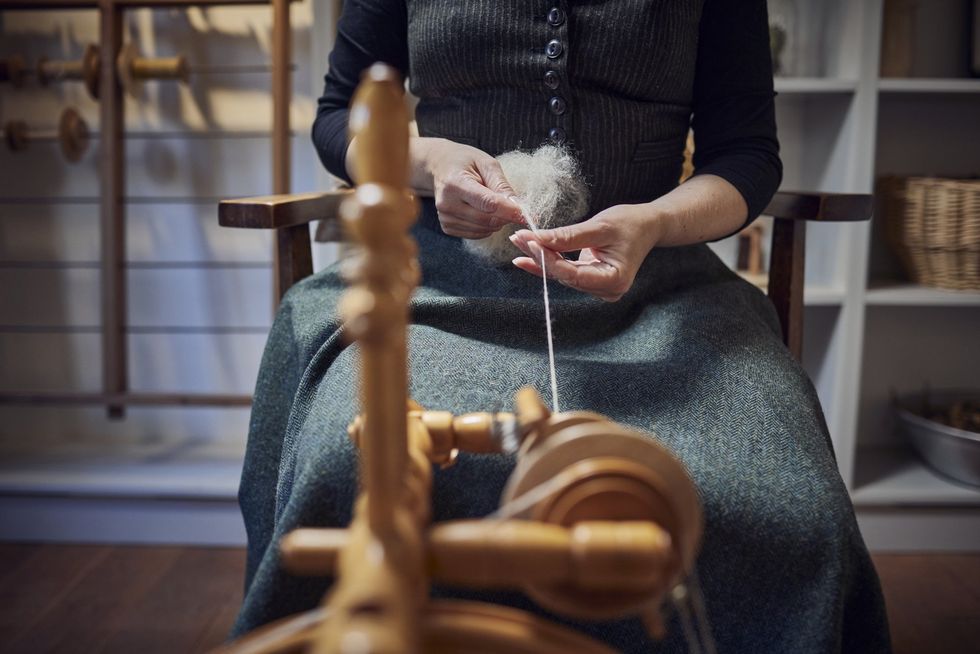
Research cited in a parliamentary briefing found that increases in business rates can affect business survival and employment levels
|GETTY
Concerns have also been raised about the impact of business rates reforms introduced in April 2026, which replaced previous relief schemes with a tiered system linked to property values.
Some industry groups argue the changes could increase costs for businesses already operating on tight margins.
One study concluded that a one per cent rise in business rates was associated with an approximately one per cent reduction in manufacturing employment.
The UK ranks as the third‑highest country in the OECD for the proportion of Government revenue generated through business property taxes.