Thank you for subscribing!
Reform UK claims the entire package would deliver £50billion in annual savings to the welfare bill
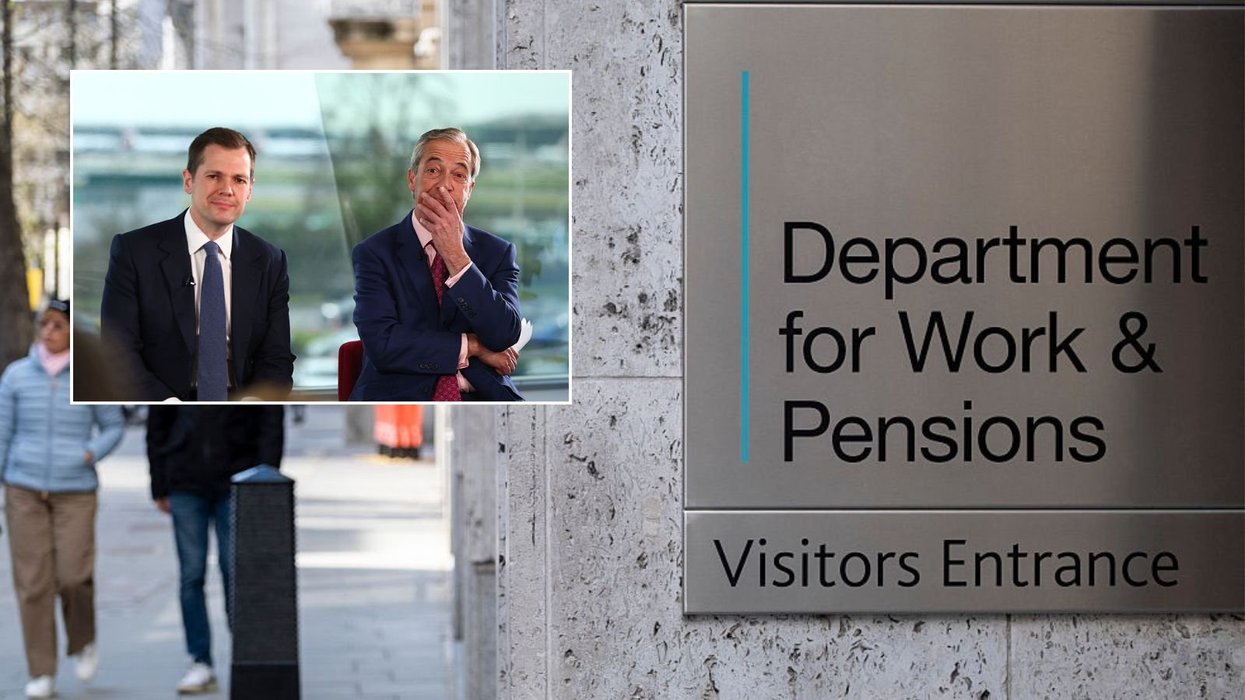
Reform UK has proposed a sweeping overhaul of the benefits system that would see close to three million people's disability and sickness payments either removed or altered.
The party's plans, which represent policy proposals rather than confirmed government legislation, would scrap personal independence payments and the health-related component of Universal Credit for working-age adults.
In their place, the party would establish a new health security allowance restricted to those it describes as the "gravely ill and severely challenged."
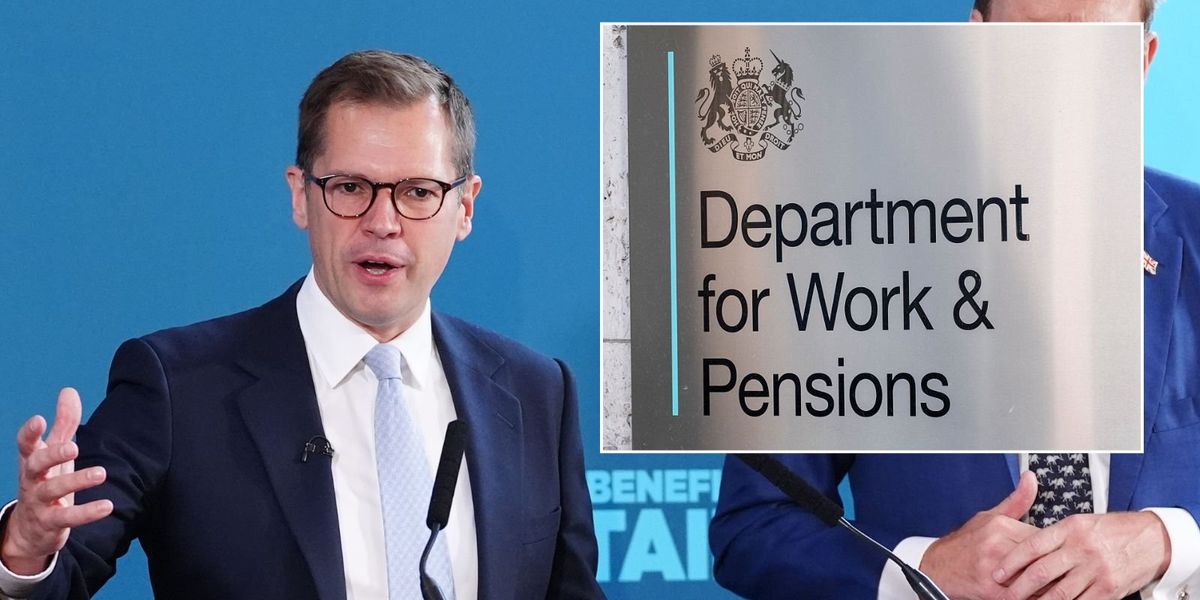
Robert Jenrick, Reform's Treasury spokesperson, pointed to 6.9 million people currently in receipt of disability benefits, arguing: "This is not an epidemic of broken backs and lost limbs."
He highlighted that the proportion of working-age individuals claiming on mental health and behavioural grounds had tripled since 2002.
Party leader Nigel Farage and Mr Jenrick jointly described the existing welfare system as "a moral and fiscal catastrophe," insisting that "a welfare system that allows people who could work to remain dependent is not compassionate."
The proposals were developed over several months with input from experts, including former DWP officials.
Under the reformed system, additional cash support beyond standard Universal Credit rates would be channelled through a new Personal Independence Payment and Health Security Allowance (PIP/HSA), available only to those meeting a strict threshold of severity.
Qualifying conditions would encompass terminal illness, severe permanent physical disability, profound learning disability, severe autism requiring substantial support, enduring serious mental illness, major neurological disease and significant brain injury.
Those highly reliant on assistance for everyday living, or whose conditions are irreversible, deteriorating or unlikely to improve, would also be eligible where prognosis or safeguarding concerns warranted ongoing financial support.
Fresh claimants who passed this gateway would receive a flat-rate monthly payment of £429.80 at 2026/27 rates, matching the current higher LCWRA element for severe lifelong conditions.
Combined with the standard Universal Credit allowance, a single person aged 25 or above would therefore take home £854.70 per month before any additions for housing, children, caring responsibilities or other relevant elements.
Recipients of the allowance would not be subject to standard work requirements, though they could take up employment voluntarily.
New claimants meeting the severity threshold would also gain access to a Disability Support Account, designed to cover verified additional costs arising from their condition.
Existing claimants whose current awards were preserved would not receive this account on top of their protected payments.
Current PIP and Universal Credit health claimants with mental health or conditions deemed trivial would face reassessment over a three-year window.
Those who satisfied the new gateway would keep the cash value of their existing awards. All other claimants would not enter the reformed system for at least three years.
The party would require all long-term claimants judged capable of working to contribute through community work.
British citizenship would become a prerequisite for accessing nearly every form of benefit.
Employers could be compelled to take out "return to work cover" insurance, funding the first two years after a worker is signed off sick.
Anyone still out of work after that period would undergo a single in-person assessment intended to "screen out vexatious and fraudulent claims."
Several groups would be shielded from the changes: state pension age recipients, severely disabled individuals, and all children currently on child DLA. The two-child benefit cap would also be reinstated.
Reform claims the entire package would deliver £50billion in annual savings to the welfare bill, amounting to roughly £1,700 per family each year. The party projects that 241,000 British nationals would return to employment by 2030 if the measures were enacted now.
According to the party's own figures, the welfare bill excluding pensions cost the typical family more than £5,600 last year, a sum it warns will climb to nearly £7,000 per family annually by 2031 under Labour.
Mr Farage and Mr Jenrick stated that the freed-up funds would be directed towards "tax relief and public services for British families."
Labour dismissed the £50billion savings figure as "fantasy economics," arguing that stripping claimants of their payments would simply transfer costs to businesses.
The party's proposals also envisage tighter enforcement against fraud and error, alongside minor technical adjustments to benefit indexation to squeeze further reductions from the budget.
Reform framed the programme not merely as a fiscal exercise but as what Mr Farage and Mr Jenrick called "a moral crusade to restore fairness to a welfare state we once prided ourselves on."