


Young parents claiming Universal Credit are losing out on up to £1,600 a year because they receive lower payments than older claimants, campaigners have told MPs.
Charis Chittick from One Parent Families Scotland raised concerns about what has been described as a "young parent penalty" during a joint session of the Work and Pensions Committee and Education Committee on Wednesday.
Ms Chittick said parents under 25 receive a reduced standard allowance compared with older claimants despite facing the same costs associated with raising children.
She told MPs: "That is where under-25s are paid a lower rate of Universal Credit than over-25s."
Ms Chittick added: "That used to be mitigated for young parents; it is not any more."
She urged ministers to reconsider the policy, saying: "We really need to see that policy changed to protect children and families as well."
Under current Universal Credit rules, single claimants under 25 receive a monthly standard allowance of £338.58, compared with £424.90 for those aged 25 and over.
The difference amounts to £86.32 each month, leaving younger single parents more than £1,000 worse off over the course of a year.
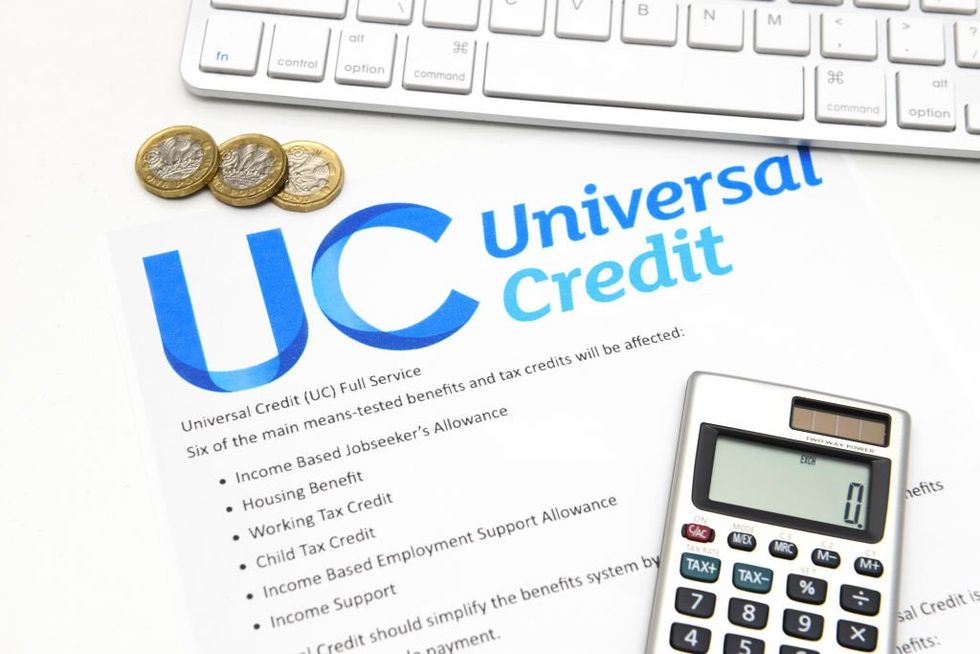
'We really need to see that policy changed' as young parents lose out on up to £1,600 a year in Universal Credit
|GETTY
For couples, households where both partners are under 25 receive £528.34 a month.
Couples in which at least one person is aged 25 or older are entitled to £666.97 a month, representing a difference of £138.63 each month.
Over a full year, this gap amounts to more than £1,600 in reduced support for younger families.
Campaigners noted that protections previously available to young parents have since been removed.
LATEST DEVELOPMENTS:

The Department for Work and Pensions (DWP) has defended the age-related structure of Universal Credit payments
| GETTYA department spokesman highlighted the additional support available through Universal Credit to help with housing, childcare and children, noting that working families can reclaim up to 85 per cent of eligible childcare costs.
The DWP has also argued that younger workers generally earn less than those over 25 and are more likely to live in another person's household, resulting in lower living costs.
The department said the lower rate for under-25s is also intended to encourage younger people to move into employment and develop their careers.
Ministers have pointed to the Government's Child Poverty Strategy, which they say is expected to lift 550,000 children out of poverty by 2030 and would represent the largest reduction achieved during a single parliament.
Families claiming Universal Credit may also qualify for additional support beyond the standard allowance.
Parents can receive an extra £303.94 a month for each child living with them.
Families with a disabled child who qualifies for certain benefits may receive an additional £164.79 a month at the lower rate or £514.71 a month at the higher rate.
Child Benefit is also available, paying £27.05 a week for a first or only child and £17.90 a week for each additional child.
The Government has also highlighted above-inflation increases introduced under the Universal Credit Act 2025.
Single claimants under 25 are expected to receive an additional £255 this year, which ministers said is more than £110 above an inflation-linked increase.
Young couples are set to receive around £365 extra, which the Government said is approximately £140 more than would have been provided through an inflation-only uplift.