Kenyan MPs accused servicemen stationed in the country of operating within 'a culture of impunity'
British Army soldiers have been banned from training in Kenya, with the African country's legislature branding troops an "occupying presence".
The Kenyan Government has said no to ratifying a defence agreement with the UK after the country's MPs called for greater powers to prosecute British troops following the death of a young woman in 2012.
The move means that licenses for British soldiers to train in the east African nation have not been signed - despite the UK Government pushing to renew the agreement.
Kenyan politicians had called for local authorities to have the power to prosecute any troops who commit crimes while in the country.
At the moment, British soldiers are subject to UK jurisdiction while on duty.
It is also believed a dispute emerged between the two governments over how much Britain should pay to use facilities at the British Army Training Unit Kenya (Batuk).
The row comes 14 years after the death of a 21-year-old Kenyan woman, Agnes Wanjiru, who was allegedly murdered by a soldier stationed in Nanyuki.
Her body was found in a hotel septic tank three months after she spent an evening with British soldiers.
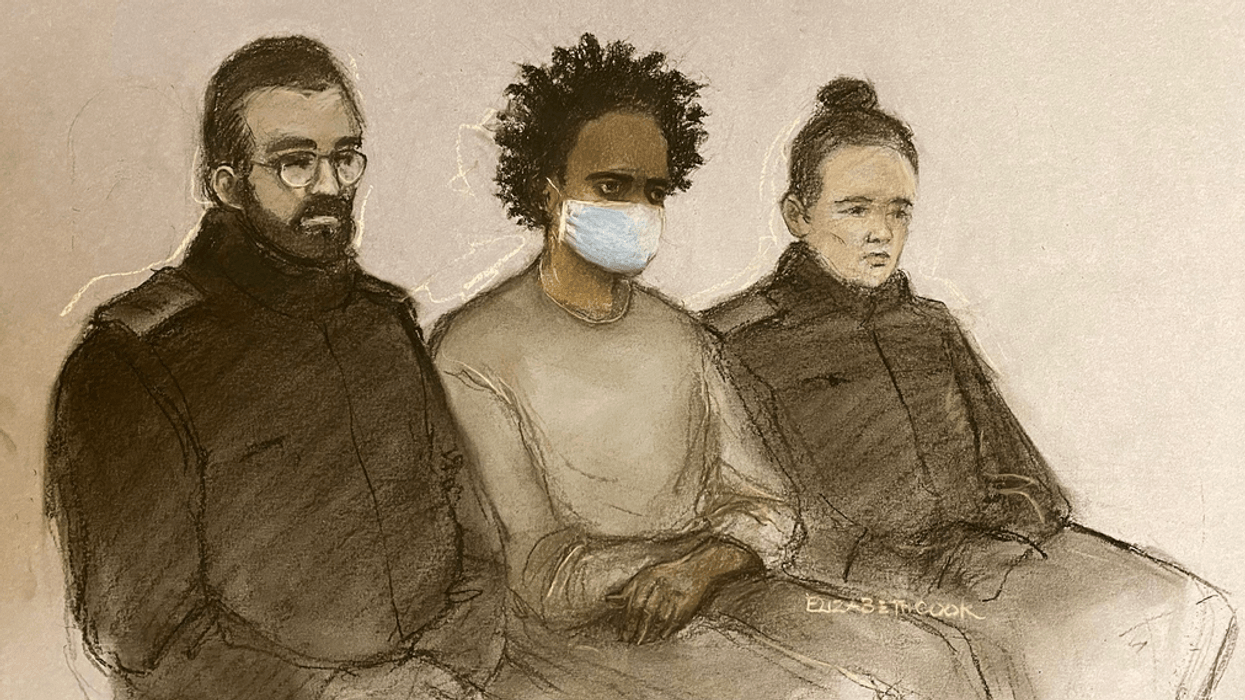
Ex-serviceman Robert James Purkiss has been accused of murdering Ms Wanjiru and is now facing extradition to Kenya to stand trial.
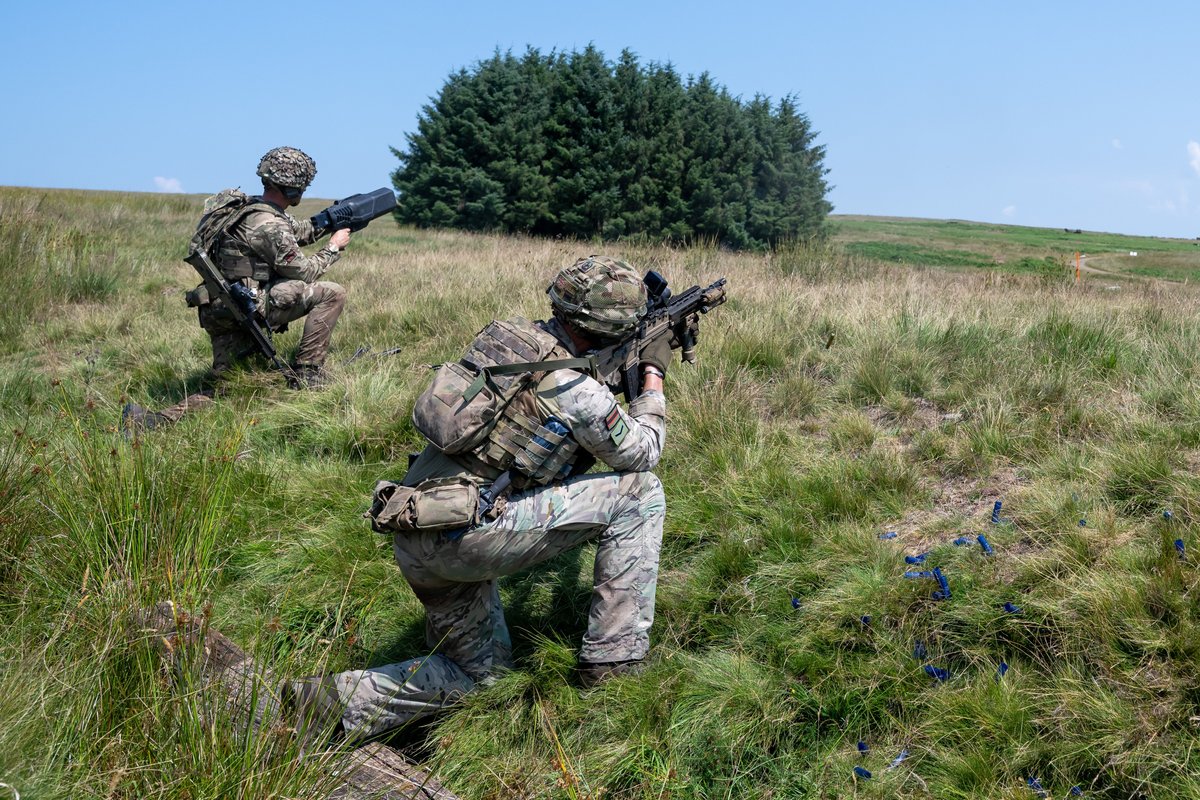
The refusal to ratify the agreement means that a major exercise involving the 1st Battalion, the Duke of Lancaster’s Regiment, scheduled to start in September, has been axed at the 11th hour.
The troops are now expected to carry out their training on Salisbury Plain.
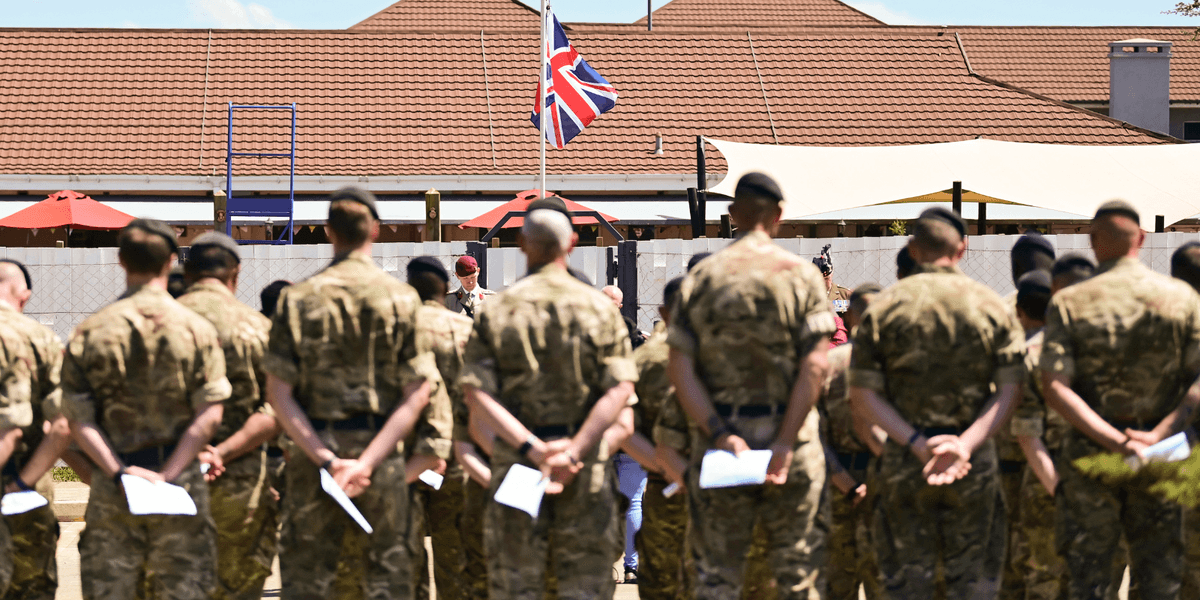
Kenya’s parliamentary committee on defence, intelligence and foreign relations published a report in December claiming British soldiers stationed at Batuk in Laikipia acted with “a culture of impunity”.
The report, which came following a two-year inquiry, accused servicemen of carrying out killings, sexual abuse and human rights violations while on duty.
The 94-page review said that Batuk was “increasingly seen as an occupying presence rather than a development partner, with affected residents drawing parallels to colonial injustices”.
BRITAIN'S ARMED FORCES - READ THE LATEST:
While referencing the death of Ms Wanjiru, the report said that the “pursuit of justice has been slow and fraught with frustration”, and accused British personnel of “undue interference and obstruction" in the probe into her murder.
It also claimed to have found “compelling evidence” of sexual violence against women from Samburu and Maasai communities by soldiers stationed at Batuk.
The document added that these cases "remain unresolved" and that the alleged victims are yet to receive justice.
Batuk has been one of Britain's most valuable overseas training facilities, with 26 exercises carried out since 2019.
It also remains a vital hub for training Kenyan troops - with more than 1,000 east African soldiers trained at the site every year.
A Government spokesman said: “It is with regret that the necessary licences required to allow training to take place in Laikipia later this year have not been forthcoming.
"As a result, the planned training will now be conducted at an alternative location outside Kenya.
"We recognise the disappointment this decision will cause for those who would have benefited from the economic activity generated by the exercise.
"All UK training activity in Kenya is dependent on the permission from the Government of Kenya.
“We remain committed to our defence partnership with Kenya and the continued British Army Training Unit presence in the country.
"We will continue to engage closely with the Kenyan Government to support the resumption of training in-country at the earliest appropriate opportunity.”