Thank you for subscribing!
RAF and Royal Navy reserves have similarly been ordered to identify in-year savings, though the Army's reserve forces face the steepest cuts
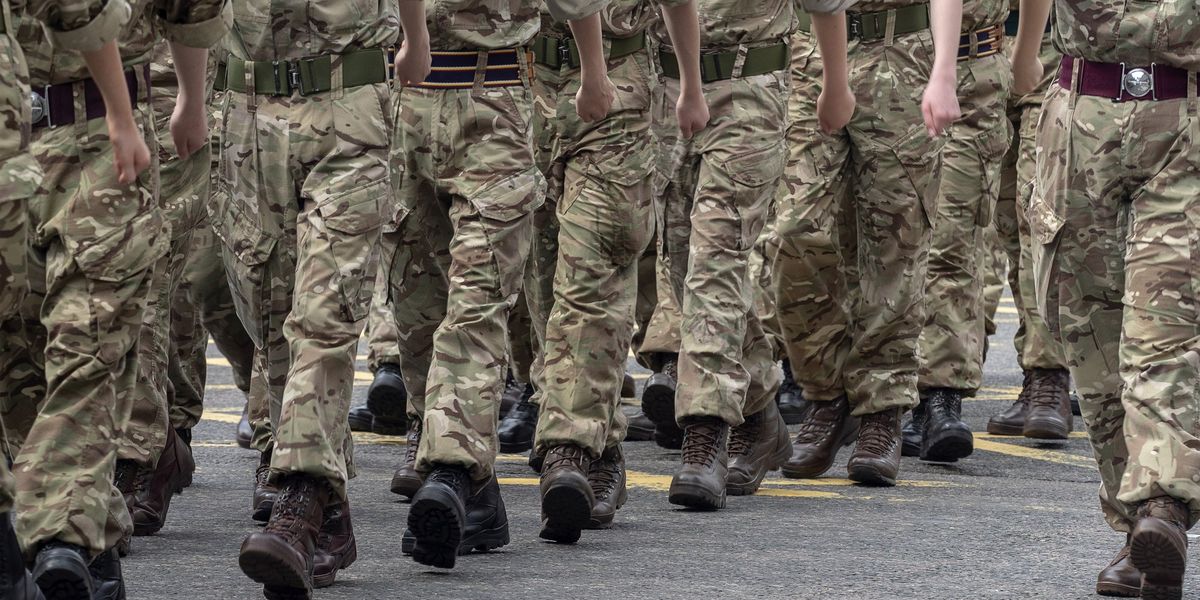
British Army reservists have been "stood down for days" amid military budget cuts, it has emerged.
Army reserve commanding officers have been told they must find budget savings before the end of the year, resulting in each reservist reportedly losing an average of four to six service days.
The reductions will not only curtail training but are also said to hamper work to protect critical national infrastructure and cyber warfare operations.
A military source told the Telegraph: "There is no such thing as just 'training'. It is about maintaining a credible deterrent and the ability to deploy force at readiness."
They added: "It is impossible to do this with a regular and reserve Army sitting on its rucksack."
The timing of these cuts is particularly damaging, a military source noted, because the annual camp, which accounts for the largest block of reserve service days, has already concluded, meaning the remaining months will bear a disproportionate burden.
Britain's regular Army has shrunk to roughly 70,000 full-time soldiers, a level not seen since the Napoleonic era.
That decline has pushed reserves into a more operational role, filling gaps regulars can no longer cover.
The cuts come amid repeated warnings that Britain's armed forces are too hollowed out to wage a war against Russia.
On Monday, Armed Forces minister Louise Sandher-Jones said the Government was preparing to mobilise veterans, with a potential Russian conflict as early as 2030.
Steve Barclay, the former Conservative cabinet minister, challenged the Government's willingness to strengthen Britain's war footing while simultaneously slashing reserve service days.
He told The Telegraph: "It's a huge mistake. There is a misunderstanding about the reserves. They infill lots of roles they aren't just there for war. There is a lot of ongoing support. The reserves are doing valuable stuff day in day out.
"They aren't an insurance policy to call upon in case the Russians do anything."
Mr Barclay put a written parliamentary question to Defence Secretary Wes Streeting about whether changes to reserve service days had been agreed for 2026-27.
Defence minister Calvin Bailey replied that the Army did not fix a set number of reserve days and that allocations differed between individuals.
Mr Barclay accused ministers of "brushing off" a concern he had "first flagged at the start of the financial year".
He added: "In his first Prime Minister's Questions, Andy Burnham said he chose a Chancellor who is prioritising defence.
"So how is it that a time when the Prime Minister is warning the national threat has increased and we need to build more resilience, cuts are being made to the reserves which directly support operational output and are an important part of the country's national resilience?"
Lord de Mauley, who chairs the Council of the Reserve Forces and Cadets Associations, warned that reducing service days sends "the wrong impression to your reservists".
He told The Telegraph: "It says: you don't matter. What does that do for morale and recruitment of people?"
Lord Harlech, himself a reservist serving with 1st Battalion London Guards, has tabled several amendments to the Armed Forces Bill currently progressing through the Lords.
He called on the Government to "put more focus on the active volunteer reserves" as the country ramps up its war readiness.
He highlighted that reservists must maintain deployment fitness without the medical and dental funding available to regulars.
Lord Harlech has also proposed granting reservists ten days of unpaid employer leave, reimbursed by the military.
A Ministry of Defence spokesman told GB News: "The Reserves make a significant contribution to the defence of the country, bringing specialist skills which form a critical part of our whole force.
"Their training continues as we prioritise activity which contributes most directly to readiness, deployability and operational effectiveness.
“Reservists do far more than train: they contribute directly to operational effectiveness at home and overseas, and those priority commitments will continue to be protected."