'It is unacceptable that an officer who goes out to face danger on behalf of the public has his life put on hold for that period of time,' he said
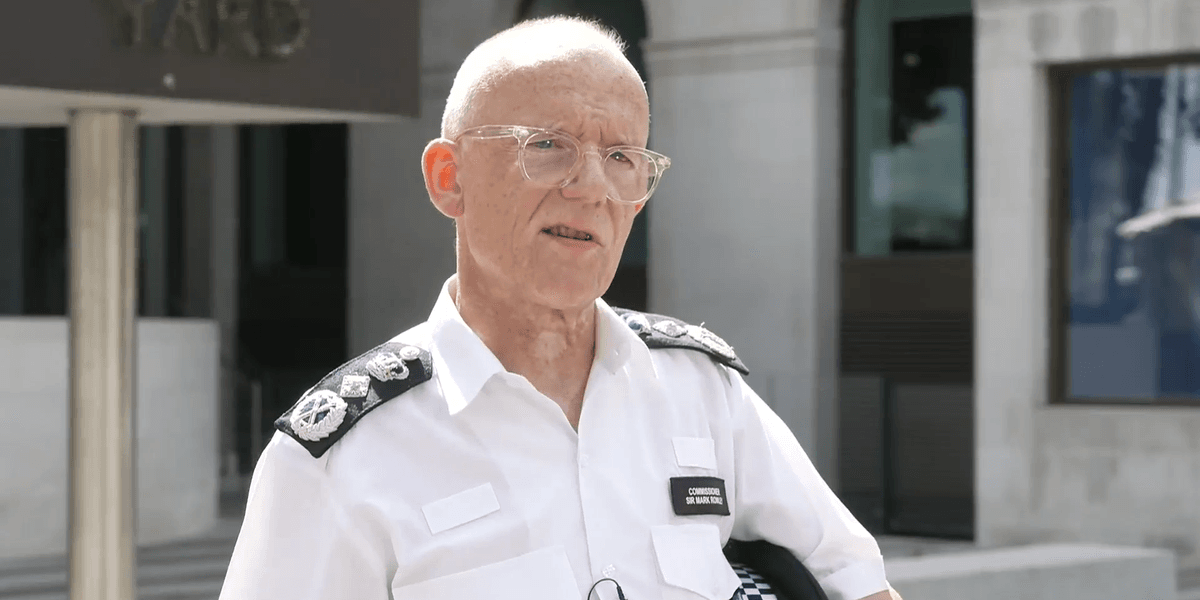
Metropolitan Police Commissioner Sir Mark Rowley has issued a statement after the officer who shot Chris Kaba will NOT face disciplinary proceedings.
Speaking outside Scotland Yard, welcomed the decision but said the process had taken “far, far too long”.
The officer shot dead Kaba in Streatham, south London, in September 2022 after the gangster drove at armed officers in an attempt to avoid a police roadblock.
He was charged with murder, but an Old Bailey jury acquitted the officer after three hours and he was soon reinstated by Scotland Yard.
Today, the Independent Office for Police Conduct (IOPC) determined that the officer, known as NX121, will not face any disciplinary proceedings.
“It is unacceptable that an officer who goes out to face danger on behalf of the public has his life put on hold for that period of time, as well as the extraordinary pressure and stress that puts on his family,” Sir Mark said.
“It's equally unfair for a family that has lost a loved one, such as the Kabba family, to have to wait that long for the conclusion of a case.”
The Met Police chief defended the armed police officers under his command, hailing them as the “most careful and professional in the world”.
Sir Mark then addressed what he called the “broken police accountability” system, saying the issues raised by the Kaba case were “the tip of the iceberg”.
He said: “That doesn’t just affect firearms officers. They affect every officer going out day in and day out to protect the public.
“It is unacceptable that if you're prepared to run towards danger, confronting the most dangerous and sometimes murderous criminals, doing your job, protecting the public, that you should have your life turned upside down for years and years of unacceptable scrutiny in a process that should take weeks, not years.”
The Met Commissioner said the current system had created “perverse consequences”, listing examples where officers can face misconduct investigations despite carrying out routine policing duties.
Sir Mark said officers could be investigated after pursuing a suspect who crashes their own vehicle, arresting a drug dealer who later becomes ill after swallowing narcotics, or bailing a suspect who subsequently takes their own life.
Describing the impact on frontline policing, the Commissioner said: “They're intimidated and sometimes cautious because of the unreasonable legal jeopardy this system creates.”
He welcomed the Home Office's newly announced end-to-end review of police misconduct procedures, describing it as “long overdue” and expressing hope it would restore “common sense” to the accountability regime.
“If that can report speedily and bring some common sense to the accountability of police officers, it can help our fantastic men and women do a better and more confident job day in and day out protecting the communities of London,” he said.
Asked what effect the lengthy process had had on firearms officers, Sir Mark admitted it had “really shaken” specialist officers and made recruitment more difficult.
“The jeopardy these officers face is one of the factors that makes it a challenge for us to recruit firearms officers.”
However, he said recent changes had already begun improving confidence and expressed optimism that the Home Office review would go further.
Responding to questions about the family of Chris Kaba, Sir Mark said he had “sympathy” for anyone who had lost a loved one following a confrontation with police, while stressing that officers also required a fair and timely system of accountability.
He concluded that public confidence depended on police officers feeling able to confront danger without fear of years of legal uncertainty, arguing that high-profile cases had created “a chilling effect” on policing across the country.