Thank you for subscribing!
A senior Pakistani official accused Britain of having a 'colonial mindset' and 'arm-twisting' during talks over Shabir Ahmed's removal
Pakistan has laid out the conditions Britain must meet if it wants to deport Rochdale grooming gang leader Shabir Ahmed.
In a story that was first reported by GB News in December, a senior Pakistani Government official has now told The Telegraph that the UK must hand over political dissidents living in Britain and "respect the issues that matter" to Islamabad rather than resorting to "arm-twisting" over Ahmed's return.
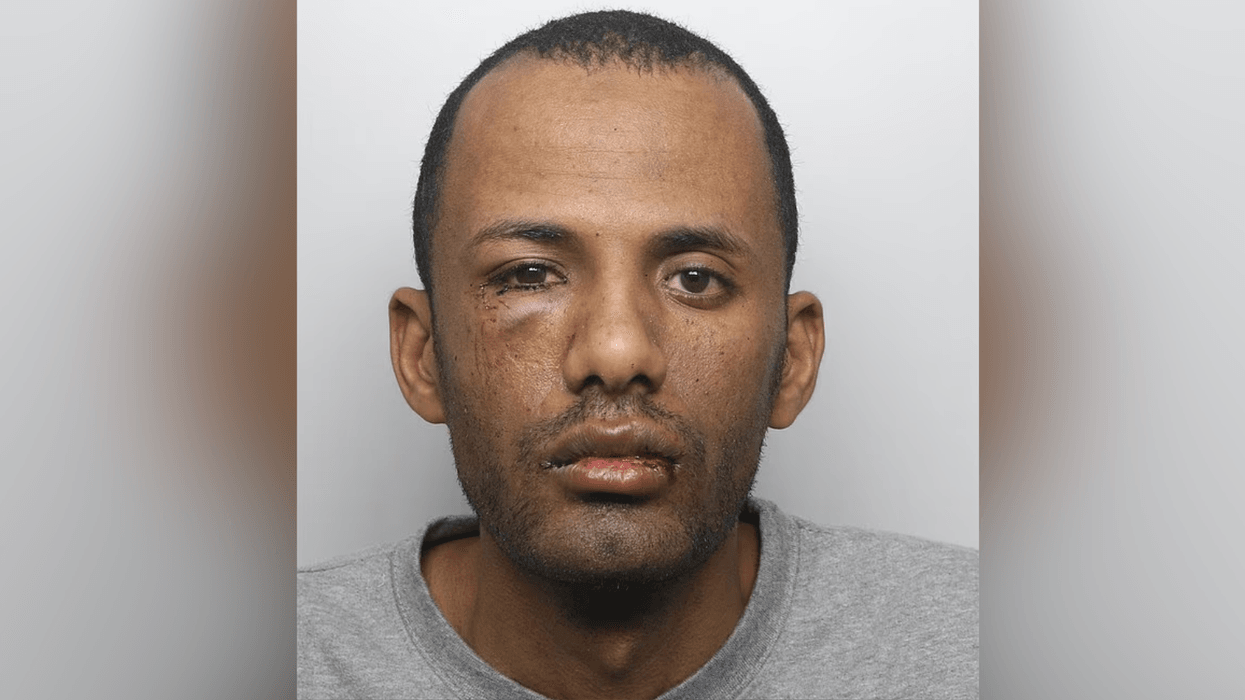
Ahmed, 73, walked free from prison last week after serving 14 years of a 22-year sentence for 30 child rape offences.
Despite being stripped of his British citizenship, the convicted paedophile remains in the UK as diplomatic negotiations between London and Islamabad have reached deadlock over the terms of his potential deportation.
The legal barrier preventing Ahmed's removal stems from the Immigration Act 1971, which protects Commonwealth citizens who arrived in Britain before 1973 and have lived in the UK for at least five years.
Ahmed has spent more than six decades in Britain, a fact Pakistani officials have cited in refusing to accept his return.
Islamabad has also refused to take back Ahmed and two other Rochdale grooming gang ringleaders, arguing all three renounced their Pakistani citizenship and can no longer be regarded as Pakistani nationals.
However, the official suggested Pakistan was open to exploring unconventional solutions, saying the country was willing to think "out of the box" and "beyond normal procedures" to facilitate Ahmed's return.
Last December, Pakistan formally requested the extradition of Shahzad Akbar, who served in former Prime Minister Imran Khan's cabinet, along with Adil Raja, a journalist and former military officer, over allegations of spreading "fake news" and anti-state propaganda.
Islamabad has also long sought the return of Altaf Hussain, founder of the Muttahida Qaumi opposition movement, who has lived in exile in London for three decades.
"There are people using British soil to destabilise Pakistan, in violation of several British laws, but the UK has done absolutely nothing about them," the official said.
He accused Britain of applying double standards, claiming evidence of incitement to hatred and violence had been shared with UK authorities but ignored while Britain cited human rights and free speech protections.
GROOMING GANGS - BRITAIN'S SHAME:
The Pakistani official also criticised Britain's approach to the negotiations, which have reportedly been ongoing for almost a year ahead of Ahmed's release.
"These demands are being made about somebody who is now around 75 and who has spent more than 60 years in your country. How is he our national when he is actually not our national? This is arrogance and a colonial mindset. It is unacceptable to us," he declared.
The official further alleged that Britain had privately and publicly threatened visa restrictions and cuts to overseas aid if Pakistan continued to refuse Ahmed's return.
"The Pakistan you are dealing with now is not the Pakistan you dealt with a few years ago. It is a very different kind of government, one that will not be blackmailed," he warned.
Home Secretary Shabana Mahmood is now examining whether to repeal the relevant provisions of the Immigration Act 1971 that currently prevent Ahmed's deportation.
The Home Office has confirmed all options remain under consideration, including emergency legislation to close the legal loophole.
Ministers have not ruled out imposing visa sanctions on Pakistan, although such a move is understood to be viewed as a "nuclear option" that would only be considered if diplomatic efforts fail.
Pakistan has previously accepted the deportation of convicted Rochdale groomers Hamid Safi and Mohammed Sajid as what officials described as "a gesture of goodwill".