Thank you for subscribing!
Firefighters have been working 11 hour shifts in intense heat without breaks or access to toilets as they tackle the blaze
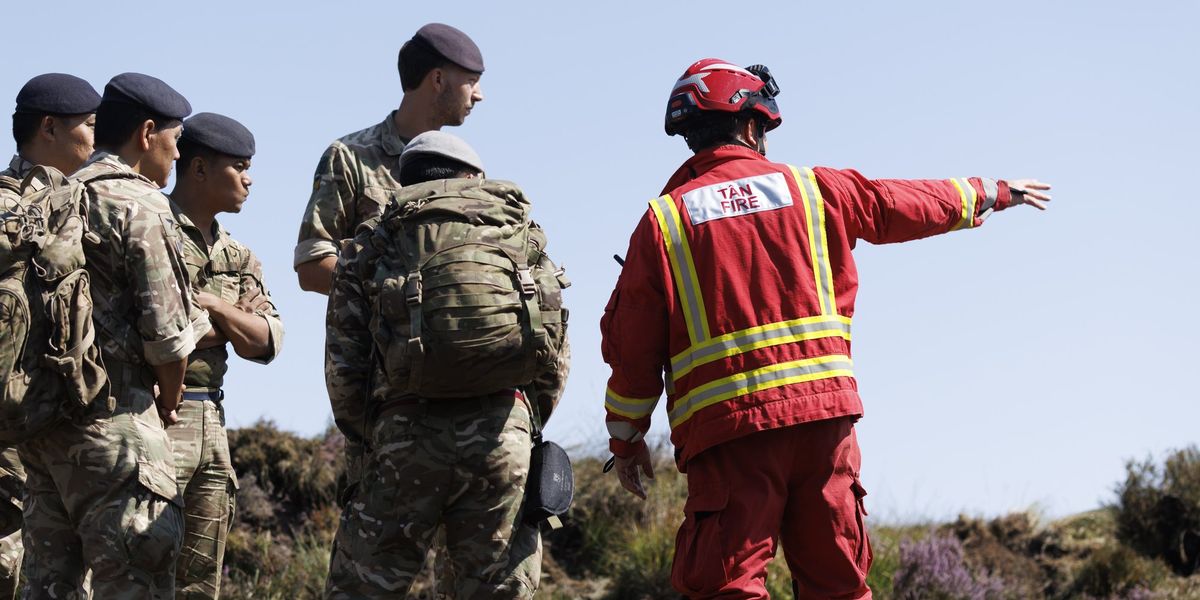
Gurkhas have been deployed to South Wales to help firefighters tackle the raging wildfires across the region.
Around 200 troops, drawn primarily from the Queen's Own Gurkha Logistic Regiment alongside personnel from 22 Engineer Regiment arrived in Wales on Friday.
The deployment followed a military aid to the civilian authorities (Maca) request submitted by South Wales Fire and Rescue Service — a mechanism more commonly associated with flooding emergencies requiring armed forces assistance.
Soldiers in combat helmets and camouflage were photographed digging firebreaks through woodland, while others coordinated directly with firefighters as smoke rose from nearby treelines. Some of the troops were spotted wearing commando flashes and parachutist wings.
According to the Ministry of Defence, the military helped emergency services reach remote and hard-to-access terrain, bolstering the overall response to the ongoing blazes.
Elin Jones, the Welsh finance minister, said: "We are extremely grateful to the Army for providing this additional support."
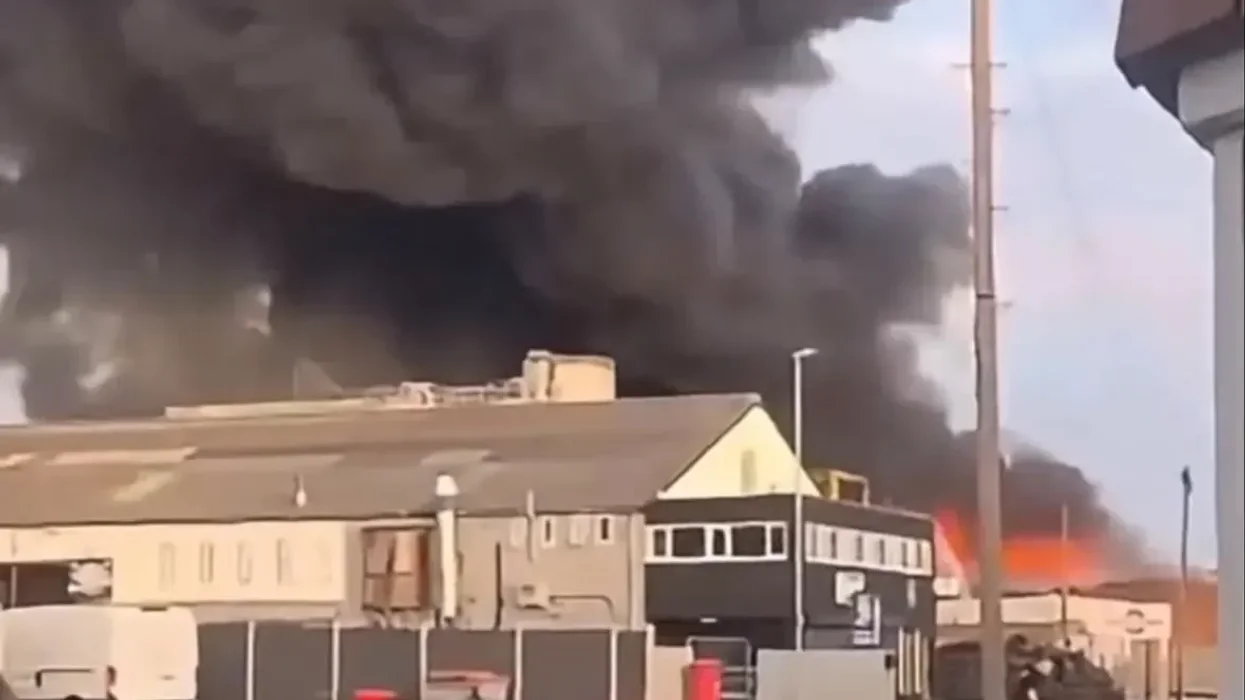
South Wales Fire and Rescue Service declared a major incident as multiple blazes continued to burn across the area.
Residents were forced from their homes in Torfaen, Porth, Merthyr Tydfil and Llandovery.
At Cilfynydd, situated roughly 13 miles north of Cardiff, a helicopter was observed carrying out water-bombing operations on Saturday afternoon in an attempt to bring the fire under control.
Fire crews from several English services, including Cumbria Fire and Rescue Service, travelled to South Wales to provide additional support.
Ms Jones added that the Welsh Government was prepared to fund the military assistance operations if necessary.
The scale of the emergency underscored the severity of conditions, with fires stretching resources across multiple services simultaneously.
Firefighters endured punishing conditions, working 11-hour shifts with no breaks and no access to toilet facilities, according to Gareth Tovey, the Fire Brigades Union's executive council member for Wales.
"They're having to eat a meal that someone has got up to them covered in soot," he said.
Mid & West Wales Fire and Rescue Service acknowledged the toll the crisis had taken on its crews but expressed gratitude for the outpouring of community solidarity.
"It has been tough, however, we have been overwhelmed by the support we have received during this time," the service said, singling out local businesses for keeping personnel supplied with food and drinks throughout the emergency.
South Wales Police confirmed that four 14-year-old boys had been detained on suspicion of arson in connection with the fires.
All four were subsequently released on bail while the investigation continues.
The wildfire crisis extended well beyond Wales. Phil Garrigan, chairman of the National Fire Chiefs' Council, revealed on Saturday morning that 43 wildfires had been recorded across Britain within the preceding 24 hours.
"We're very much still in the thick of it, very much still on the front line of climate change," he said.
The Queen's Own Gurkha Logistic Regiment, which provided the bulk of the military deployment, was established in 2001 through the amalgamation of three predecessor units.
While most Nepalese Gurkhas serving in the British Army are infantrymen with the Royal Gurkha Rifles, others fill combat support roles in logistics, engineering and signals.