Thank you for subscribing!
Trade body Offshore Energies UK says Rosebank would be the UK’s 'biggest new energy project'
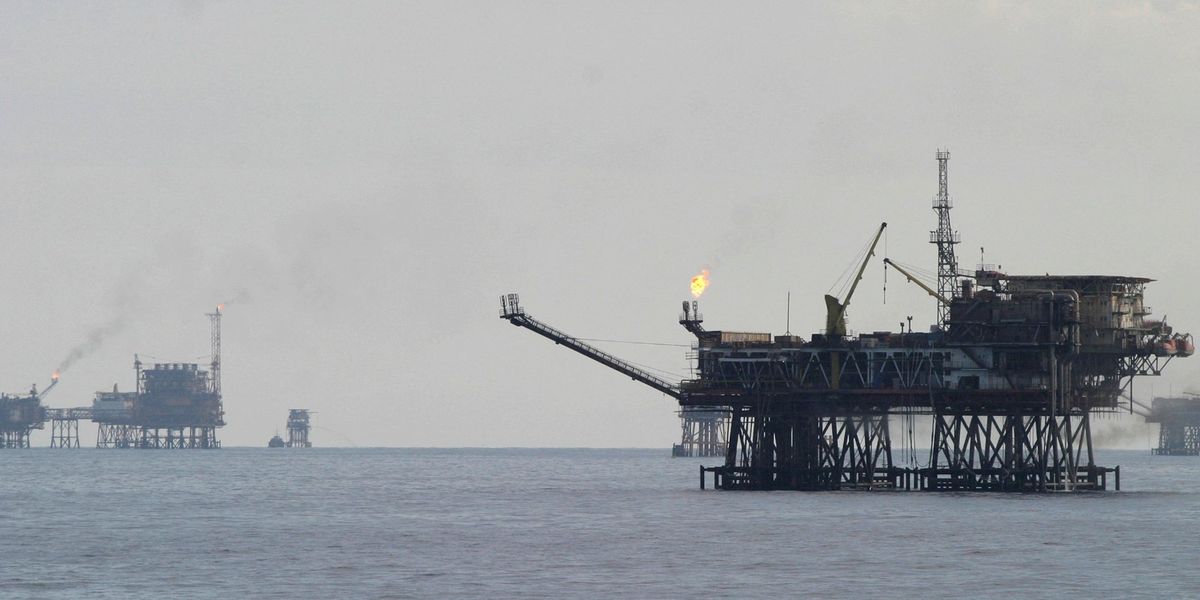
The Government decision on Britain’s largest untapped oil field will have "profound implications" for energy security and the economy, industry leaders say.
Work at Rosebank has been halted after a legal challenge on climate grounds, with protestors saying it is incompatible with the UK’s Net Zero commitments.
But offshore experts say that Britain will rely on fossil fuel for years to come and argue that producing it domestically is better for both the planet and the economy.
Failing to drill will only lead to more imports, they say. The decisions on whether work can resume at both Rosebank and Jackdaw, a giant gas field, will be seen as significant markers of the direction new Prime Minister Andy Burnham is taking on energy. Former Energy Secretary Ed Miliband previously described Rosebank as "climate vandalism".
A consultation on Rosebank’s future ended today, with a similar consultation on Jackdaw closing last week.
Arguments have been heated, with protests staged by climate groups. Campaigning musician Brian Eno warned that approving Rosebank would hasten climate change and could contribute to live music shows being cancelled.
The Roxy Music star pointed to Harry Styles’ June gigs, where water rules for fans were changed because of the heat, as a portent of a grim future. But Russell Borthwick, chief executive of Aberdeen & Grampian Chamber of Commerce, said the issue had become "dominated by slogans".
He said that the North Sea still had the potential to deliver billions in tax receipts from domestic oil and gas, produced under tighter climate rules than imported supplies.
He said: "The debate about the future of the North Sea has become one of the defining economic and energy policy discussions facing the UK.
“The decisions taken over the next few years will have profound implications for jobs, investment, public finances, energy security and the success of the energy transition itself.
"Too often, however, that debate has become dominated by slogans rather than evidence."
The Chamber of Commerce has introduced a new online site, North Sea Facts, which it says provides the answer to some of the key questions.
Mr Borthwick said: "Every credible forecast shows Britain will continue to need oil and gas for decades to come.
"The real question is whether we produce more of that energy ourselves, under some of the world's highest environmental standards, or increasingly rely on imports from overseas.
"Today, production from the UK Continental Shelf is declining by around 10 per cent every year. Unless new investment comes forward, almost all of that decline is replaced by imported energy.
"That means exporting jobs, investment and tax revenues while increasing our dependence on international markets."
Trade body Offshore Energies UK says Rosebank would be the UK’s "biggest new energy project".
It estimates that the field would contribute 10 per cent of UK crude production over the next decade and supply around four per cent of UK domestic gas supply.
Further, says OEUK, it represents £8.7billion of private investment and is expected to generate more than £24billion of value for the UK economy. But campaigners maintain that Rosebank should be stopped. Mr Eno, who is also the president of the radical left Stop the War group, is one of 211 musicians and artists who have signed an open letter speaking out against approval.
The letter, also signed by Cure frontman Robert Smith, Thom Yorke of Radiohead and Bobbie Gillespie from Primal Scream, argues approving the development will fail to lower energy bills for households in the UK, with the vast majority of oil destined for export.
After a summer of heatwaves, wildfires and storms, they also argue that climate change poses a threat to the music industry, saying live events have been cancelled because of "extreme weather".
In the letter, the artists said: "The climate crisis is no longer something we fear for future generations; it is shaping our lives today.
"As artists, we have become starkly aware of the fact that our livelihoods often depend upon the reliability of safe weather conditions and stable energy costs for live events.
"Like you, we've seen the enormous harm the recent heatwaves have already had on people's health, children's education, businesses and the whole economy - including music.
"The widespread disruption of music events across Europe and Wembley’s rule-changes for Harry Styles’ shows could be just the beginning.
"We care about climate change, not just as musicians and artists, but as people of the UK who know that political decisions made now will be what our generation is remembered for."
Suzi Shingler, campaign manager at Stop Rosebank, said: "Despite the fact that the UK and Europe have been on fire all summer, it’s radio silence from Burnham on climate change.
"Worse, he is considering approving the UK’s largest untapped oil field amongst all the destruction." It has been reported that Mr Burnham is "minded" to approve Jackdaw but that Rosebank’s future is less certain. However, no decision on either has been reached.
A spokesperson for the Department of Energy Security and Net Zero at the UK Government said: "The North Sea remains a vital national asset, supporting jobs, growth and the UK’s energy security.
"We are clear that oil and gas will continue to play an important role in our energy system for decades to come, alongside transitioning to clean power to protect jobs and tackle the climate crisis."