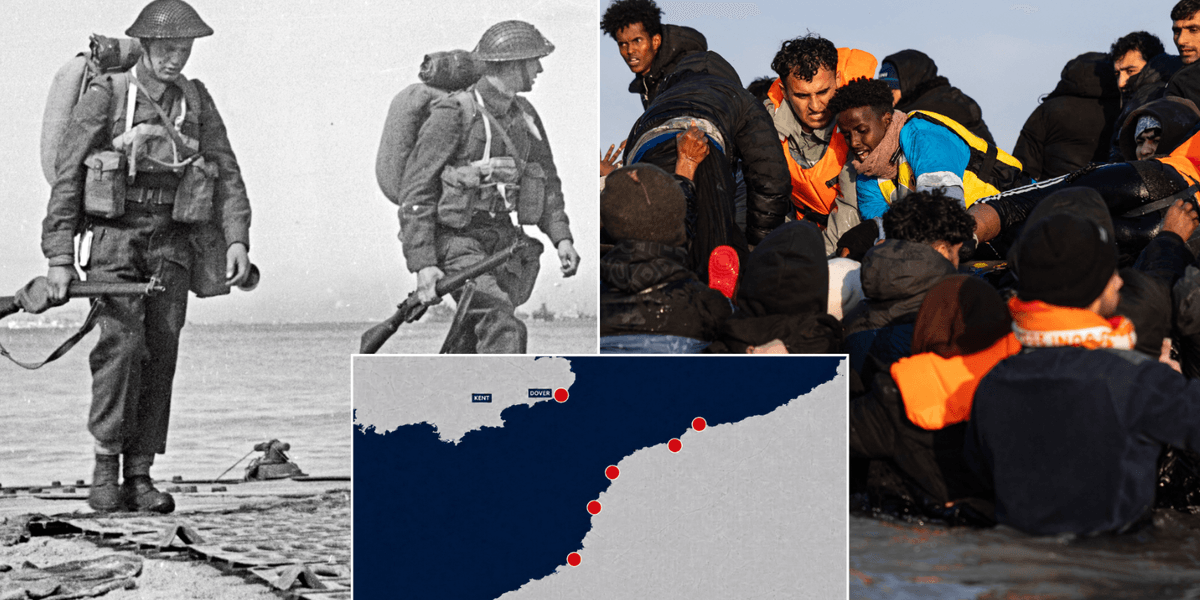
A little under a century ago, Britain was ardently defending the very same shores that are now being exploited by migrants across the world
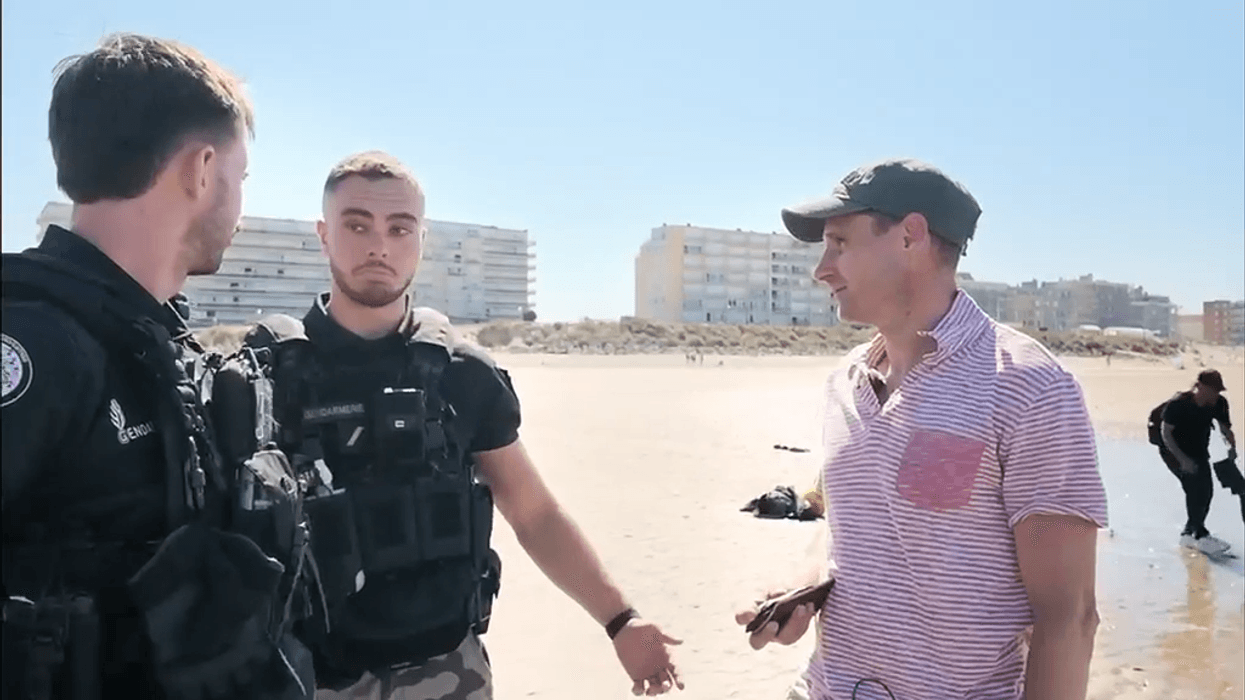
As police try to crack down on illegal crossings launching from the shores of northern France, people smugglers are looking for loopholes to dodge the wrath of French authorities.
The criminals have adopted a new strategy to launch dinghies from beaches further away from the more heavily-policed areas in northern France, such as Dunkirk and Calais.
As a result, Belgium has become far more attractive for criminals as it becomes a realistic launching point for migrants attempting to reach Britain while escaping the gendarmes.
And, just yesterday, a dinghy was launched from the furthest point ever recorded in a bid to cross the English Channel, as far south as Fécamp in France.
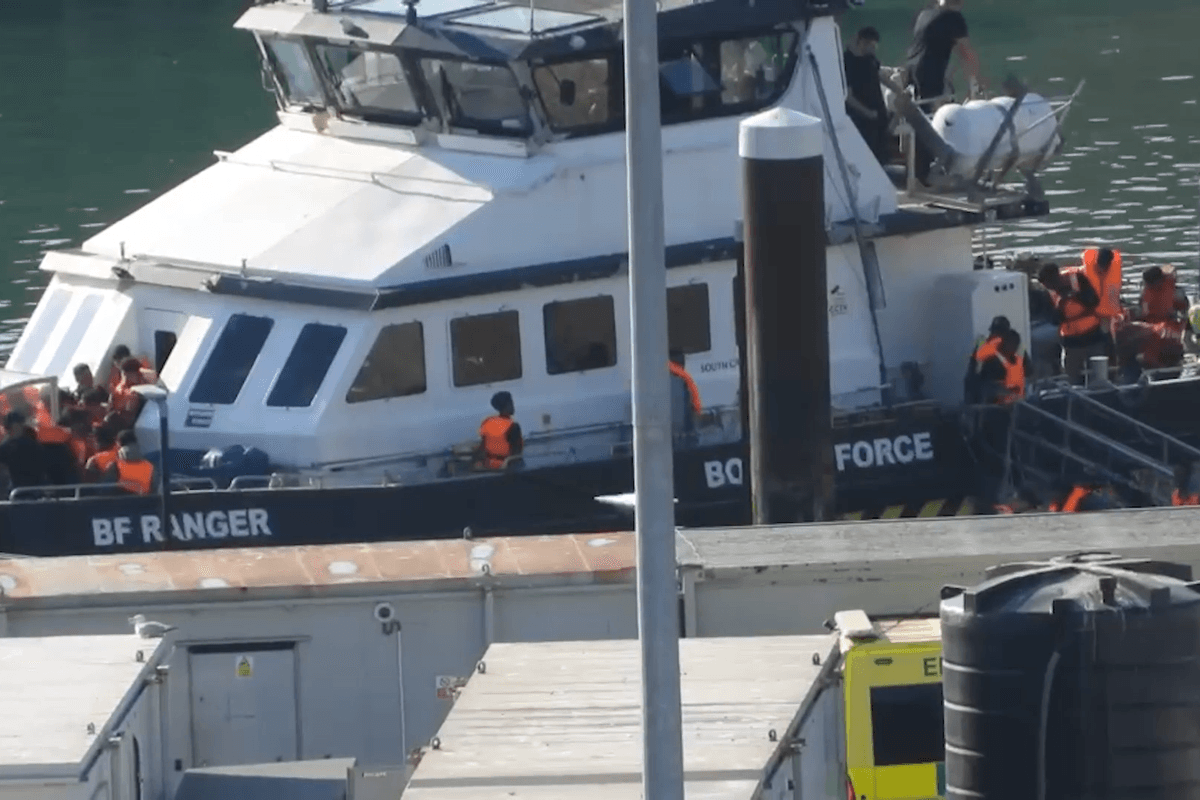
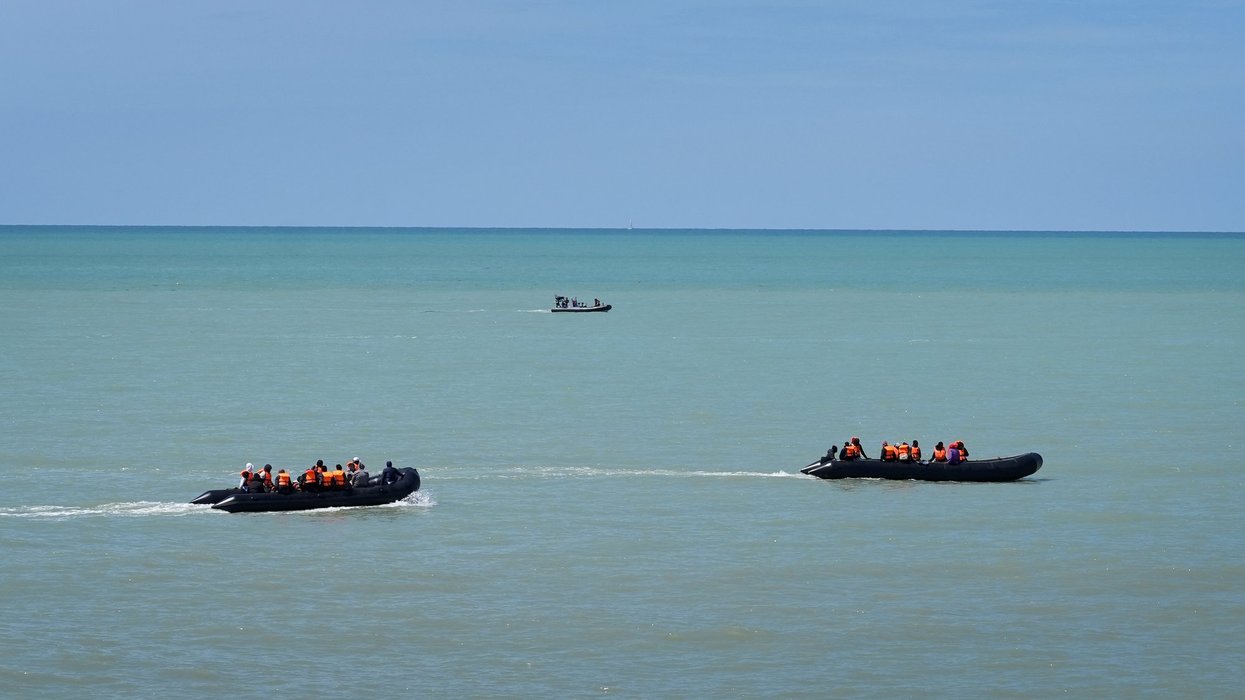
Earlier today, people smugglers launched a "full-frontal assault" across a wide stretch of French coast, pushing at least 700 illegal migrants out into the English Channel.
After weeks of sending migrant boats to sea from much further down the French coast, criminal gangs have switched up their tactics again.
But, just a little under a century ago, Britain was ardently defending the very same shores that are now being exploited by migrants across the world to swindle their way into the UK.
GB News has mapped out the five beaches in northern France which are now used as migrant launchpads that Britons bravely defended during World War II.
Dunkirk
Back in 1940, Operation Dynamo was one of World War II's largest rescue mission, evacuating more than 338,000 Allied troops from the beaches and harbour of Dunkirk.
Between May 26 and June 4, Vice Admiral Bertram Ramsay used a series of "little ships" with larger Royal Navy vessels to dodge the Germans.
Along with Calais, the historic coastal town was one of the two most common areas where migrant small boats are launched from, favoured for its shorter crossing distance to the UK.
BRITAIN'S BORDERS CRISIS - READ MORE:
Calais
In 1940, the 30th Infantry Brigade and 3rd Royal Tank Regiment heroically held the port for four days against the Nazis' Panzer division – famously ordered by Sir Winston Churchill to fight on with no evacuation, buying time for Dunkirk's.
Around 3,500 British troops were taken as prisoners when the garrison fell.
Today, Calais is one of the most popular launchpads for illegal migrants trying to make the perilous journey to British shores.
The seaside town is also home to the Channel Tunnel, where many of those seeking to find their way into the UK conceal themselves in the back of lorries.
Boulogne
In the Battle of Boulogne in 1940, British troops landed to hold the port and were evacuated under heavy fire just before Calais fell.
The heroic action was part of the same bid to buy time for Dunkirk's evacuation.
These days, the area sits on the same smuggling corridor between Calais and the Somme estuary, with launches recorded along the coast either side of it.
Gravelines
The Aa Canal halt in 1940 served as a pivotal moment for the war, when the Nazis advanced on Dunkirk.
However, they were stopped along the AA Canal, some 12 miles away from the coastal town, helping to carry out Operation Dynamo.
The site was not impacted by the small boats crisis until after 2022. Nowadays, the location has become one of the people smugglers' favourite launchpads.
The Aa River is now specifically used to launch "taxi boats".
Dieppe
In 1942, British commandos and RAF officers helped Canadian troops to carry out the Dieppe Raid - or Operation Jubilee - in the costly amphibious raid that shaped the Normandy landings.
The Allies were able to use lessons learned to support future attacks, adapting tanks to accommodate beaches, as well as creating a new integrated tactical air force.
Now, French authorities have recorded an extension of departure areas south to Dieppe, a deliberate shift by smugglers as patrols tightened around Calais and Dunkirk.
Yesterday, one boat this year launching even further south, from Fécamp.