Thank you for subscribing!
People-smuggling gangs are increasingly launching small boats from Belgium to bypass heavy security along the French coast
The UK is set to sign a deal with Belgium in a bid to slash small-boat crossings in the English Channel.
The agreement will cover law enforcement cooperation, aimed at tackling people-smuggling gangs.
Data-sharing resources, which were stripped back after Britain left the EU, will be at the centre of discussions.
The deal will not include anything on migrant returns, according to the i.
Belgian authorities identified at least 32 such attempts between January and April this year, compared with just two in all of 2025.
They have adopted an approach similar to their French counterparts, declining to intercept boats once they enter the water.
Officers were observed patrolling beaches and deploying a spotter plane overhead, yet the dinghies were permitted to depart.
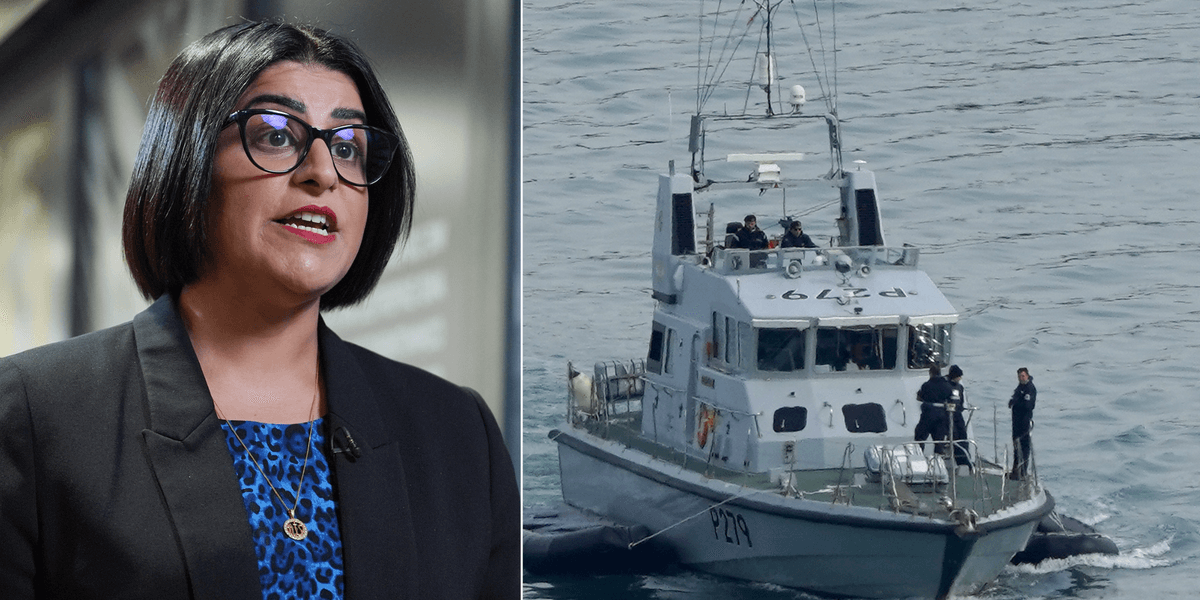
As the vessels drifted into the North Sea, a Belgian law enforcement craft shadowed them.
In one instance, emergency services received reports of 200 migrants aboard four boats off the coast.
Local authorities confirmed the boats were then escorted from Belgian waters into French territory.
From there, French vessels reportedly guide them to the midway point in the Channel, where UK Border Force assumes responsibility.
The number of boats reaching Britain from Belgium has fallen again in recent months, leading ministers to praise the European nation.
A Government source told the Ipaper: "The Belgians are very keen on further cooperation. They have been very effective in their efforts on cracking down on small boats and there is much we can learn from each other’s approaches."
In the UK, asylum seekers receive three daily meals, complimentary toiletries, healthcare, legal assistance, and entertainment, along with a weekly cash allowance of £49, whereas in Belgium they receive roughly £8 per week.
While many UK asylum seekers are housed in three and four-star hotels, those in Belgium endure far more austere circumstances.
At a facility near Koksijde, a converted barracks close to war graves, residents reportedly sleep eight to a room on camp beds divided only by curtains.
The accommodation features approximately seven or eight toilets for every 50 men, while each sleeping area offers little more than a few hooks for clothing and a small camping table.
Some asylum seekers remain in these cramped conditions for over two years awaiting decisions on their applications.
A Home Office spokesman said: "We do not comment on leaks or speculation."