Thank you for subscribing!
The Home Office acknowledge that authorities cannot prevent residents from leaving the site on foot
Asylum seekers expected to be housed at a military site in Piddington could be issued high-visibility jackets, according to Government planning documents.
The measure is said to reduce the risk of migrants being struck by vehicles on roads around the former Ministry of Defence garrison, where the Government is proposing accommodation for up to 1,250 adult male asylum seekers.
The plans have intensified concerns among local residents and politicians about the suitability of the site, particularly because of its rural setting and the absence of pavements connecting it with nearby communities.
Government documents state residents of the proposed accommodation would be “strongly encouraged” to use Home Office-provided shuttle buses to travel to nearby towns.
However, officials acknowledge that authorities cannot prevent residents from leaving the site on foot.
High-visibility vests would therefore be made available to those who choose to walk, with the documents saying the clothing would reinforce warnings about the dangers posed by nearby roads.
The site is close to roads carrying traffic at speeds of up to 50mph, including the A41 towards Bicester, about five miles away.
Planning documents acknowledge the former military site lacks safe, paved pedestrian routes and that anyone entering or leaving on foot would need to take “considerable care”.
Local resident Ian Darby, 63, said the arrangements demonstrated the site's unsuitability.
“It’s very dangerous,” he told the Telegraph, “The Government says they are going to issue hi-vis jackets, but the widest pathway is just one metre. It’s a death trap.”
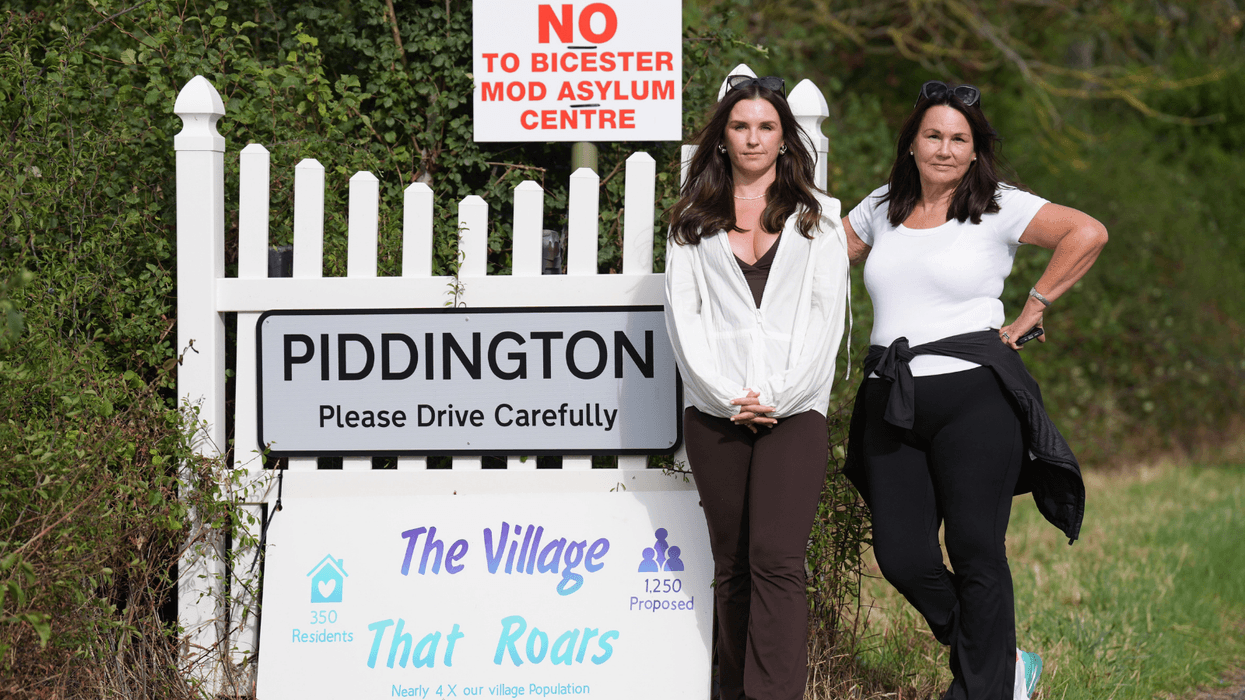
Residents have also raised concerns about pressure on local services and potential crime, pointing to the proposed number of asylum seekers compared with Piddington’s population of roughly 350 people.
The village has more than 130 women and 46 children, who would be outnumbered six to one.
Matthew Barber, the Thames Valley Police and Crime Commissioner, has described Piddington as a poor location for the proposed accommodation, and said he was seeking additional Home Office funding for policing.
He said the rural location, distance from Bicester and limited local services meant some residents were likely to walk between the site and the town, creating road safety issues.
Mr Barber also said police would need resources to respond to residents’ concerns and deal with any additional offences associated with the accommodation.
He said there could be an increased risk of crime when a large number of single men from different backgrounds were placed together in an unfamiliar area, while stressing that concerns about potential offending should not automatically be dismissed as racist.
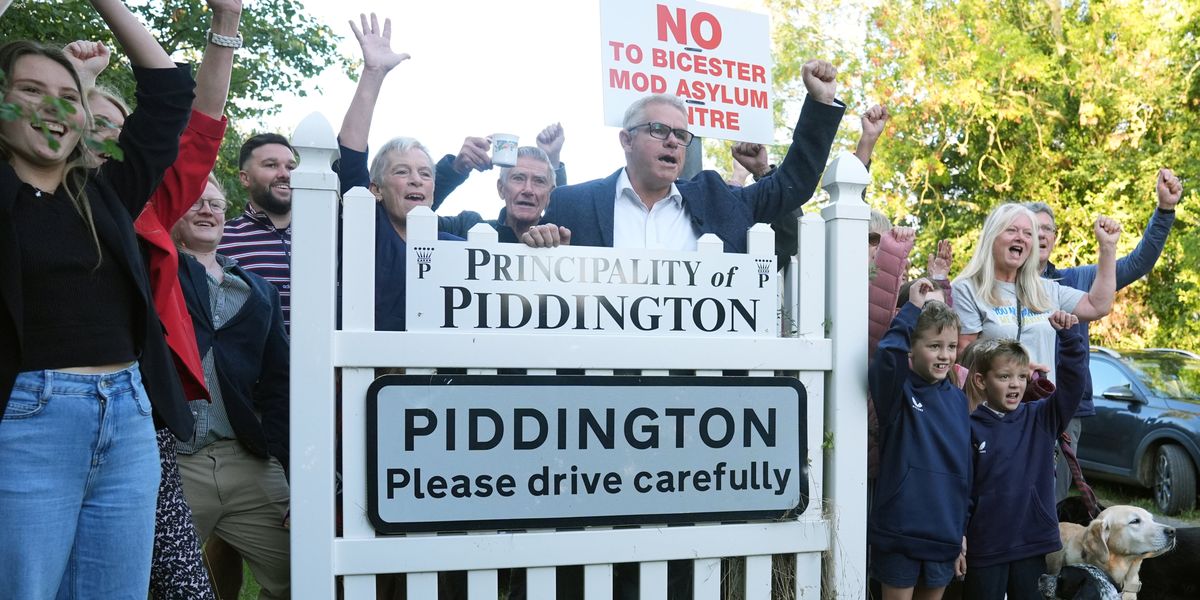
Piddington residents held a symbolic referendum yesterday on whether the village should seek to leave the United Kingdom, in an attempt to garner attention to the issue, and portray to Government the degree to which residents oppose the plans.
Dubbed the "Battle for Britain", the vote has no legal or constitutional effect, but organisers say they hope it will draw national attention to local opposition to the asylum plans.
A total of 285 residents voted in favour, with 26 opposing, and one spoiled ballot, for a total of 312 votes.
Cherwell District Council is expected to consider its planning officials’ recommendation to oppose the proposal. Bicester Town Council is also considering whether to contribute £20,000 towards a potential legal challenge.
A campaign group has been established to coordinate a possible judicial review if the Government proceeds.
Callum Miller, Liberal Democrat MP for Bicester and Woodstock, has said he supports using legal avenues to challenge the decision.
The plan to occupy the site with migrants comes amid the Government's plan to close all asylum hotels by 2029, with Prime Minister Andy Burnham defending the approach to instead use disused military barracks.
The Home Office said no final decision on the site will be made until feasibility assessments, planning permissions and necessary approvals have been properly considered.