
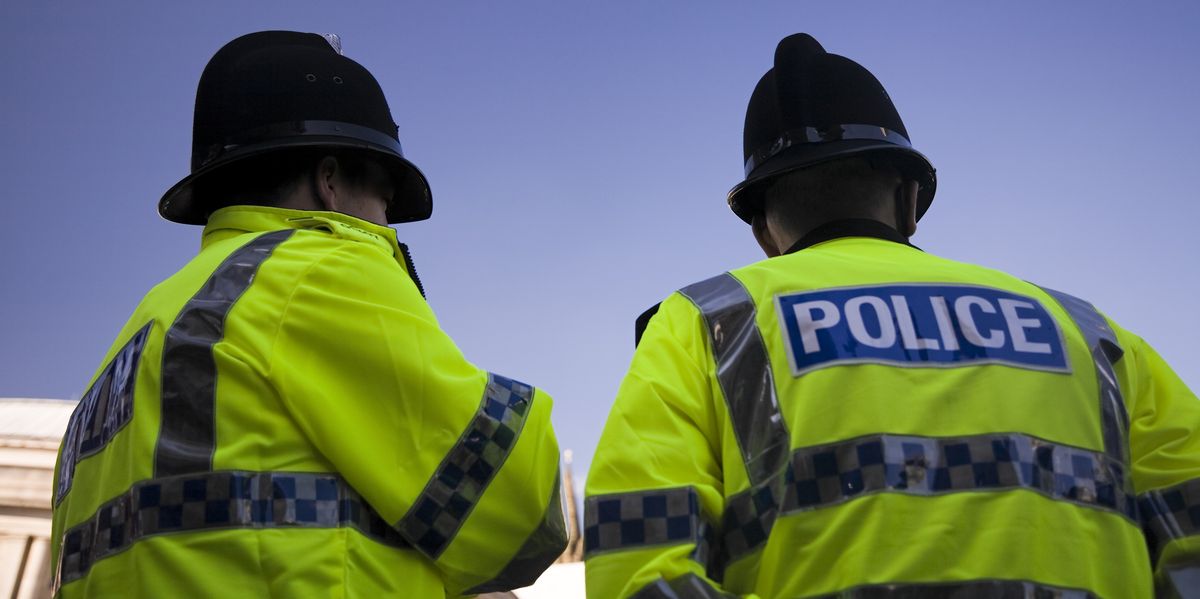
The National Police Chiefs' Council detailed vast improvement to force responses up and down Britain
Police forces across England and Wales have pledged to crackdown on anti-social behaviour, with annual figures revealing the sheer volume of cases affecting communities nationwide.
More than one million anti-social behaviour incidents are logged by officers each year, according to data compiled by the National Police Chiefs' Council.
The statistics are supported by widespread public concern, with millions of residents contacting police each year to report neighbourhood disturbances that leave them feeling unsafe in their own homes.
The NPCC notes how targeted operations focusing on town centres, street drinking and e-scooters have already delivered reductions in both criminal activity and anti-social behaviour – yet the problem persists.
In Horden, County Durham, reported incidents of anti-social behaviour dropped by 35 per cent over the past year.
According to the local force, the decline was attributed to increased officer presence on the streets and improved crime-tracking technology.
Meanwhile, the particularly troubled area of Leamington town centre, Warwickshire, saw violence and anti-social behaviour fall by a whopping 90 per cent.
The success came through a combination of heightened enforcement activity and expanded programmes designed to engage young people in the community.
The NPCC noted how both examples demonstrate the effects of focused initiatives by local forces in transforming areas once plagued by frequent disorder.
Temporary Deputy Chief Constable Catherine Akehurst, the National Police Chiefs' Council lead for anti-social behaviour, emphasised the real-world impact incidents have on residents.
"What may seem low level to some can, for others, undermine their sense of safety, erode pride in their neighbourhoods, and diminish overall quality of life," she said.
"It can isolate people, damage community cohesion, and weaken the trust that the public places in policing and partner agencies."
Officers are deploying a wide array of approaches to address offenders – including arrests, stop and search powers, focused patrols, property closures and behavioural orders.
However, the Temporary Deputy Chief Constable stressed that strengthening collaboration with partner agencies such as councils and schools remains a crucial priority in response to the issue.
Since the Government announced its neighbourhood policing guarantee in April last year, each of the 43 police forces in England and Wales has appointed a dedicated anti-social behaviour lead.
Crime and Policing Minister Sarah Jones said: "Anti-social behaviour is pernicious and chips away at pride in our neighbourhoods.
"This week is about showing communities that we will not tolerate it."
The minister highlighted how communities now have named, contactable officers under the guarantee scheme.
Looking ahead, the Government has committed to deploying 13,000 additional officers into neighbourhood policing roles, while new Respect Orders will provide enhanced powers to tackle repeat offenders.