Sentencing, Mr Justice Haddon-Cave said Haque's ambition was 'alarming' and he was a 'very real' threat to young and old alike
A terrorist who funded a child "mini militia" for attacks has been released early from prison.
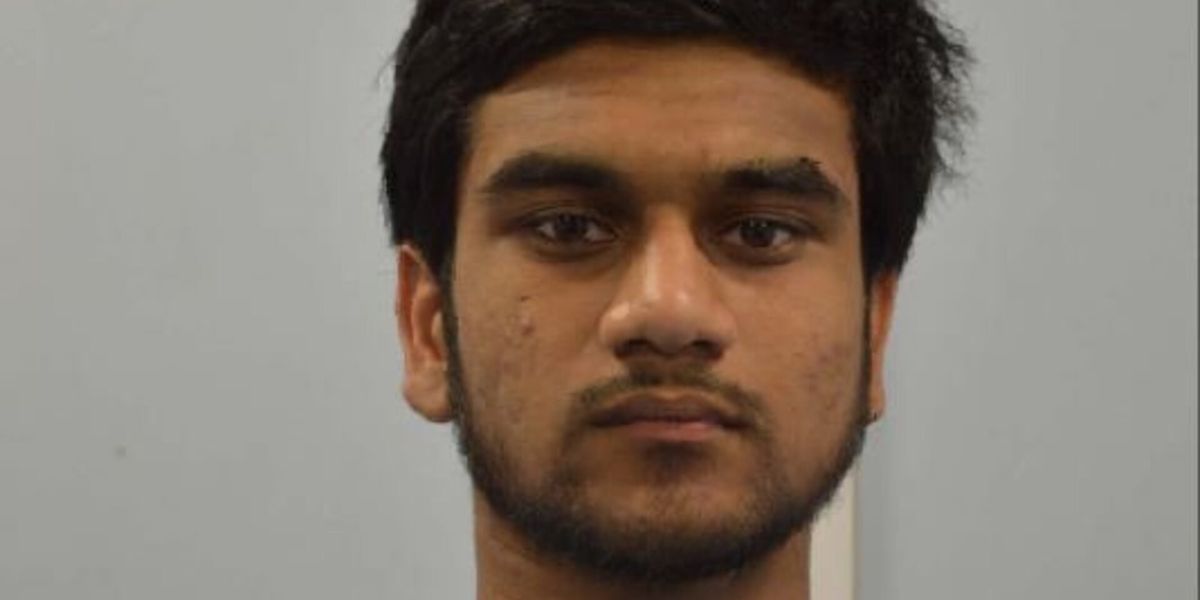
Abuthaher Mamun raised money for an Islamic State-linked plot of 30 terrorist targets, which included Big Ben, the Queen's Guard and a Westfield shopping centre.
The ringleader, Umar Haque, got help at the Ripple Road Mosque in Barking, east London, where he brainwashed children as young as 11 through terrorism role-play and exercises.
Mamun was a fundraiser for the plot and was jailed for preparation of terrorist acts for 13 years in 2018.
Although he was not released under the Sentencing Act early release scheme, it will still cause alarm.
A charity watchdog said Mamum assisted Haque in the classes.
Boys at the mosque were left "traumatised" from being shown Daesh propaganda by Haque.
Haque had also admitted playing a Daesh film at the Lantern of Knowledge school in Leyton where he had worked, the Old Bailey heard.
Sentencing, Mr Justice Haddon-Cave said Haque's ambition was "alarming" and he was a "very real" threat to young and old alike.
Mamun, 19 at the time, was said to have "renounced" Haque's extremist view of Islam.
Haque's confidant Muhammad Abid, 27, got four years and three months for failing to report the plot.
A Ministry of Justice spokesman said: "The decision to release Abuthaher Mamun was made by the Parole Board - which is independent of government - after a thorough risk assessment.
"Terrorists released on licence are supervised by the Probation Service, with the support of police and the security services.
"Individuals are subject to strict conditions including tagging, restrictions on their internet use, movements and contact with others.
"If they break those conditions they can be brought back to prison."
A spokesperson for the Parole Board said: "We can confirm that a panel of the Parole Board has directed the release of Abuthaher Mamun following an oral hearing.
"Parole Board decisions are solely focused on what risk a prisoner could represent to the public if released and whether that risk is manageable in the community.
"The panel carefully examined a huge range of evidence, including details of the original crime, and any evidence of behaviour change, as well as exploring the harm done and impact the crime has had on the victims.
"Members read and digest hundreds of pages of evidence and reports in the lead up to an oral hearing.
"Evidence from witnesses such as probation officers, psychiatrists and psychologists, officials supervising the offender in prison as well as victim personal statements may be given at the hearing.
"It is standard for the prisoner and witnesses to be questioned at length during the hearing which often lasts a full day or more.
''Parole reviews are always undertaken thoroughly and with extreme care. Protecting the public is our number one priority."