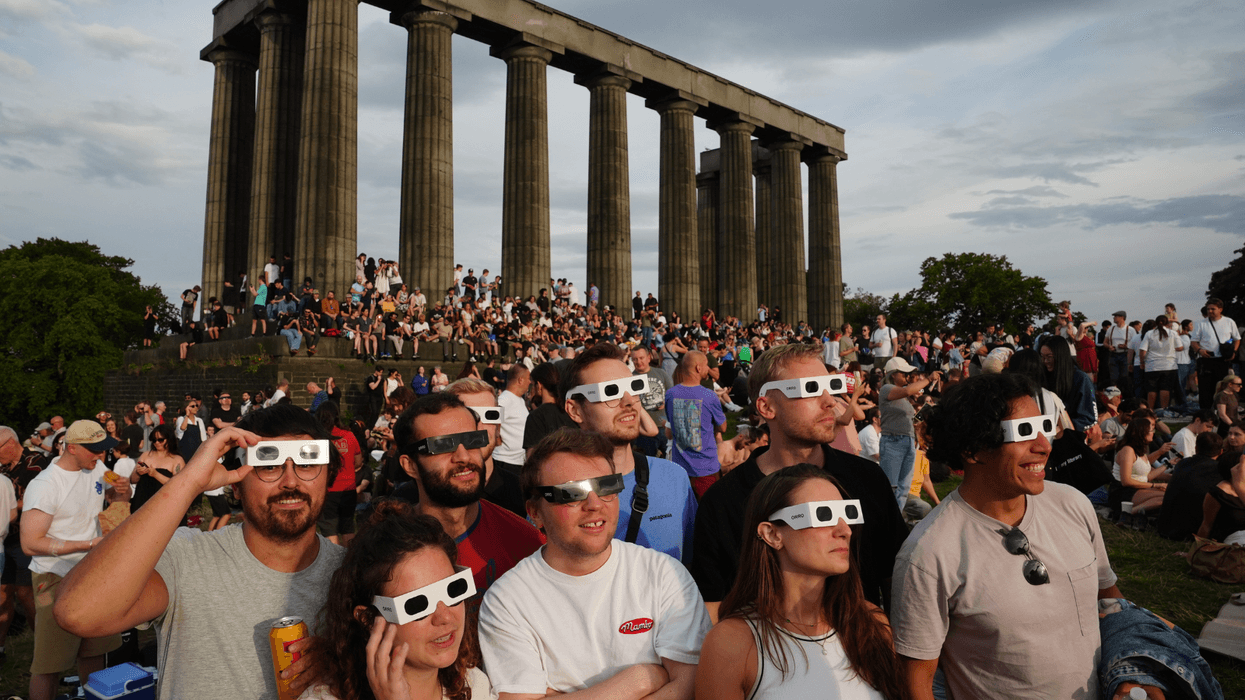
Later this week the clocks are set to go forward... but when do Britons have to change their watches?
Britons are set to lose an hour of sleep this weekend, with British Summer Time on the horizon.
On Sunday, March 29, clocks across the UK will jump forward by 60 minutes at 1am, instantly becoming 2am and officially marking the start of BST.
To the delight of Britons across the nation, it signifies the beginning of longer days and brighter evenings.
Fittingly, the change happens just over a week after spring officially began on March 20.
Despite the twice-annual event, some struggle to remember which direction the clocks move.
If so, there's a handy phrase that does the trick: "Spring forward, fall back."
Some compare the missing hour to a mild dose of jet lag, with potential short-term effects on mood and concentration.
But here's the good news – evenings will become noticeably brighter almost immediately, with sunset pushed much later into the day.
So what can be expected once the clocks have changed? Here's when the sun will set in major cities across the UK on Sunday March, 29.
In London, darkness won't fall until 7.28pm, while Birmingham gets an extra few minutes with sunset at 7.36pm. Manchester follows closely at 7.38pm, and Cardiff enjoys the light until 7.40pm.
The lighter evenings will stick around until Sunday, October 25, when clocks fall back by an hour, marking the return to Greenwich Mean Time.
That's a solid seven months of enjoying those extended daylight hours before the annual cycle begins again.
The tradition originated from British builder William Willer, who published the 1907 proposal: "The Waste of Daylight".
Mr Willer's aim was simple, albeit personal: to extend daylight hours during summer months to enjoy longer golf sessions.
He lobbied extensively for his proposal, which eventually became law through the Summer Time Act 1916.
Unfortunately, the legislation was enacted 12 months after his death, meaning he never got his extended round in.
After the UK, both Germany and Austria implemented similar light-saving measures.