

You are about to be charged £0.00








Italy has released an "octopus army" into its waters in a bid to tackle a devastating invasion of crabs.
Researchers have released 130,000 infant common octopuses into the Adriatic Sea, hoping their natural appetite for crustaceans will help curb a species that has wreaked havoc on Italian coastal communities.
The invasive blue crabs, originally native to the Atlantic, have caused an estimated £170million in damage to the fishing and aquaculture industries, according to Italian agricultural organisation Coldiretti.
The crabs have shredded nets, devastated clam beds and devoured mussel stocks along the Adriatic coast.
The initiative, dubbed "Octo-Blu", is being overseen by Dr Oliviero Mordenti of Bologna University in partnership with the Emilia-Romagna regional government.
The tiny octopuses were introduced to waters off Riccione and Cesenatico in their newly hatched "paralarval" form, measuring just millimetres in length.
Scientists have constructed artificial underwater shelters to give the vulnerable hatchlings somewhere to develop safely.
"They are a predator which are capable of contributing to the control of the blue crabs," Dr Mordenti told The Telegraph.
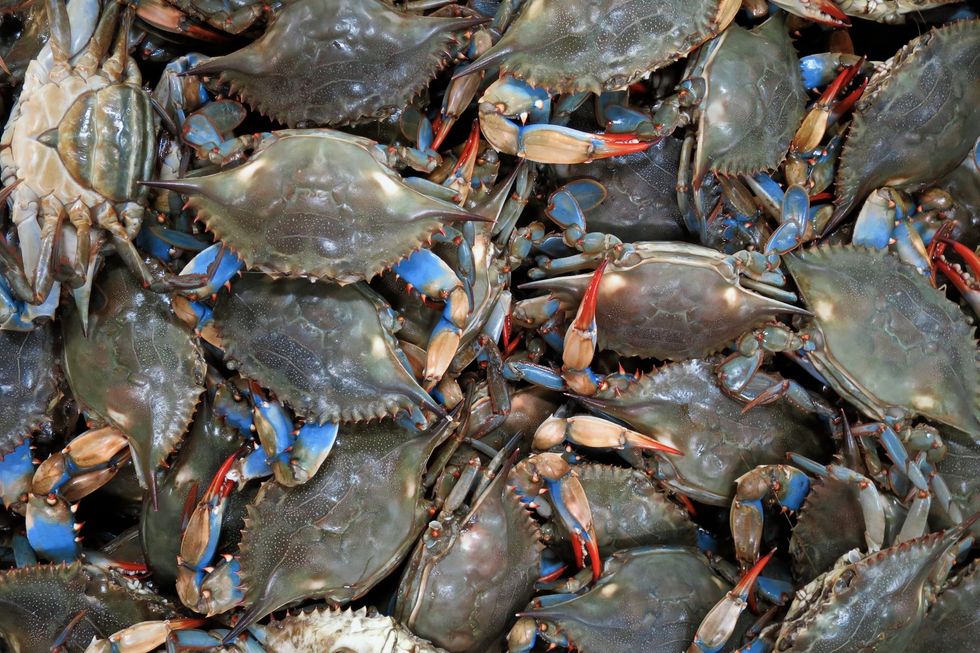
The invasive blue crabs, originally native to the Atlantic, have caused an estimated £170million in damages
|GETTY
Once mature, each octopus is expected to devour as many as four crabs a day.
Fellow Bologna University researcher Antonio Casalini explained: "We chose the octopus because, in the wild, it is a formidable predator of crustaceans."
In some areas, the invasive crabs have destroyed up to 70 per cent of clam harvests, while numerous aquaculture operations across Emilia-Romagna and neighbouring Veneto have been forced to close.
Alessio Mammi, the Emilia-Romagna official responsible for agriculture and fisheries, said: "The blue crab is not just an invasive species, it represents one of the most serious crises to have hit our waters."
He added: "Saving the fishing sector is an urgent priority for us."
ITALY - READ THE LATEST:
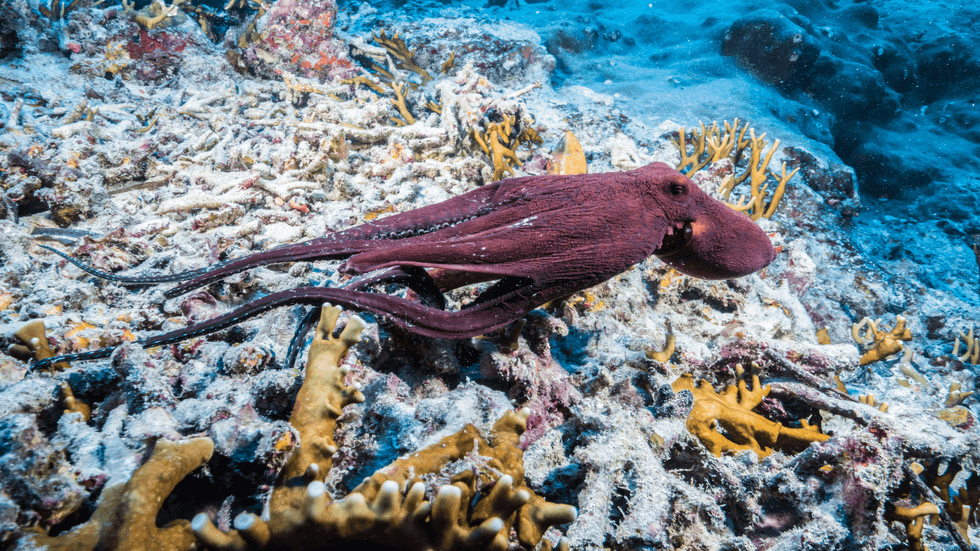
Researchers have released 130,000 infant common octopuses into the Adriatic Sea
|GETTY
The crustaceans have also spread roughly 100 miles up the River Po, Italy's longest waterway, reaching the town of Guastalla and establishing a European record for freshwater incursion.
Anna Gavioli, a researcher at Ferrara University, described the crabs' upstream advance as "exceptional", suggesting overcrowding may be driving them into new habitats.
However, there is no guarantee that the octopus offensive will succeed.
The hatchlings face a 99 per cent mortality rate, meaning barely 1,300 of the original 130,000 may survive to adulthood.
Scientists maintain that even this relatively small number of survivors could have a significant impact on the crab population.

The crustaceans have also spread roughly 100 miles up the River Po, Italy's longest waterway
|GETTY
Dr Mordenti said: "If a single octopus eats a female blue crab, you need to remember that the crab could have produced 1.5 million eggs, even two million."
Researchers at Bologna University are continuing to breed octopuses in their laboratories, with further batches set to be released into the Adriatic as production increases.
Italian authorities are also attempting a more gastronomic solution by encouraging the public to eat blue crab.
The species has begun appearing on supermarket shelves and at fishmongers across the country, while restaurants have incorporated the crustacean into pasta dishes and salads.
Despite these efforts, consumer demand has so far failed to make a significant dent in the growing population.
The crabs are believed to have first reached the Mediterranean through ships' ballast water, which can inadvertently transport marine organisms between distant ports.
International regulations have since been introduced requiring vessels to manage such discharges.
With the two-pound crustaceans continuing to multiply, Italy is now hoping its army of octopuses can help bring the invasive species under control.