






New Zealand has named a new ferry after Captain Cook and told "snivelling wokesters" that "a mature country does not run from its history."
Foreign Minister Winston Peters took aim at critics who view Cook as a "harbinger of colonisation," urging them to develop a deeper understanding of their country's history.
"A mature country does not run from its history. A serious country does not vandalise its memory to satisfy the latest fashion in whinger politics," he declared before parliament in Wellington.
"We know what will happen. The snivelling wokesters will work themselves into a lather over the name.It is fashionable now in certain circles to treat Captain Cook as nothing more than a symbol to be condemned, cancelled and cast out."
The companion vessel will bear the name Kupe, the Polynesian navigator credited in Maori tradition with being the first person to reach New Zealand.
Both ferries are currently under construction in China and are expected to arrive in 2029, when they will begin transporting passengers and cargo across the Cook Strait separating the country's North and South Islands.
The pairing of the two names appears designed to acknowledge both the indigenous and European strands of New Zealand's maritime heritage.
Yet the decision to place Captain Cook alongside Kupe on vessels traversing the waterway that already carries the explorer's name has drawn scrutiny from historians who question whether the two figures can be so neatly equated.
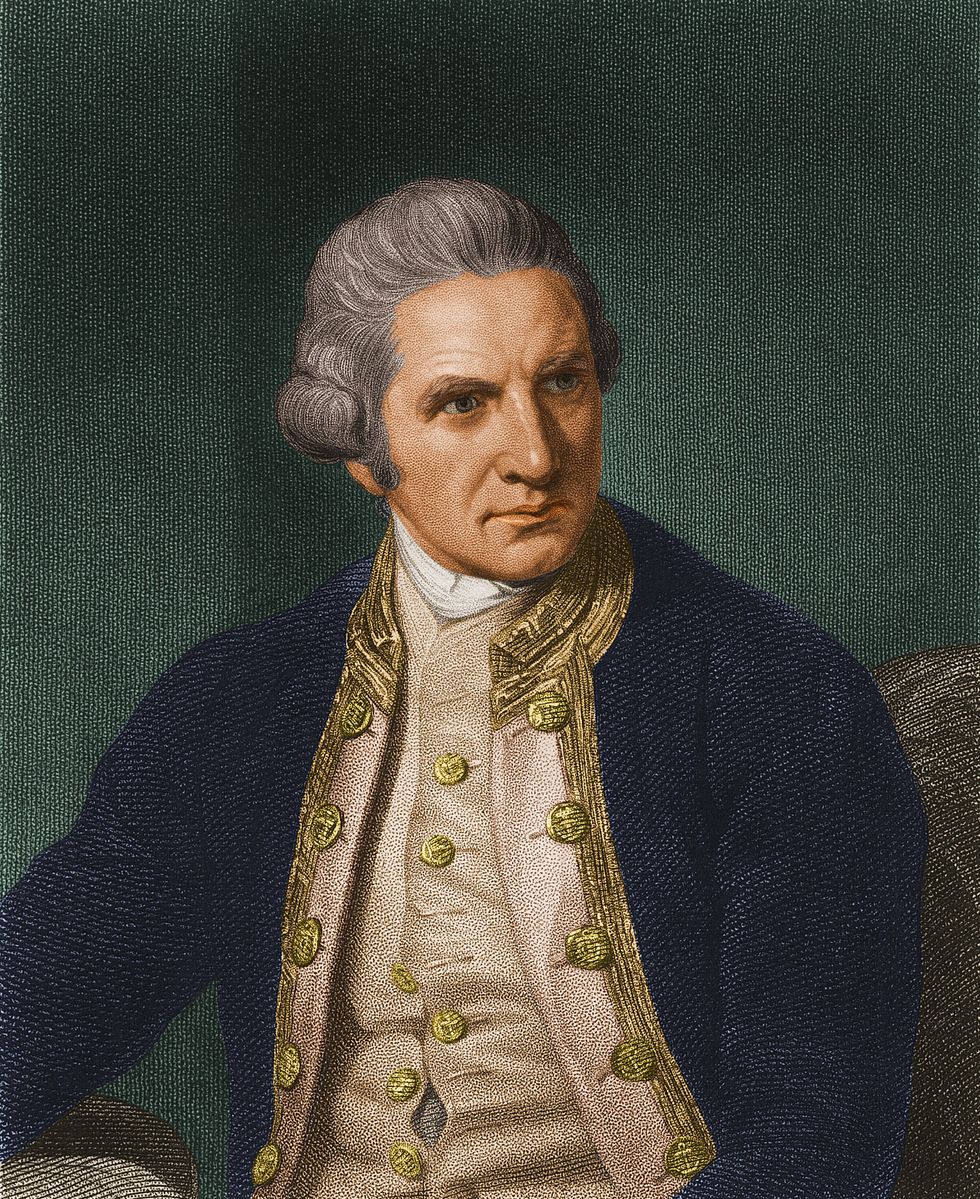
A ship in New Zealnd has been named after Captain Cook, with ministers saying that 'a mature country does not run from its history'
|GETTY
Tony Ballantyne, a history professor at the University of Otago, identified what he described as a "fundamental tension" in the decision to present the two navigators as equivalents.
Writing in The Conversation, he argued: "This equivalence between Kupe and Cook as men of the sea and great navigators glosses over the very real differences between 'discovering' uninhabited islands and the 'rediscovery' of already occupied lands in the context of empire building."
The distinction is historically significant.
Captain Cook's arrival in October 1769 led to violent encounters with Maori communities already inhabiting the islands.
LATEST DEVELOPMENTS
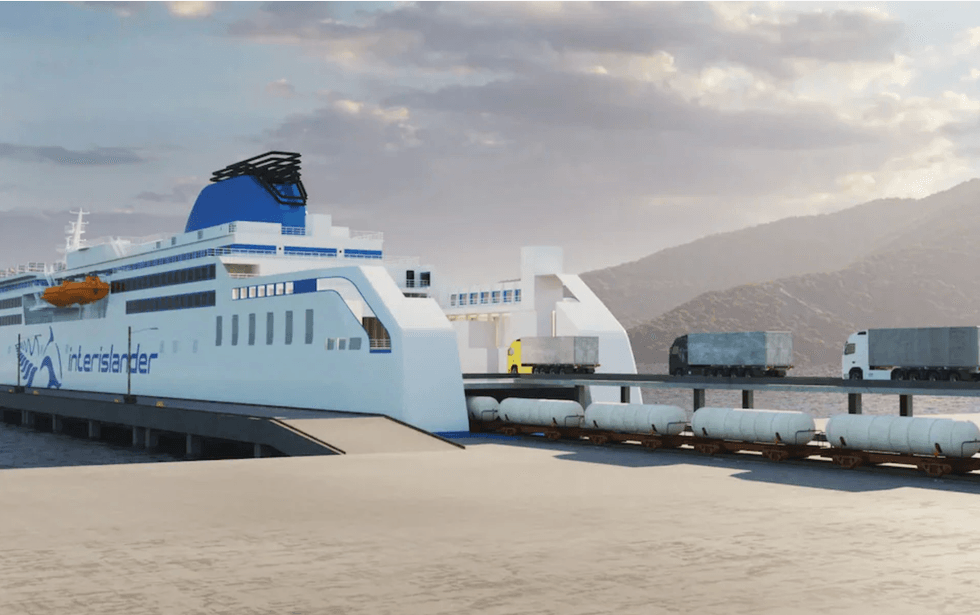
The ships are currently under construction and set to be used for the first time in 2029
|NEW ZEALAND GOVERNMENT
Nine Maori, among them the local chief Te Rakau, were killed or wounded during the initial landing alone, with further fatal confrontations occurring at Mercury Bay and the Cavalli Islands as Cook sailed northward, though Cook himself did not personally kill any Maori.
Britain formally expressed regret over these killings in 2019.
The ferry naming bucks a wider movement across Australia and New Zealand to replace colonial-era designations with indigenous alternatives or adopt dual naming conventions
Ayers Rock is now officially Uluru, Fraser Island has become K'gari, and New Zealand's Mount Egmont was renamed Taranaki Maunga.
Cook's own legacy has been particularly affected. New Zealand's tallest peak, once simply Mount Cook, now carries the dual title Aoraki/Mount Cook.
In Dunedin, the Captain Cook pub was rebranded as Dive by its owners, who wished to shed what they called a symbol of "oppression and suffering."
Across the Tasman, a Northern Territory shopping centre formerly bearing Cook's name was rechristened the Gumatj Retail Precinct. Proposals also exist to rename Cooks River in Australia to Goolay'yari, while monuments to Cook in both nations have been repeatedly vandalised.