



The D-Day beaches of Normandy have been recognised as Unesco World Heritage sites.
The beaches become the first Second World War battlefields to be granted the status by Unesco in a move that commemorates the soldiers who lost their lives.
Known by their Allied code names, Utah, Omaha, Gold, Juno, Sword and the Pointe du Hoc promontory, were recognised by the UN body at its meeting in South Korea on Sunday.
The status means the 50-mile stretch of Normandy beaches, where over 150,000 Allied troops landed on June 6, 1944, would be preserved from potential eyesores such as wind farms, officials said.
Signs and information would also be improved for the millions of tourists who visit the site, officials said.
Unesco had previously rejected the sites, with battlegrounds typically considered symbols of division and omitted from receiving World Heritage status.
But Normandy Council argued the beaches had become symbols of "peace and reconciliation".
Council leader Herve Morin said: "The landing beaches are much more than historical sites: they are universal places of remembrance, bearing a message of freedom, peace, and unity among nations."
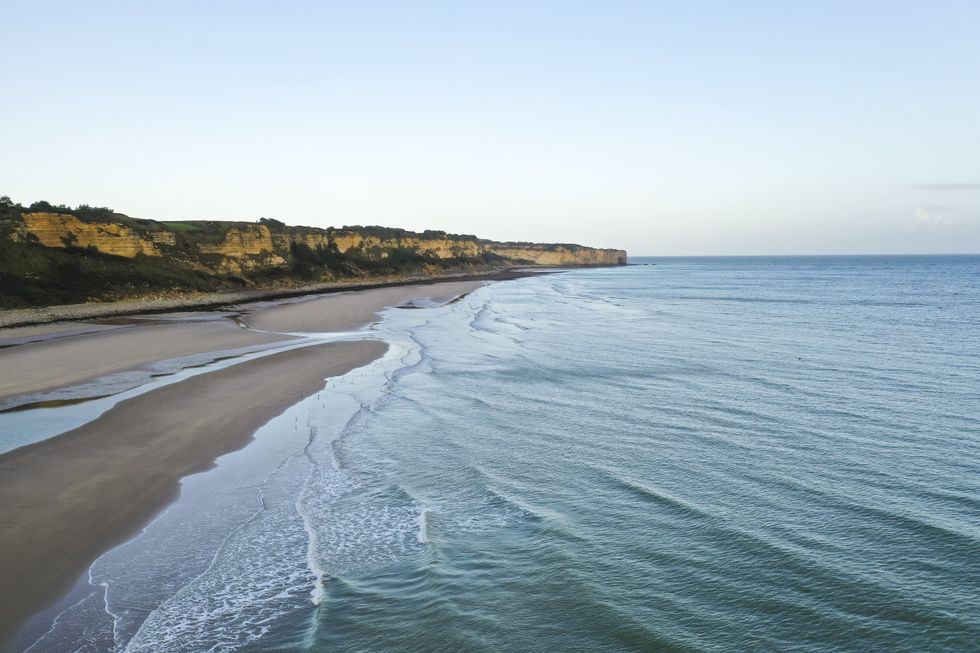
Omaha beach in Normandy is one of five beaches granted World Heritage status by Unesco
|GETTY
In a sign of reconciliation, Mr Morin gave his thoughts to the 435,000 soldiers killed or wounded in the Battle of Normandy - including 200,000 Germans.
He said he would ensure all panels highlighting D-Day landing beaches were of the same appearance and easily identifiable by uniting officials from 121 district councils around the site.
Unesco said the site "preserves significant remains of the German Atlantic Wall, including casemates, artillery batteries, fire‑control posts, and resistance nests, alongside battlefield traces, original wartime equipment, and major commemorative landscapes such as the American Cemetery at Colleville‑sur‑Mer".
"Together, these elements form an exceptional cultural landscape shaped both by the events of 1944 and by their enduring remembrance," it added.
COMMEMORATING D-DAY:
- God forbid we have to, but I believe future generations will stand up and be counted just like our forebears - Charlie Peters
- Pete Hegseth warns Europe must fight 'migrant invasion' in D-Day speech - 'Today beaches are stormed by different dangerous ideologies'
- ‘We had one purpose, free the world!’ D-Day veteran recalls brave service to GB News during commemorations
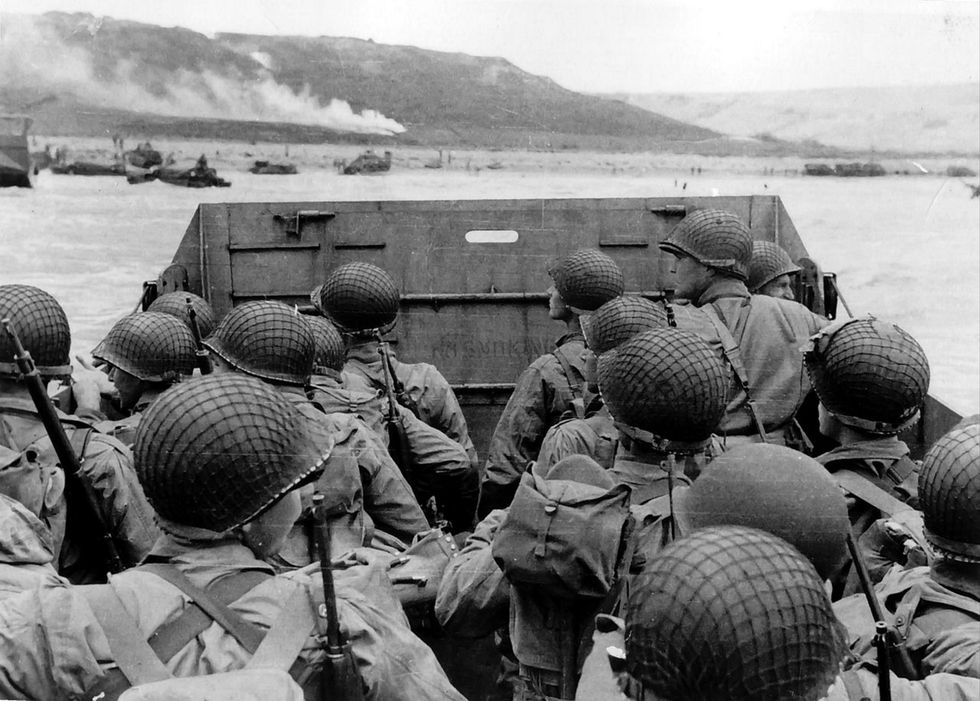
Herve Morin said the site would commemorate the '435,000 soldiers killed or wounded in the Battle of Normandy'
|GETTY
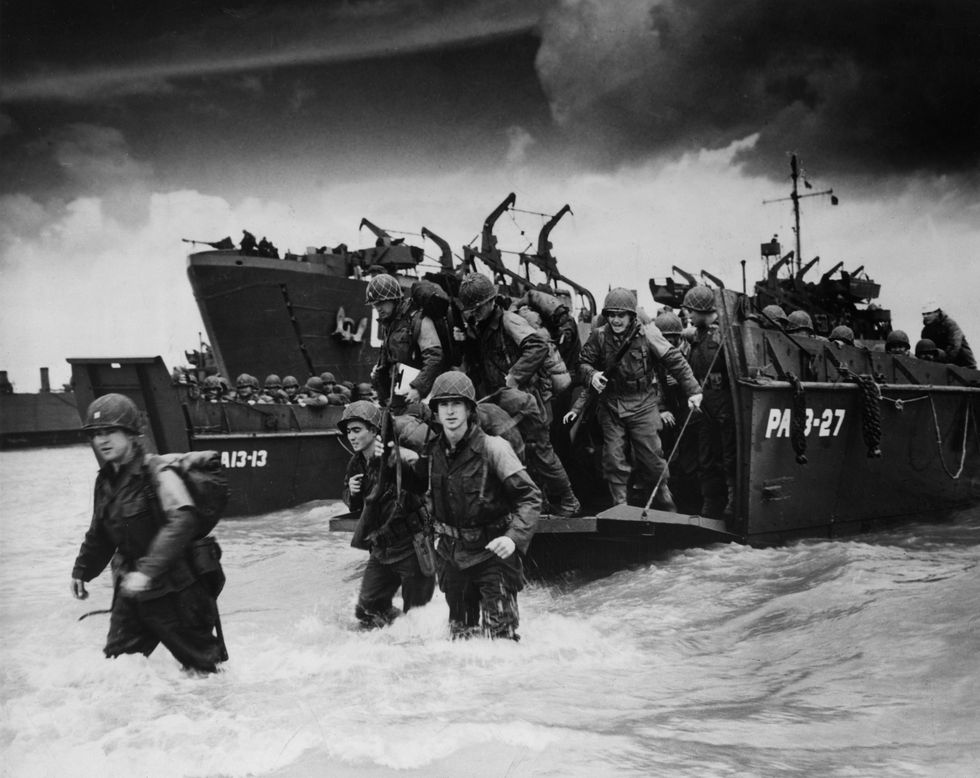
Unesco said the beaches were home to an 'exceptional cultural landscape shaped by the events of 1944'
|GETTY
The campaign in Normandy to recognise the Unesco sites first began in 2008.
A 500-page long formal application was made in 2014, but was rejected in 2018 because war sites were considered ineligible.
Hopes to make the beaches World Heritage sites were reignited after Unesco gave the designation to 139 First World War memorials and burial sites in France and Belgium, including British cemeteries.
Normandy Council said that 1.4 million people visited the Normandy American Cemetery overlooking Omaha Beach, 650,000 to the Pointe du Hoc visitor centre and 546,500 to the Germany military cemetery in La Cambe last year.
The World Heritage status follows the 82nd anniversary of the historic battle.
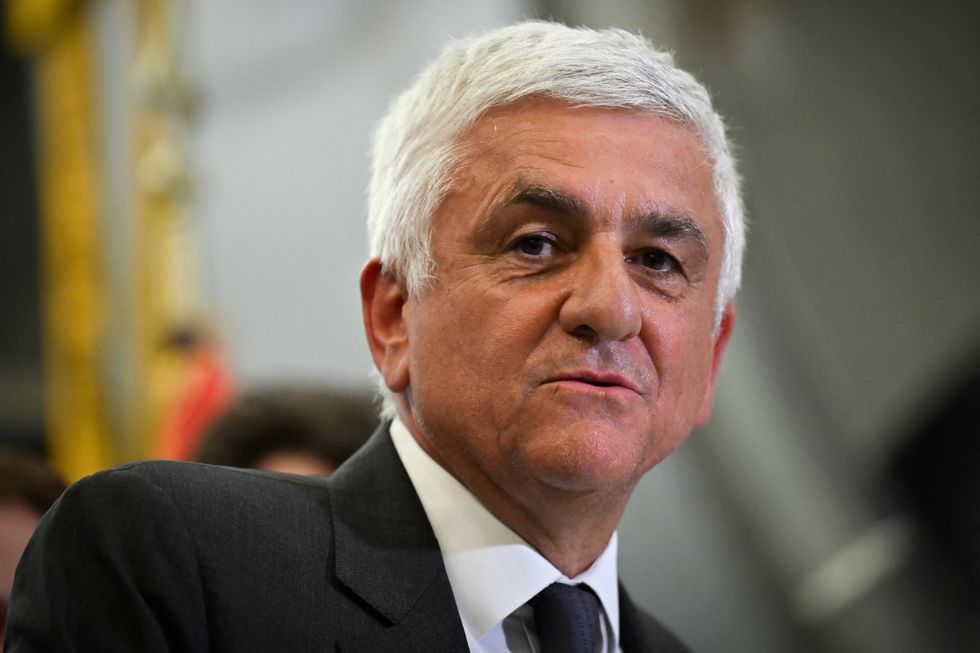
Herve Morin, leader of Normandy Council, said the beaches were 'universal places of remembrance'
|GETTY
Veterans gathered in northern France to mark the historic day, and held a moment of silence in remembrance of the thousands of Allied troops who died in the invasion.
In 2026, only six were able to attend the annual ceremony.
But one, Ken Hay, told GB News: "I don't know. It's a difficult question to answer. It's our duty to come back."
Pointing to the wall of names, he said: "To a lot of people, this is just a series of names and they are to us. But suddenly we come to a name and we knew that guy.
"These new 98 names on a wall. It's good that they are recognized today. It's their right to be here. They've got more right to be here than I have."