

You are about to be charged £0.00




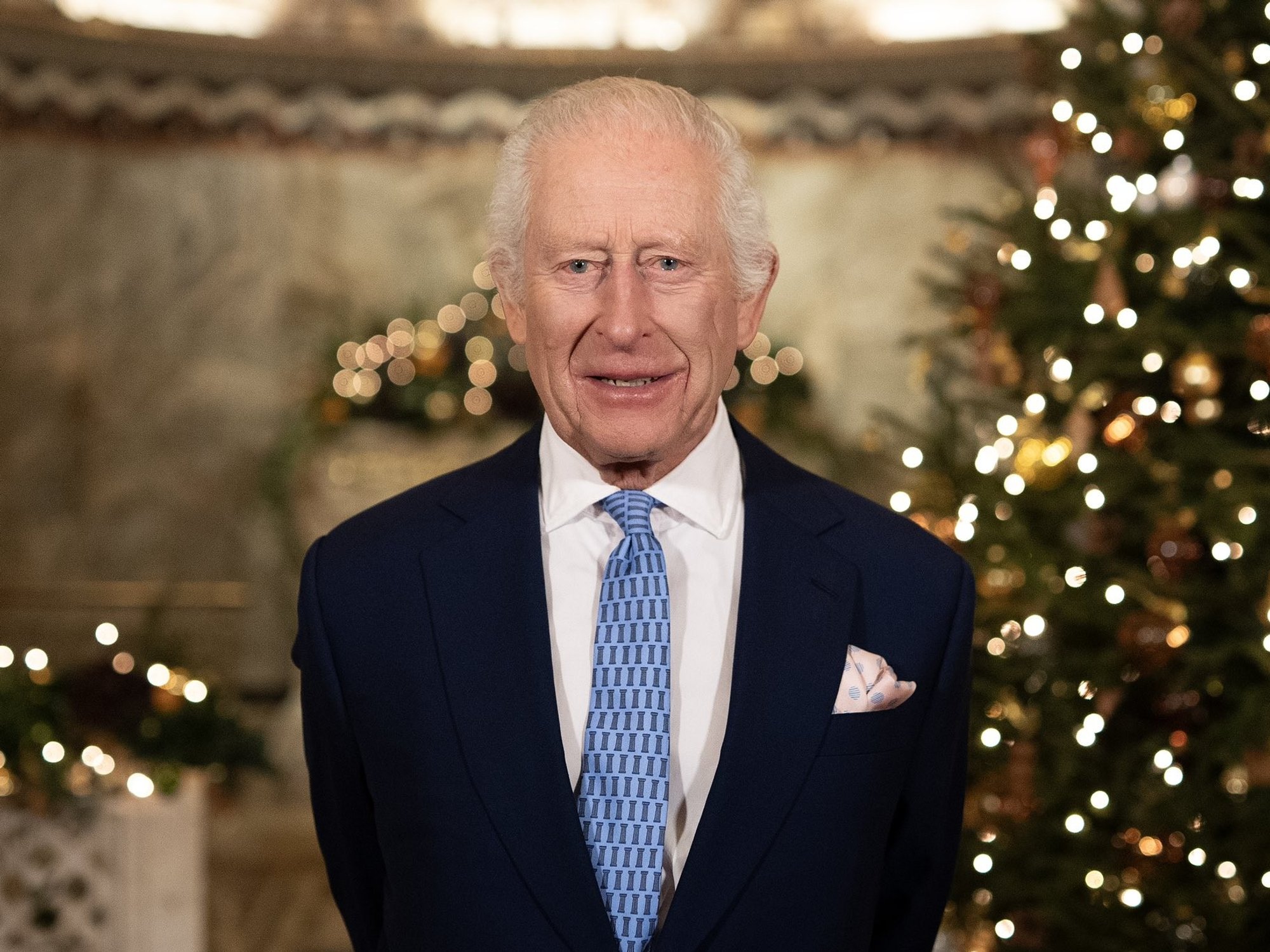

A Jamaican delegation will travel to Britain in September to present King Charles with an extraordinary petition seeking legal clarity on the nation's reparations claim.
Culture Minister Olivia Grange made the announcement before the Caribbean nation's Parliament, confirming the visit is scheduled for September 6.
Initially unveiled in June of last year, the petition requests that the King exercise his powers to seek legal counsel from the Privy Council's judicial committee - and, ultimately, hand over the cash.
The committee serves as the ultimate court of appeal for British Overseas Territories and certain Commonwealth nations.
Jamaica's petition poses three fundamental questions - whether forcibly transporting Africans to Jamaica was legal, whether this practice amounted to a crime against humanity, and whether Britain bears an obligation to compensate Jamaica for slavery and its lasting effects.
Ms Grange explained that the appeal is directed to King Charles "in his capacity as head of state of Jamaica and from whom we expect protection".
She said the Caribbean Community stands fully behind the initiative.
"We intend to petition King Charles on September 6 an historic day," the Jamaican minister said.
"On this date in 1781, the Zong slave ship departed West Africa for Jamaica with 442 enslaved Africans."

Ms Grange explained that the appeal is directed to King Charles 'in his capacity as head of state of Jamaica'
| PAThe minister recounted the vessel's voyage, during which the captain repeatedly cast slaves into the sea to file insurance claims for lost cargo.
Around 140 African slaves died in this manner before the ship reached Black River in December 1781.
Ms Grange also said that when Hurricane Melissa struck Black River last year, causing widespread destruction, a memorial honouring the dead Africans remained intact.
She described it as "the only monument standing as if to remind us of our duty to seek reparatory justice".
The minister also said there was "injustice" around emancipation in 1834, when plantation owners were given compensation for losing their "so-called 'property'".
KING CHARLES - READ THE LATEST:
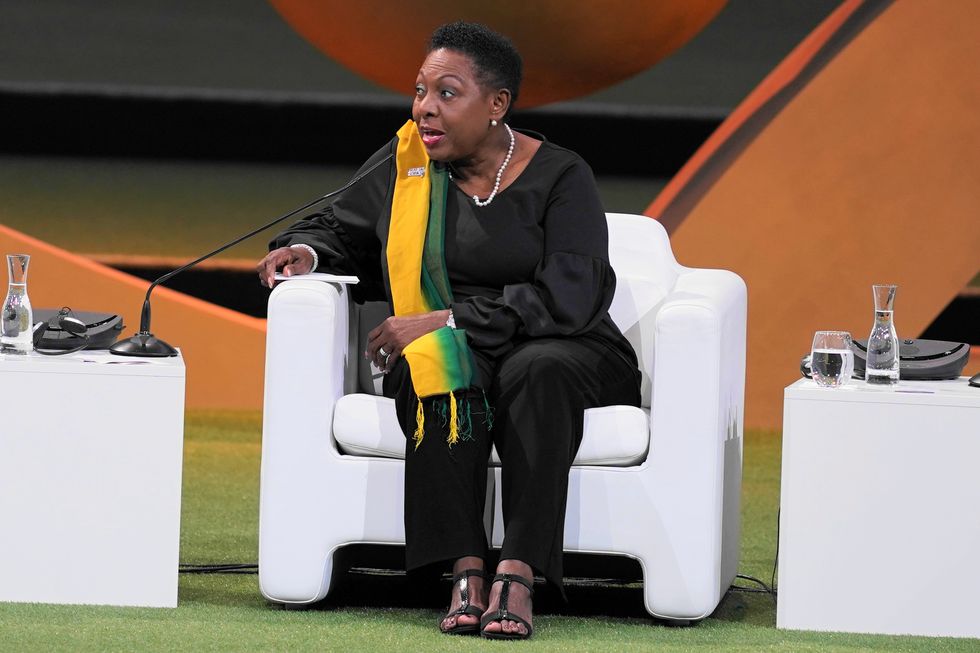
Culture minister Olivia Grange made the announcement before the Caribbean nation's parliament
|GETTY
Britain provided £20million through a loan that was only fully repaid in 2015.
Meanwhile, "newly emancipated Africans were forced to provide years of additional free labour to the planters, thereby literally paying their enslavers for their freedom," Ms Grange added.
Jamaica has already carried out reparations at home, offering an apology and transferring land to the country's Rastafarian community.
The Caribbean Community Reparations Commission recently published a new "manifesto" setting out the moral, ethical and legal arguments for compensation.
Laleta Davis Mattis, who chairs Jamaica's National Council on Reparations, called the petition filing "a significant milestone in our long pursuit of reparatory justice".
Jamaica has already undertaken domestic reparations to its Rastafarian Community
|GETTY
"This petition reflects the collaborative work of the NCR operating through its legal sub-committee, chaired by Bert Samuels, attorney-at-law, working alongside a team of UK lawyers," she told The Guardian.
Bert Samuels, the deputy chairman of the National Reparations Council, claimed that a UN resolution from March 25 now bolsters Jamaica's position.
That resolution declared the trafficking of enslaved Africans the gravest crime against humanity.
Mr Samuels confirmed he will join a legal team led by Attorney General Derrick McKoy to present arguments before the Privy Council on behalf of former slaves and their descendants.
Britain has maintained it will not pay slavery reparations and abstained from the UN vote, which Mr Samuels slammed as "shameful".
"We have learned from the 300-year struggle for freedom itself, which seemed unattainable when we were enslaved," he said.
"People who have been tied down for three centuries into slavery must have felt hopeless at times. So we are used to a struggle that seems hopeless at times."
Mr Samuels then claimed rejecting the petition would provoke global condemnation.
"The international avalanche of support for freedom and justice of oppressed people, of Jews who were oppressed, of the Japanese who were oppressed, of other persons in minorities in Canada and New Zealand, all those minorities have come together and have sought justice for themselves. Let us hear (the privy council) say no, and then we will take to the streets."