

You are about to be charged £0.00







The head of the Royal Navy has revealed what Vladimir Putin would do on the first day of a war against Britain.
Russia has been "probing Britain for weakness" and could destroy the nation;s transatlantic cables on day one of a conflict, First Sea Lord General Sir Gwyn Jenkins has warned in a chilling intervention.
In a private speech on Wednesday, Sir Gwyn, also the Chief of the Naval Staff, said the UK faced threats at a level not seen since the Cold War and "must strengthen its warfighting readiness".
He also called for a larger, more deadly and increasingly uncrewed "hybrid" navy, as first reported by The Times.
Moscow has been "probing, testing and mapping" on the seabed and forcing the Navy to monitor Mr Putin's notorious shadow fleet, he warned during his "Battle for the Atlantic" speech at the Department for Naval Research Symposium.
He said: "Critical undersea infrastructure is now part of the strategic landscape.
"The day that the UK declared war on Germany, the allies severed its transatlantic telegraph cables.
"I pray it does not happen, but were we to go to war again, we know our enemies will try to use the same playbook against us."
If Russia slashes the UK's undersea infrastructure, it would replicate Britain's own strategic actions in World War One.
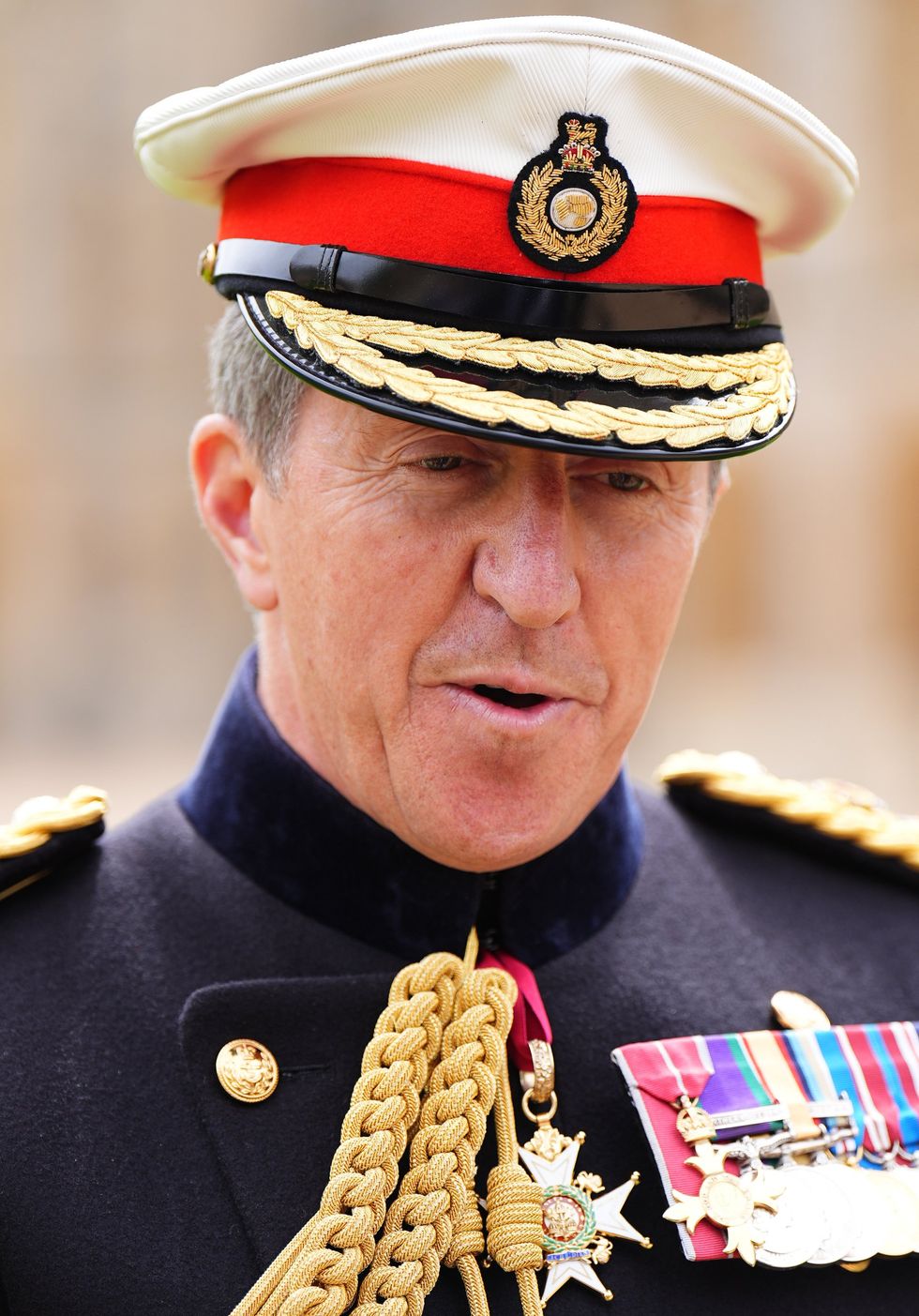
General Sir Gwyn Jenkins warned Russia would destroy Britain's transatlantic cables on the first day of a conflict
|PA
At the time the, the UK had the world's most advanced undersea telegraph cable system.
In one of the first acts of war, Britain cut Germany's cable connections, forcing them to rely on their long-range wireless stations.
Sir Gwyn continued: "Russia is probing us for weakness. And we are facing threats in a way we have not been since the Cold War.
"The greatest threat to our security today is Russia. That threat is felt most acutely in the maritime domain, in the North Atlantic, in the High North."
Just days ago, it emerged that Britain foiled a secret Russian military plot to disable "critical" undersea cables earlier this year.
LATEST ON THE RUSSIAN THREAT:
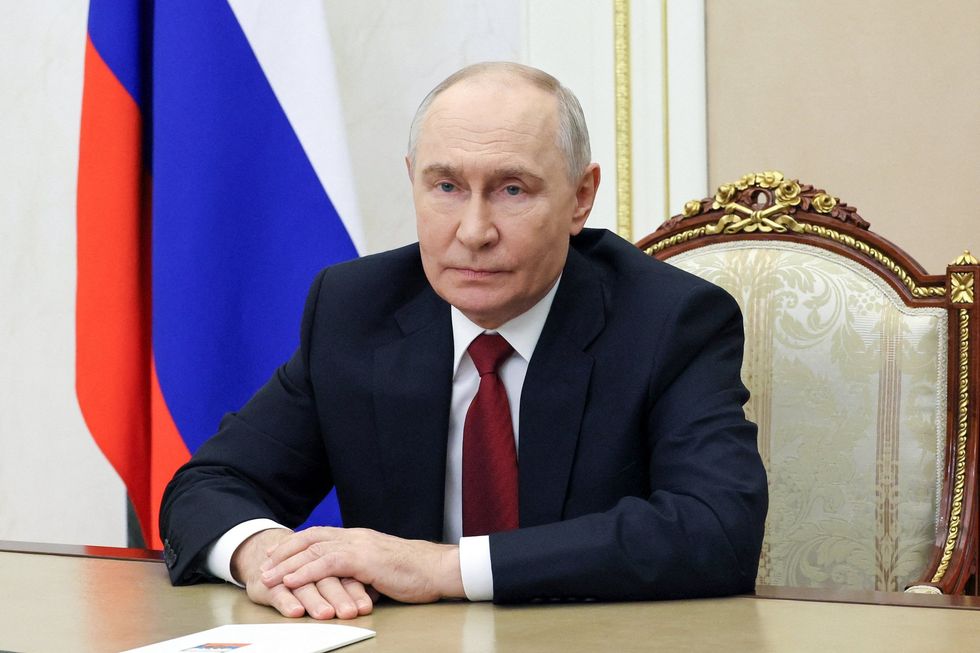
Vladimir Putin's forces have increasingly been probing for weakness, Sir Gwyn said
|REUTERS
Nato allies caught Russian submarines working on a secret weapon designed to disable vital undersea cable infrastructure near Svalbard, a remote Arctic archipelago which belongs to Norway.
Russia's advanced submarines are now "increasingly difficult to track", Sir Gwyn said, with the country in possession of specialist systems design to operate deep underwater.
He said: "It is increasingly active in our domain, and we are spending increasing amounts of time and resource monitoring Russian vessels and the shadow fleet.
"On average, two Royal Navy warships are now being deployed every week for this purpose.
"Russia is probing, testing and mapping. It seeks advantage in the grey zone, particularly around the critical undersea infrastructure on which modern societies rely.
"And among Ukraine's western allies, Russia considers us to be one of its greatest foes."
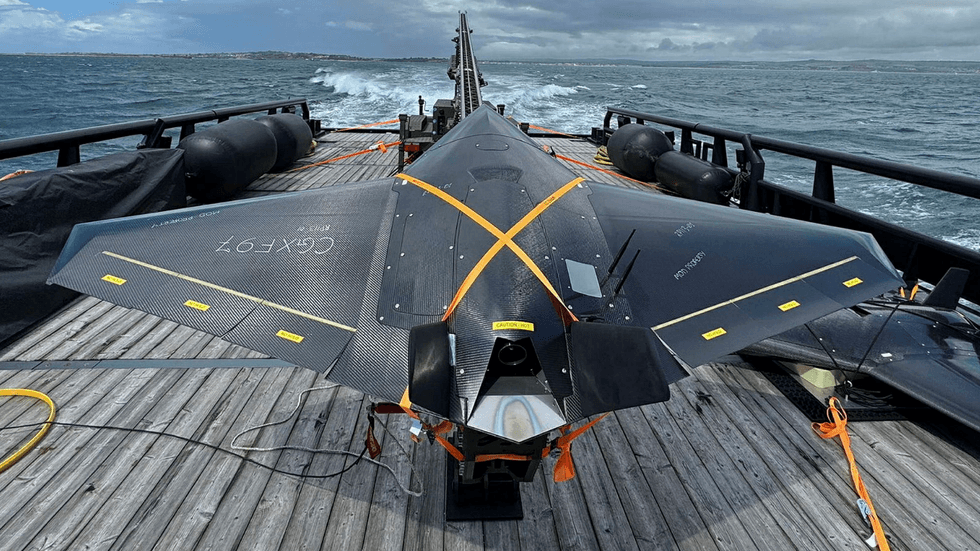
A new strike-capable drone was launched from sea earlier this year in a model of the hybrid navy model
| MINISTRY OF DEFENCEThe Royal Navy has been given at least £1.3billion towards the "hybrid Navy" concept, deploying a new strike-capable drone from sea for the first time earlier this year.
But questions remain around defence funding, with Sir Gwyn likely to need a major boost to fully reach his goals.
But in a blow to the Navy's preparations, Andy Burnham has delayed ordering new submarines for two years after previously pledging to build "up to 12" of the nuclear-powered undersea craft.
Tom Sharpe, the former Royal Navy commander, warned how the Government was engaged in a "can-kicking exercise" which had depleted Britain's defences as a result.
A Ministry of Defence spokesman said: "Our commitment to building up to 12 next-generation attack submarines, as set out in the DIP, is unchanged.
"A decision on exact numbers does not need to be taken at this stage, with no impact on the delivery schedule."