Thank you for subscribing!
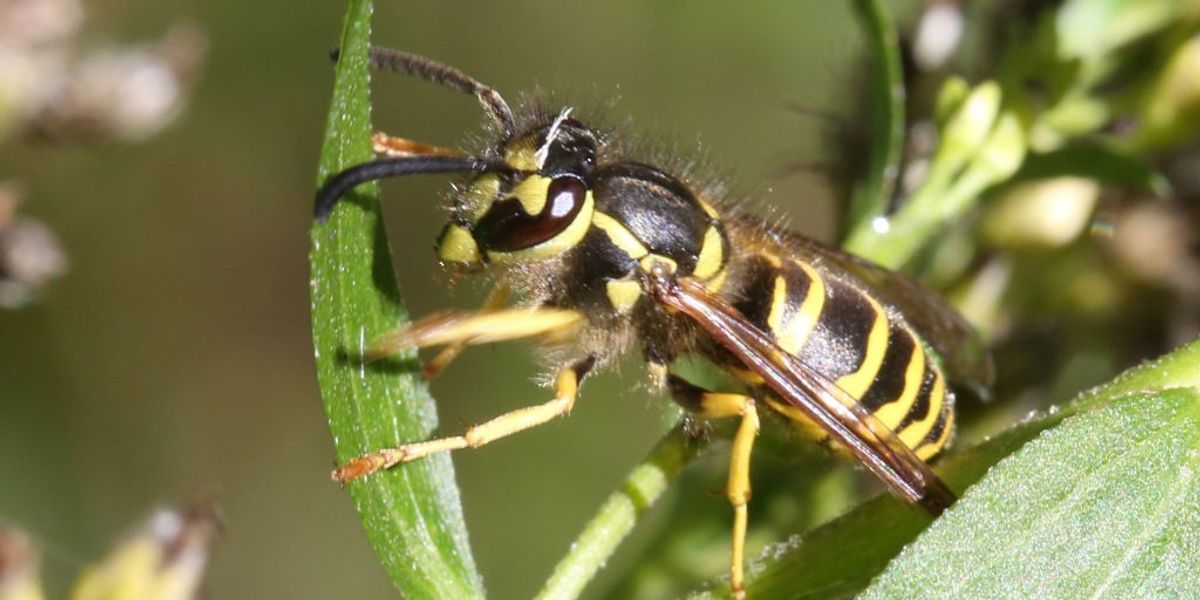
The wasps are said to be feasting on fermenting fruit, causing them to become intoxicated, and potentially more aggressive
Swarms of aggressive “drunk” wasps have been causing concern at a popular UK beauty spot, with residents urged to take extra care around the stinging insects.
The wasps in East Riding, Yorkshire, are said to be feasting on fermenting fruit, causing them to become intoxicated and potentially more aggressive.
The British Pest Control Association (BPCA) has warned residents and visitors not to disturb wasps or their nests, particularly in busy areas.
Natalie Bungay, head of membership and technical at the BPCA, said wasps play an important role in the environment and should generally be left alone.
“Like bees and hornets, wasps are pollinators and, where possible, are best left alone,” she said.
However, Ms Bungay advised residents to assess the risks if a nest is located in an area with a high volume of people.
Where removal is considered necessary, she recommended contacting a BPCA member for professional assistance.
The phenomenon of so-called “drunken wasps” is associated with the late summer months, when colonies undergo a change in behaviour.
As the queen stops producing eggs, worker wasps have less work to do within the nest and begin searching for sugary foods.
Rotting and fermenting fruit can provide an attractive source of sugar.
Ms Bungay said: “Wasps quickly get inebriated and this is typically when you can expect them to be more aggressive and likely to sting.”
The warning is particularly relevant to families with young children and elderly people, who can face a greater risk of complications if stung.
For people with severe allergies, a wasp sting can trigger anaphylaxis, a potentially life-threatening reaction requiring urgent medical attention.
Residents are being encouraged to dispose of household rubbish carefully, particularly waste containing sugary food, in an effort to reduce the number of wasps attracted to the area.
People encountering wasps have also been advised against swatting or aggressively waving them away.
Such movements can provoke the insects and increase the risk of being stung.
The unusual behaviour is not the first recent example of animals appearing to become intoxicated after eating or drinking fermented food naturally.
Earlier incidents involving “drunk” seagulls were reported in the Suffolk coastal towns of Lowestoft and Aldeburgh, where the birds were said to have become woozy after feeding on large numbers of flying ants.
Some of the affected gulls were reportedly seen stumbling and staggering into roads, causing disruption for motorists and raising concerns among local residents.
With late summer providing plentiful sources of fermenting fruit and other sugary foods, experts are urging people to remain alert around wasps, while allowing the insects to carry out their role as pollinators wherever possible.