Thank you for subscribing!
Providing more evidence of the dysfunctionality of the UK’s immigration system, a fresh investigation has revealed that British taxpayers have funded £35million worth of departure payments for over 20,000 migrants through the Government's assisted returns programme.
To put this into context, the UK Government recently committed to investing a smaller sum of £30million “to restore and create wildlife-rich habitats across England’s most iconic landscapes from the wilds of Dartmoor to the rugged Lake District”.
Under the assisted returns programme, the UK Government offers help to migrants to return to their country of origin if they no longer have permission to remain here. The formal term for this is ‘voluntary return’.
If migrants are eligible, the voluntary returns service explains options for migrants wishing to return home, offers them help with obtaining travel documents (such as a passport), and may even cover plane tickets.
Migrants may also be eligible to apply for financial support of up to £3,000 – using this to find somewhere to live, find employment or start up a business in their home country.
Migrants who may be eligible include those who have overstayed their visa or had an asylum claim rejected.
To put this £3,000 worth of financial support into perspective (in the middle of an ongoing cost of living crisis), a third of UK adults have less than £500 in emergency savings – leaving many British households heavily exposed to unexpected financial shocks.
According to the data, Brazilians make up the largest national group which has benefited from the government’s assisted returns programme, followed by Indians, Colombians, and Hondurans.
What will concern many is that some of the most prominent countries of origin associated with the small-boats emergency on the English south coast – such as Afghanistan, Eritrea, Sudan, Somalia, and Iran – do not rank highly at all when it comes to migrants using the UK Government’s voluntary returns service.
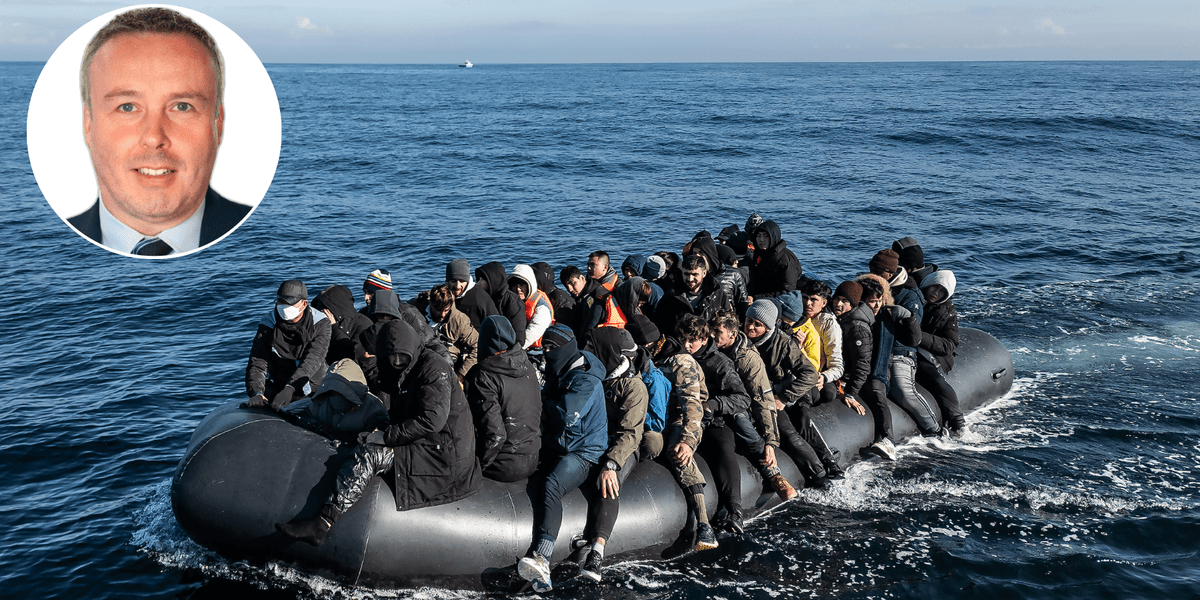
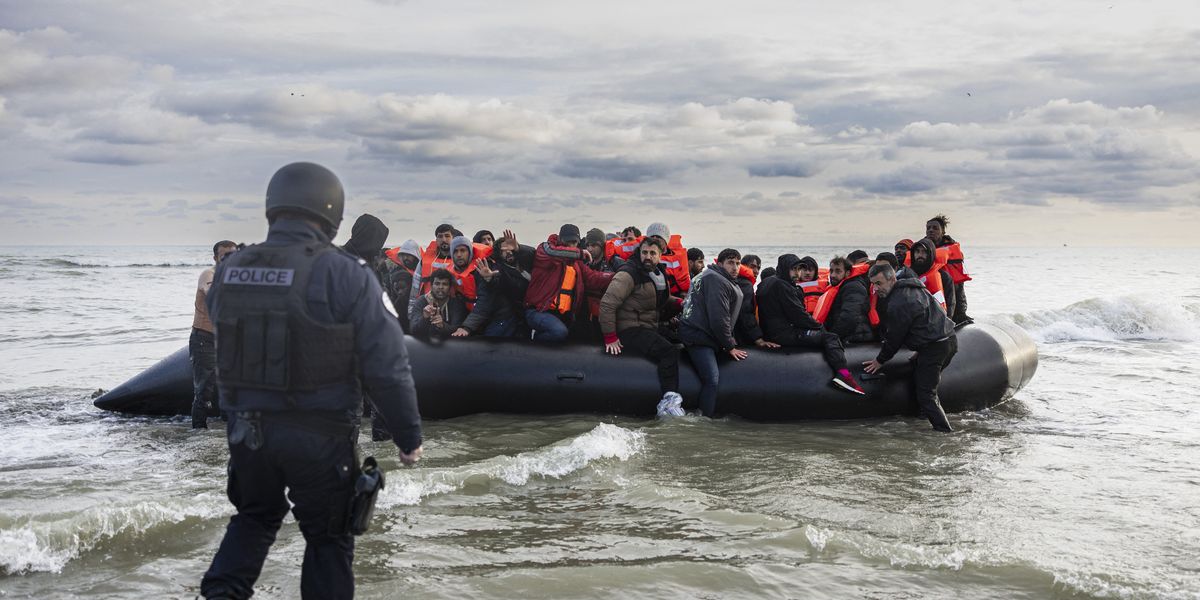
There is strong indication that the overwhelming majority of small-boat migrants - who have entered the UK without official permission - are not taking up the financial incentive to return to their homelands on a voluntary basis.
The voluntary return of migrants from the Americas and countries such as India achieves little to nothing in terms of how the small-boats crisis is placing considerable strain on the country’s social fabric – especially the degree to which it has undermined the public safety of British women and girls.
Neither will it do much in terms of neutralising the risk of further anti-immigration protests taking place, such as the disruption caused by demonstrators at the Port of Dover and Eastney Marina in Portsmouth.
The reality is that if the UK Government is serious about the swift large-scale removal of small-boat migrants, emergency ground-breaking legislation is needed to fundamentally reform our human-rights framework and migration partnerships need to be struck with some admittedly unsavoury regimes – including the Taliban in Afghanistan and the Afwerki dictatorship in Eritrea.
But if the British state is serious about prioritising the security of its own citizens, it simply cannot afford to shy away from making the tough choices.