Plenty of Labour figures do not sound keen on an early election, writes GB News' Political Editor
Whisper it quietly, but Westminster is gearing up for a general election, possibly as early as October this year.
Labour will deny it - of course - but the party will be weighing it up.
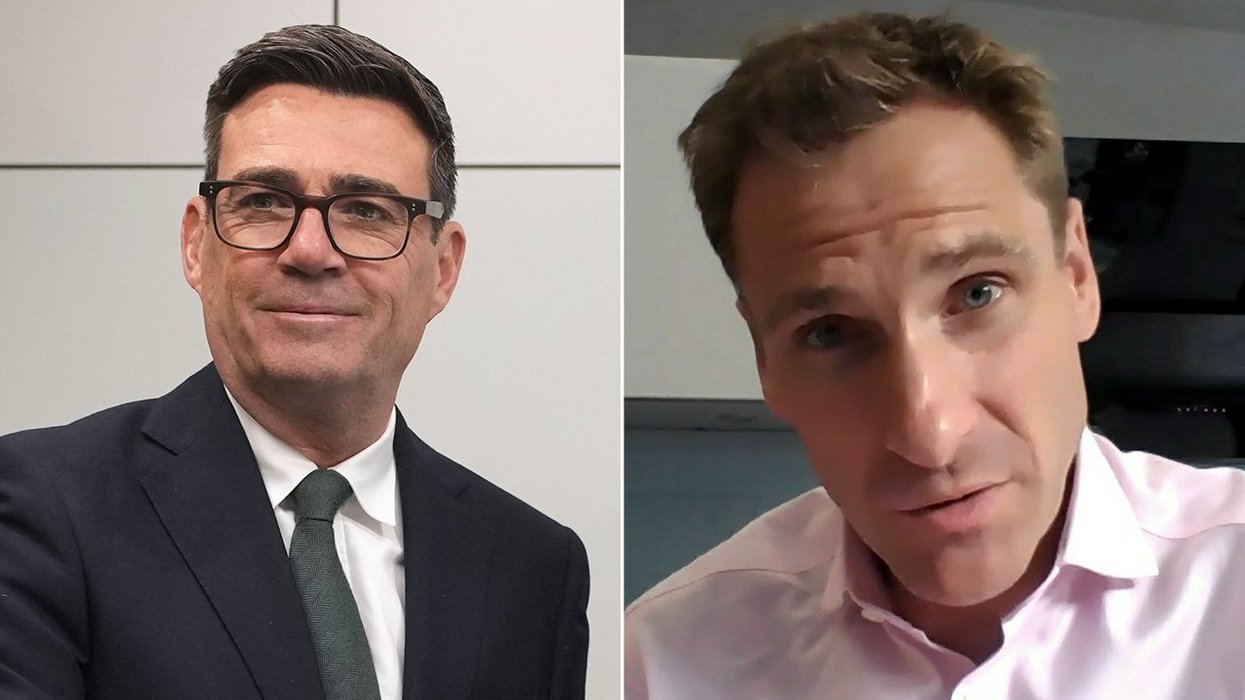
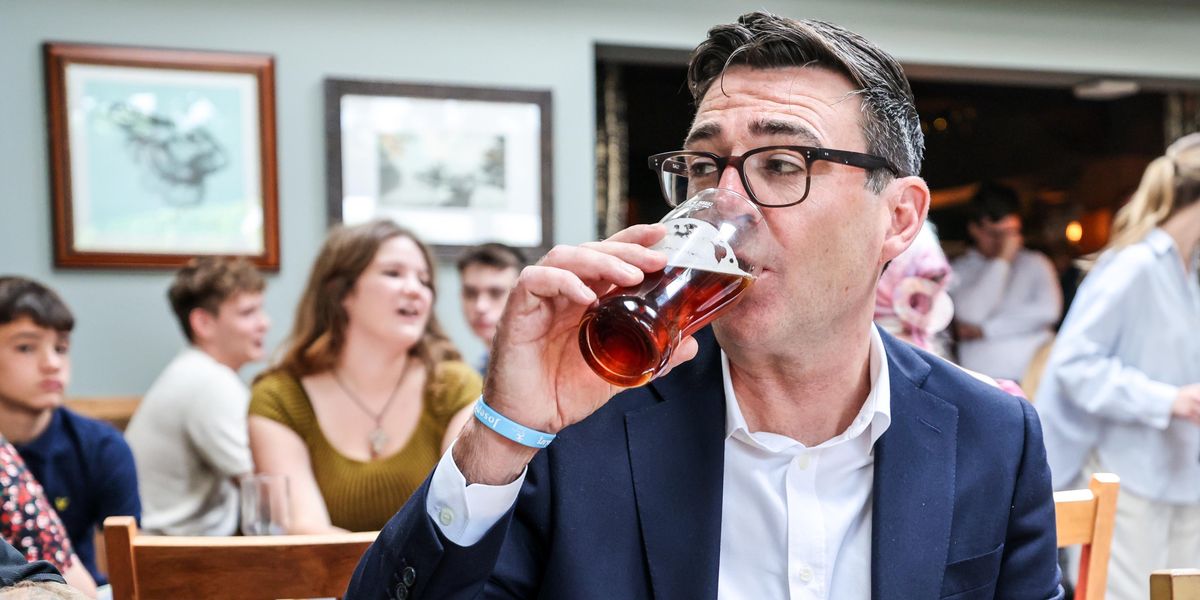
In theory of course, Andy Burnham, who replaced Sir Keir Starmer as Prime Minister on Monday, can wait until mid-2029 to face the country again at a general election.
Yet equally he will know that he is unlikely ever to be as popular again, or have a better chance of securing a second Labour term, than going to the country in the next few months.
And all of the indicators for an early election are slowly dropping into place. Mr Burnham hinted as much when he said on the step of 10 Downing Street: "Later this year, I will bring forward a new plan for Britain, a 10-year plan, laying out a path from where we are now to where I believe we all want Britain to be, wherever we’re coming from, whatever party we support."
A 10-year plan later this year? That's two Parliaments of five years each, and would need a couple of general election victories to deliver.
Already Mr Burnham finds himself bound by 37 Bills and draft Bills announced in the King's Speech in May, many of which he will want to ditch and pursue his own agenda.
He could prorogue Parliament in October and have another King's Speech. But if he is going to do that, why not go to the country with a fresh mandate for the change he wants to see happen?
There is still so much we do not know about Mr Burnham's plans, notably on how he will tackle illegal and legal immigration.
Yet some of the cost of living policies announced this week are set to come in next year, like the cut in bus fares from £3 to £2 comes in on Jan 1, after the date of an Autumn election.
Mr Burnham has also avoided a difficult September by putting on hold plans to release thousands of offenders after serving just half their time in prison which were set to cause a huge row when they started in the first week of September.
And look at the polling: Labour is now neck and neck with Reform UK. And Mr Burnham himself has received a startling 13 per cent bump in his personal poll rating, against falls of 22 per cent each for Reform leader Nigel Farage and Greens' leader Zack Polanski.
Plenty of Labour figures do not sound keen on an early election, notably both Jonathan Reynolds, now Mr Burnham's Business secretary, and Melanie Onn, a member of the party's ruling National Executive Committee, who I interviewed on GB News last Friday, minutes after Mr Burnham was crowned Labour leader.
Labour MPs will know that an early election will at best see the party returned with a reduced majority, kicking some of their colleagues out of Parliament after just a couple of years.
Yet if Mr Burnham wants to deliver on what he has described as the biggest change for 40 years, with a mooted overhaul of social care, a new council house building programme and taking some privatised businesses into state control, he will need a new mandate to do so.
One Tory MP told me there was a 25 per cent chance of a general election this Autumn. It might be a small chance - but it is enough to force parties to start to get their houses in order for an early election.
For me, I think it is still likely that Mr Burnham waits until next year - May or October - to call the general election. But the drumbeat of pressure for a poll this Autumn is getting louder, and can no longer be ignored.