Thank you for subscribing!
The Prime Minister is not expected to implement any changes to benefits in the upcoming Autumn Budget
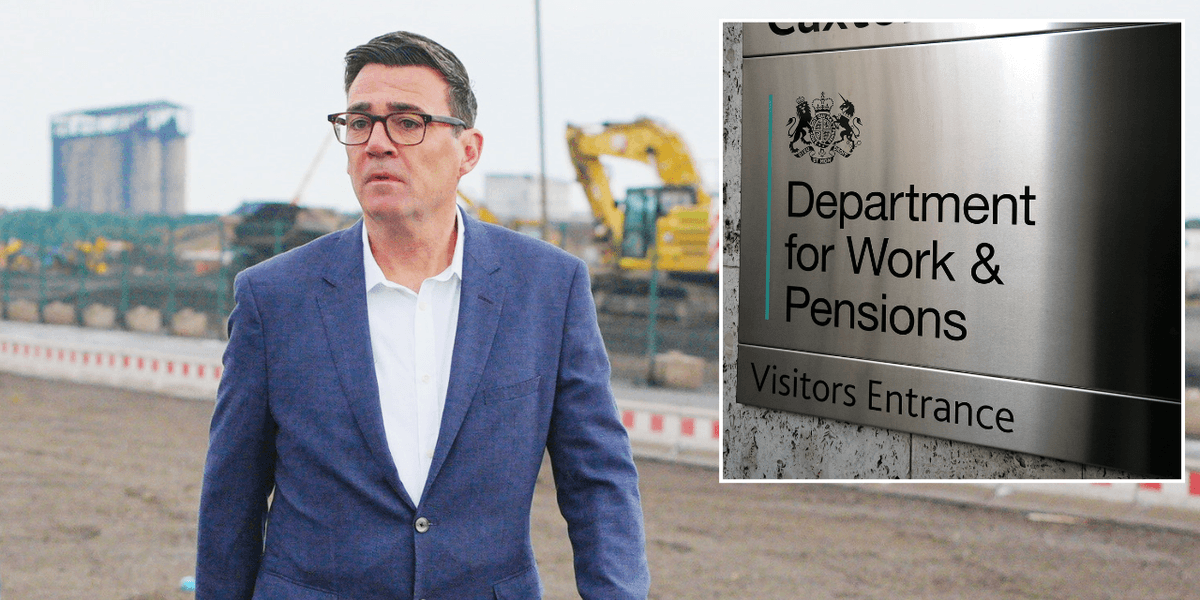
Long-awaited reform of the welfare system in Britain might be delayed until next year, as Andy Burnham can only tackle "one big issue at a time".
The Prime Minister is not expected to implement any changes to benefits in the upcoming Autumn Budget, and will instead wait until the new year, according to the Telegraph.
A senior Government source told the newspaper that Mr Burnham could sort only “one big issue at a time”, and that his immediate focus was to fill a scorching £4.7bn black hole in the defence budget left by Sir Keir Starmer.
Recently appointed Chancellor John Healey will deliver the Budget on October 28 - described by the Prime Minister's team as a “defence budget”, rather than an attempt to fix the ballooning cost of benefits.
Two reviews of the welfare state were conducted by Sir Stephen Timms, the equalities minister, and Alan Milburn, the former New Labour cabinet minister - which No10 are still waiting on.
Mr Milburn’s review was intended to be published next month, but will now be delivered in October after Labour’s annual conference.
Ministers will then take time to respond to the reviews and consult on changes to benefits provision, before bringing forward plans that would take months to clear Parliament.
Before taking office last month, Mr Burnham said he was “concerned with getting the welfare bill down”, adding that it was “how you do it” that would be controversial in Westminster.
He is also under pressure to speed up welfare reform amid warnings that the current system will cost a staggering £408.6bn, or 11 per cent of GDP, by 2030-31.
The problem lands his his lap after sitting with Sir Keir Starmer beforehand, whose botched attempt at reducing disability allowances and in-work benefits were abandoned after a rebellion from Labour MPs last summer.
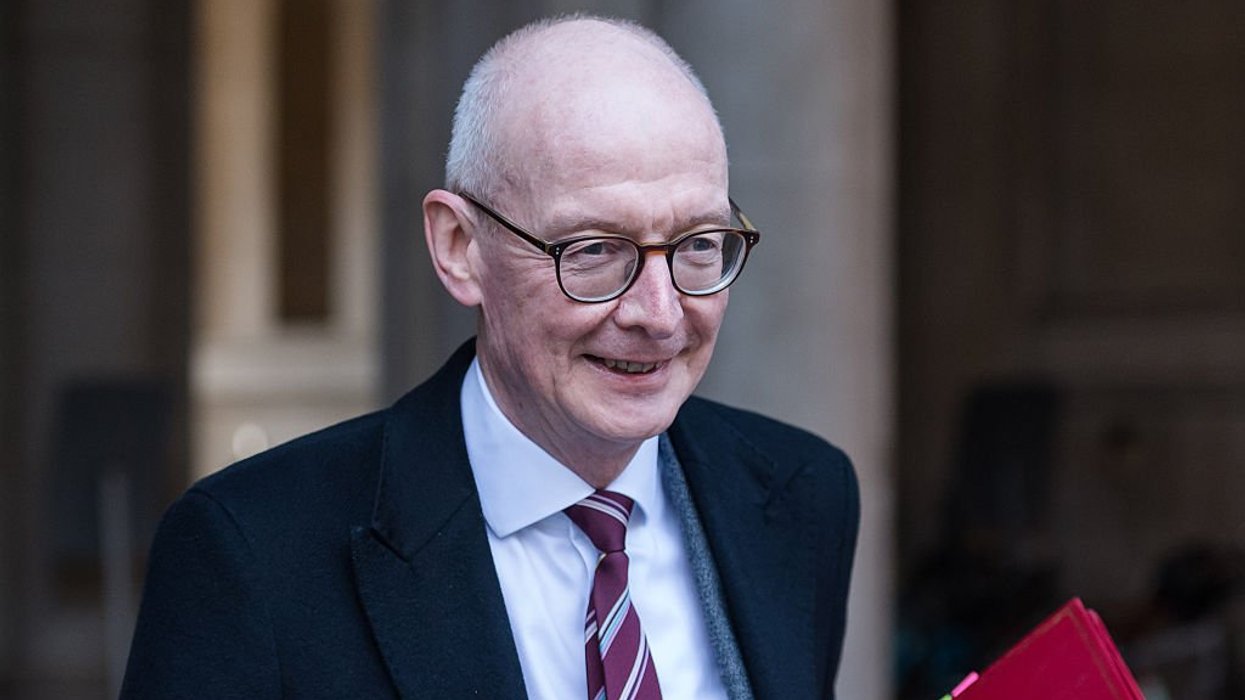
Work and Pensions Secretary Pat McFadden has pressed ahead with a series of measures under Labour’s Youth Jobs Guarantee, as ministers seek to prevent rising levels of unemployment among young people.
Mr McFadden has made boosting youth employment a key priority, warning that the number of young people who are not in education, employment or training (Neets) remains “too high”.
He described the situation as both a “terrible human cost” and a significant financial burden on the country.
Under the scheme, employers are being offered greater incentives to recruit apprentices, while the Government has committed to helping young people into jobs once they have spent 18 months out of work and claiming Universal Credit.
However, any wider overhaul of the welfare system is likely to prove more complicated, as large parts of the benefits system, including Personal Independence Payment for people in work, are set out in legislation and cannot be changed without parliamentary approval.
Downing Street is understood to be looking towards next year for legislation to reshape parts of the system, following advice expected from Sir Stephen and Mr Milburn this autumn.
Welfare reform is also expected to form part of Mr Burnham’s forthcoming “10-year plan”, which is due to be unveiled later this year.
Much of the detail, however, is not expected to be made public until January at the earliest.
The Prime Minister argued that the scale of change required is something “the Whitehall system can’t really make”.
Dame Meg Hillier, who emerged as one of the leading figures in last year’s rebellion, described an interim version of Mr Milburn’s report, released in May, as a “game changer”, arguing that the mood within the parliamentary party was now “worlds apart” from the hostility that greeted Sir Keir’s proposed welfare cuts.