Thank you for subscribing!
'There was a minimal exchange of information of zero consequence and it was quickly reported', the Prime Minister said
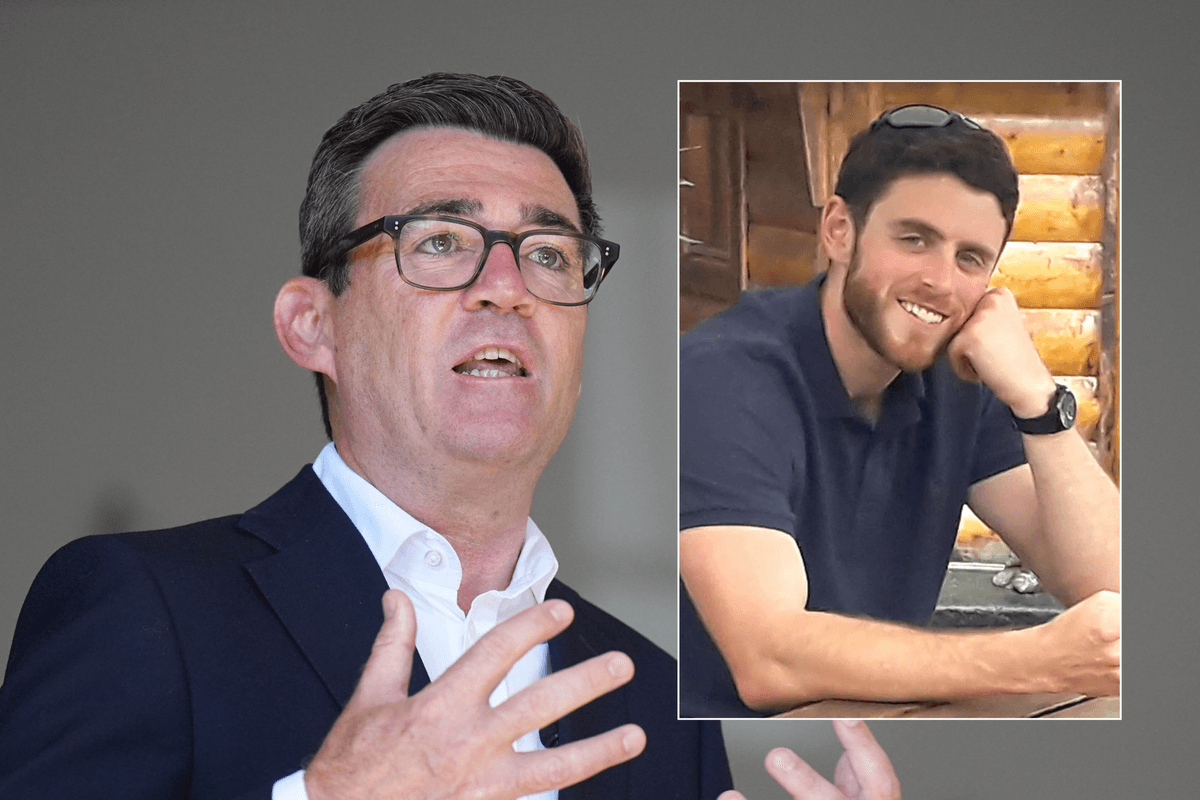
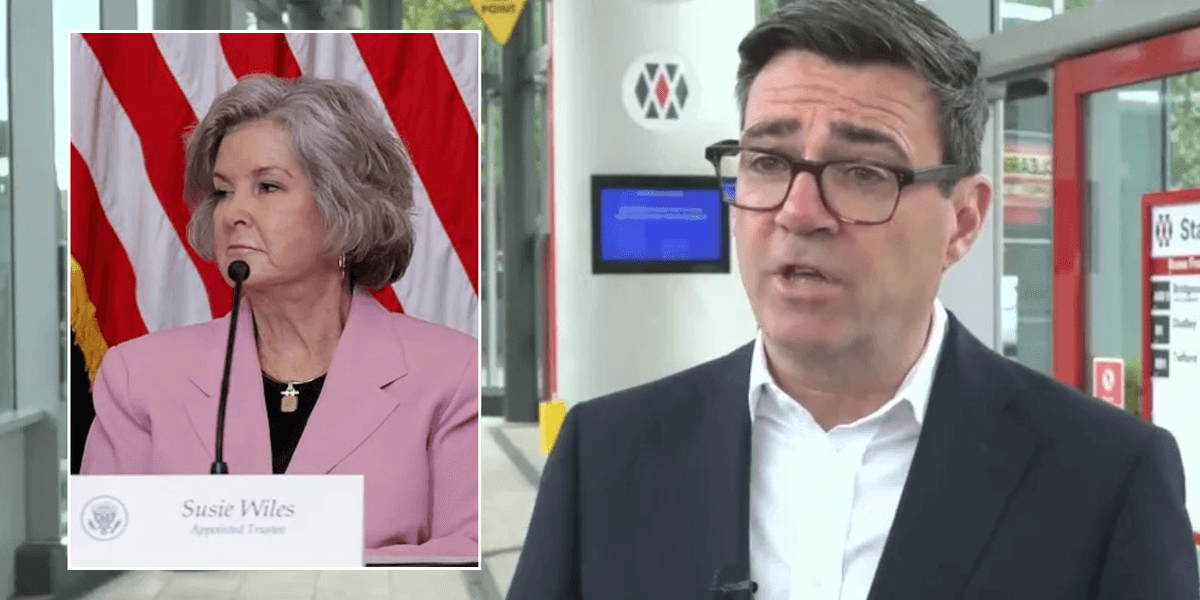
Andy Burnham has stood by his response to a hoax phone call from an imposter claiming to be White House Chief of Staff Susie Wiles.
The Prime Minister was in contact with an unknown individual pretending to be the key ally of President Donald Trump, but he became suspicious after several messages and reported the incident.
Officials were so concerned, the British embassy in Washington raised the matter with the White House directly, reports Politico.
Asked by broadcasters if he was embarrassed by the contact, the Prime Minister said: "No, I’m not, because there was a minimal exchange, nothing of consequence, and actually, quickly I realised that this needed to be reported, and I did so."
Speaking from Wolverhampton Bus Station, Mr Burnham added: "So I handled it in the right way. All politicians are receiving these pressures and these challenges, but I did everything right.
"There was a minimal exchange of information of zero consequence, and it was quickly reported."
Asked what action had been taken to find out who had impersonated Mrs Wiles, the Prime Minister said: "The correct action has been taken here and in the US.”
The Liberal Democrats are calling on Parliament's Intelligence and Security Committee to investigate how someone was able to communicate directly with Andy Burnham, describing the ordeal as an "egregious security breach".
James MacLeary MP, the party's defence spokesman, said it "beggars belief that a malign actor posing as the White House chief of staff could reach our prime minister so easily over text message".
In a letter to Lord Beamish, the chair of ISC, he wrote: "This is an unacceptable breach. The security of the prime minister's communications ought to be an absolute priority - and yet it appears, in this case, that routine measures to guard against these kinds of breaches were not followed.
"We need to understand how this breach could occur, or else risk it being repeated."
He called for the committee to investigate the "egregious security breach" or, if not, for it to be referred to the ongoing review into the use of non-corporate communications channels.
Reports of the exchange of messages first emerged yesterday, with the British embassy in Washington so concerned it raised the matter with the White House.
Ms Wiles' phone had previously been hacked, according to reports from America, but a US official told Politico the incident involving Mr Burnham was not related to this.
Mr Trump later appeared not to be aware of the incident, saying to reporters at the White House about Mr Burnham: “I’m sure that he had a miscommunication."
In the fallout of the hoax call, the personal mobile phone number of Defence Secretary Wes Streeting and two other colleagues were also discovered published online, in what experts have described as an alarming "security risk".
Politico found published personal phone numbers for Mr Streeting, Justice Secretary Alex Norris and Northern Ireland Secretary Chris Bryant.
The reference to Mr Streeting’s number online has since been deleted, with officials working to remove the other two, according to reports.
A Government spokesman said: “The Government has robust procedures in place to ensure the security of sensitive information."
Commentators have said that having direct numbers for Cabinet ministers in the public domain is a risk, warning that numbers could be spoofed and used to call others.